
For Neda (2010)
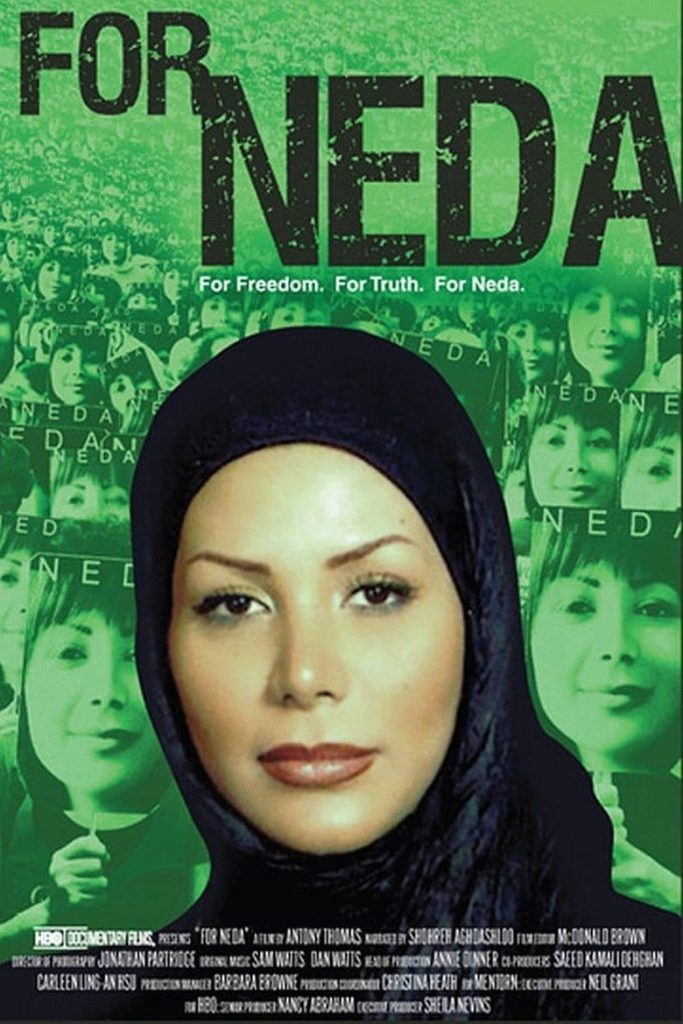
Story overview
This documentary chronicles the tragic death of Neda Agha-Soltan, a young Iranian woman killed during post-election protests in Tehran in 2009. Through personal footage and interviews with family and friends, it explores her life, the political context of her death, and how her final moments captured on video became a global symbol of protest. The film addresses themes of political oppression, loss, and the power of citizen journalism.
Parent Guide
This documentary contains intensely disturbing real-world content including graphic footage of a fatal shooting. It deals with mature political themes and traumatic loss. Not appropriate for children or young teens without careful parental consideration.
Content breakdown
Contains actual cell phone footage of Neda Agha-Soltan being shot and dying on the street. Shows blood, medical attempts to save her, and her final moments. The violence is real, not simulated, which makes it particularly impactful and disturbing.
Extremely disturbing content including real death footage, grieving family members, and discussions of political oppression. The knowledge that this happened to a real person in recent history adds to the emotional impact. May cause significant distress, especially for sensitive viewers.
No notable strong language in the documentary narration or interviews. Some political terminology related to protests and oppression.
No sexual content or nudity present.
No depiction of substance use.
High emotional intensity throughout. Deals with grief, injustice, political trauma, and mortality. Family interviews are particularly emotional. The real footage of death creates profound emotional impact that may linger with viewers.
Parent tips
This documentary contains graphic real footage of a fatal shooting and its aftermath, which may be deeply disturbing. It deals with mature themes of political violence, death, and grief. Parents should preview the film and consider their child's emotional maturity before viewing. The content is best suited for older teens who can process complex political contexts and traumatic imagery with guidance.
Parent chat guide
Parent follow-up questions
—
—
—
- What did you know about Iran's political situation before watching this film?
- How did the real footage affect you differently than fictional violence in movies?
- Why do you think Neda's death became such an international symbol?
- What responsibilities do people have when sharing disturbing real-world content online?
- How can we honor victims of political violence while protecting our emotional well-being?
🎭 Story Kernel
The film's core expression isn't about Neda Agha-Soltan's death, but about the transformation of a personal tragedy into a public symbol. It explores how a single, horrifically captured moment of violence against an ordinary bystander during Iran's 2009 election protests shattered the regime's narrative of control and galvanized a movement. The driving force is the collision between the intimate—Neda as a daughter, a student, a music lover—and the political, showing how her identity was subsumed by the iconography of resistance, making her 'the voice of the Iranian people' in death in a way she never was in life.
🎬 Visual Aesthetics
The visual language is defined by stark juxtaposition. Grainy, shaky cellphone footage of the chaotic protest and Neda's final moments—characterized by a brutal, unflinching stillness as she bleeds out—contrasts sharply with polished, serene home video and photographs of her earlier life. This creates a visceral tension between private memory and public evidence. The dominant color palette moves from the warm, personal tones of family life to the cold, concrete grays and the shocking, vivid red of her blood, which becomes the film's central, unavoidable visual motif.
🔍 Details & Easter Eggs
💡 Behind the Scenes
The documentary, directed by Antony Thomas, faced significant challenges in production due to the sensitivity of the subject. Key footage, including the infamous cellphone video of Neda's death filmed by a doctor on the scene, was smuggled out of Iran. The film crew could not film inside Iran and relied heavily on clandestinely provided material from citizen journalists and activists. Much of the interview content with Neda's family and friends was conducted remotely or in secret, with identities often protected. The score was composed by Richard Harvey, who aimed to create a soundscape that reflected both Persian musical tradition and a sense of profound loss.
Where to watch
Choose region:
- HBO Max
- HBO Max Amazon Channel
- Amazon Video
- Apple TV Store
- Google Play Movies
- YouTube
Trailer
Trailer playback is unavailable in your region.