
Forensic (2020)
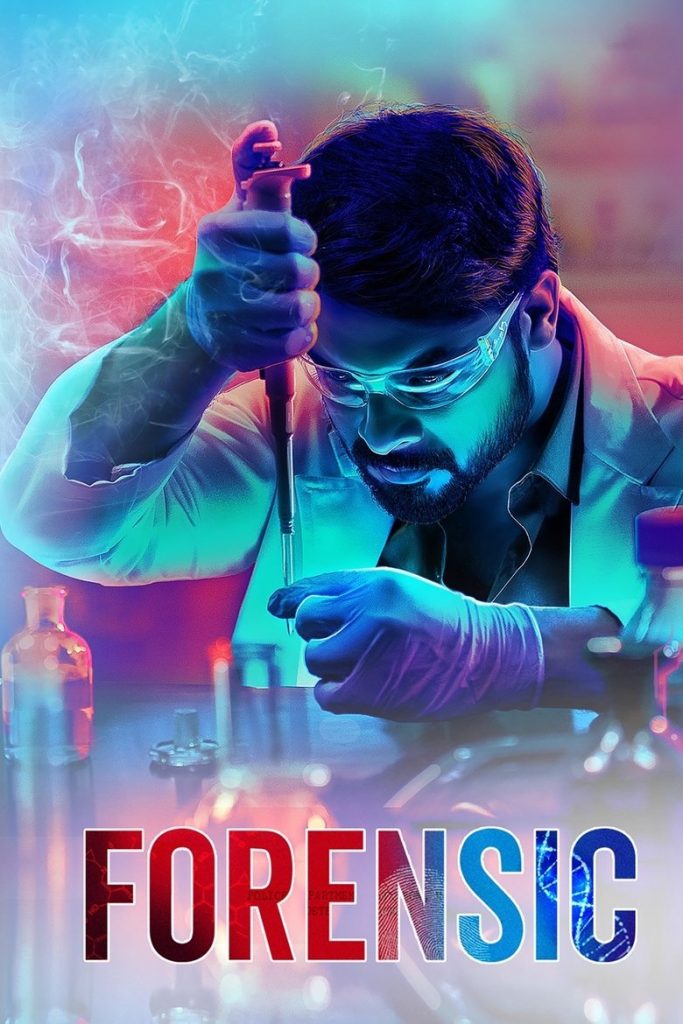
Story overview
A forensic analyst and a police officer team up to solve a cold case involving a serial killer, using scientific methods and investigation techniques to uncover the truth.
Parent Guide
A suspenseful crime thriller focused on forensic investigation of serial killings, suitable for teens and adults due to thematic intensity.
Content breakdown
Includes crime scene investigations, discussions of murders, and suspenseful chase scenes. Violence is mostly implied or shown forensically rather than graphically.
Themes of serial killing and cold cases may be disturbing. Crime scene details and suspenseful moments create tension.
May include occasional strong language related to crime investigation, but not excessive.
No sexual content or nudity reported; focus is on crime investigation.
No substance use depicted; characters are focused on professional investigation.
High suspense and emotional investment in solving the case, with tense moments throughout.
Parent tips
This crime thriller involves forensic investigation of murders, which may include crime scene details and discussions of violence. Best for older children who can handle suspenseful themes.
Parent chat guide
Parent follow-up questions
—
- What tools do forensic scientists use?
- Why is it important to solve crimes?
- How does forensic evidence help catch criminals?
- What makes this case 'cold' and challenging?
- What ethical considerations arise in forensic investigations?
- How does the movie portray the psychological aspects of crime solving?
🎭 Story Kernel
At its core, 'Forensic' explores the tension between clinical objectivity and emotional truth. The film's real driver isn't the serial killer plot, but protagonist Samuel's struggle to maintain scientific detachment while his personal trauma mirrors the case. His methodical approach becomes both his greatest asset and his psychological prison. The narrative suggests that pure logic can solve crimes but cannot heal wounds, creating a protagonist who's more emotionally forensic with himself than with evidence. This internal conflict elevates what could be standard procedural material into a character study about compartmentalization.
🎬 Visual Aesthetics
The cinematography employs a desaturated, clinical palette dominated by blues and sterile whites, mirroring the forensic lab environment. Handheld shots during crime scene investigations create visceral immediacy, while static, composed frames in lab sequences emphasize scientific precision. Blood appears almost artificially bright against muted backgrounds, visually highlighting evidence while desensitizing violence. The camera often lingers on procedural details—gloved hands, evidence bags, microscope views—making the forensic process itself a character. This visual language reinforces the film's theme of finding truth through meticulous observation rather than dramatic revelation.
🔍 Details & Easter Eggs
💡 Behind the Scenes
Lead actor Tovino Thomas reportedly shadowed real forensic experts for two weeks, learning proper evidence handling techniques that appear in close-up shots. The forensic lab set was meticulously researched, with consultants ensuring equipment authenticity. Several exterior scenes were shot at actual Kerala police facilities, lending documentary realism. The film's technical advisor was a retired forensic specialist who corrected procedural inaccuracies in early scripts. Interestingly, some blood spatter analysis scenes used digital enhancement of actual forensic demonstration videos for accuracy.
Where to watch
Choose region:
- Netflix
- aha
- Netflix Standard with Ads
- Apple TV Store
- Google Play Movies
- YouTube