
Forgotten Love (2023)
Story overview
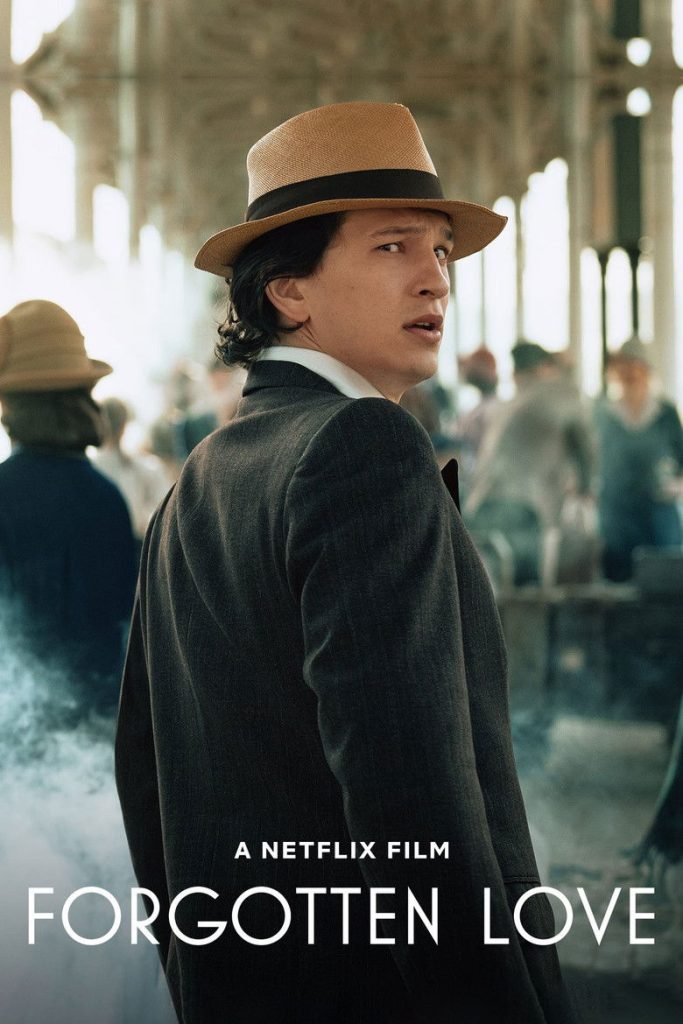
Forgotten Love is a 2023 drama and romance film rated TV-MA. The story explores themes of memory, relationships, and emotional rediscovery. It follows characters navigating complex personal journeys and the challenges of reconnecting with lost aspects of their lives. The narrative emphasizes emotional depth and character development within a romantic framework.
Parent Guide
TV-MA rated drama/romance with mature themes requiring parental guidance for viewers under 17.
Content breakdown
May contain emotional tension or relationship conflicts typical of drama genres.
Could include emotionally intense scenes or difficult relationship situations.
TV-MA rating suggests potential for strong language.
TV-MA rating may indicate romantic or sexual situations.
Possible social drinking or adult situations typical in drama films.
Explores deep emotional themes and complex relationship dynamics.
Parent tips
This TV-MA rated drama/romance film contains mature themes suitable for older audiences. Parents should preview the content to determine appropriateness for their family. The rating suggests material may be unsuitable for children under 17 without parental guidance.
Consider the emotional maturity of your children before viewing, as the film deals with adult relationship dynamics and potentially intense emotional situations. The TV-MA rating indicates content that may include strong language, sexual situations, violence, or other mature elements.
Parent chat guide
Explore themes of memory and personal growth with your children. Discuss how people can learn from past experiences and grow through challenges. Encourage questions about relationship dynamics and emotional maturity.
Parent follow-up questions
- What did you think about how the characters talked to each other?
- How did the movie make you feel?
- What was your favorite part of the story?
- Did you see any characters being kind to each other?
- What colors or music did you notice in the movie?
- How did the characters show they cared about each other?
- What challenges did the characters face in the story?
- How would you help someone who was feeling sad like in the movie?
- What did you learn about how people solve problems together?
- How do you think the characters felt when they remembered important things?
- What did you think about how the characters handled difficult emotions?
- How does this movie show the importance of communication in relationships?
- What themes about memory or personal growth did you notice?
- How might different characters have viewed the same situation?
- What lessons about relationships can we learn from this story?
- How does the film explore the complexity of adult relationships?
- What insights does the movie provide about emotional resilience and growth?
- How are themes of memory and identity developed throughout the narrative?
- What commentary does the film make about communication and understanding in relationships?
- How does the storytelling approach enhance the emotional impact of the themes?
🎭 Story Kernel
At its heart, Forgotten Love is a profound exploration of the resilience of human identity and the innate drive to heal. Based on the classic novel Znachor, the film follows Professor Rafał Wilczur, a world-renowned surgeon who, after a brutal mugging and the loss of his family, wanders the countryside with no memory of his past. The narrative is more than a melodrama about amnesia; it is a critique of the rigid class structures and the cold, institutionalized medical establishment of interwar Poland. Wilczur’s transition from a high-status doctor to a humble village 'quack' highlights the theme of 'blood memory'—the idea that his hands and heart remember their calling even when his mind fails. It ultimately expresses the redemptive power of selfless compassion and the unbreakable bond between father and daughter.
🎬 Visual Aesthetics
Cinematographer Tomasz Naumiuk masterfully employs a visual dichotomy to mirror Wilczur’s internal state. The opening scenes in Warsaw are defined by cold, sterile blues and sharp shadows, reflecting the clinical detachment and eventual tragedy of his high-society life. In contrast, the rural sequences are bathed in a warm, golden, and earthy palette, utilizing natural light to create a pastoral, almost hagiographic atmosphere. The camera often lingers on the textures of the earth, wood, and water, grounding the protagonist in the physical reality of the peasantry. Symbolism is found in the recurring imagery of the watermill, representing the relentless grinding of fate and the passage of time. The framing emphasizes Wilczur’s isolation against vast landscapes, slowly transitioning to intimate close-ups as he reconnects with his humanity and his daughter.
🔍 Details & Easter Eggs
💡 Behind the Scenes
This 2023 production is the third cinematic adaptation of Tadeusz Dołęga-Mostowicz’s 1937 novel, following the 1937 original and the beloved 1982 version by Jerzy Hoffman. Lead actor Leszek Lichota faced significant pressure to live up to Jerzy Bińczycki’s iconic 1982 performance, which remains a cultural touchstone in Poland. Director Michał Gazda, known for his work on the series 'The Border,' focused on making the interwar period feel authentic yet accessible to modern global audiences. Upon its release on Netflix, the film became an unexpected international hit, reaching the top 10 charts in over 30 countries, proving the universal appeal of its redemptive story.
Where to watch
Choose region:
- Netflix
- Netflix Standard with Ads