
Found (2021)
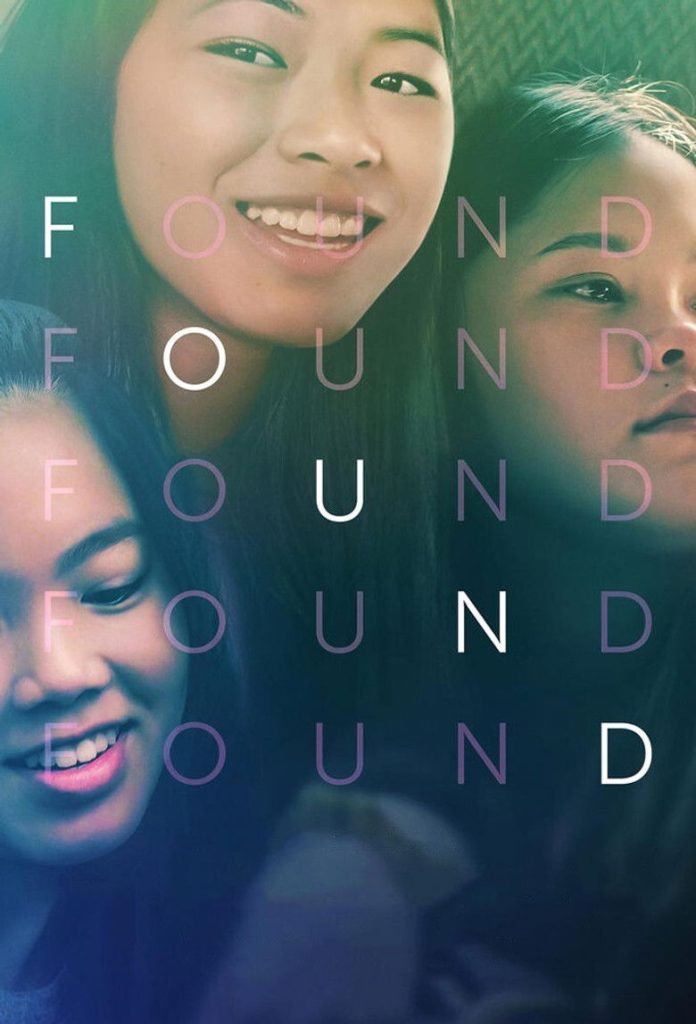
Story overview
This documentary follows three American teenage girls who were adopted from China as infants. Through DNA testing on 23andMe, they discover they are blood-related cousins and connect online. The film documents their emotional journey as they confront questions about their origins, identity, and the circumstances that led to their adoption, exploring themes of family, heritage, and belonging.
Parent Guide
A thoughtful documentary about adoption, identity, and family connections that is appropriate for most families with children 10 and up. The content is emotionally resonant but not graphic or disturbing.
Content breakdown
No violence or peril depicted. The documentary focuses on personal stories and emotional journeys.
Some discussions of family separation and adoption circumstances may be emotionally challenging for sensitive viewers, particularly younger children. The documentary handles these topics with care and sensitivity.
No offensive language. The documentary features conversational dialogue appropriate for general audiences.
No sexual content or nudity.
No depiction of substance use.
The documentary explores emotionally charged themes including adoption, identity, family separation, and cultural dislocation. There are emotional moments as the girls process their discoveries and histories. The tone is generally hopeful and uplifting despite the serious subject matter.
Parent tips
This documentary deals sensitively with adoption, identity, and family separation. It may prompt questions from children about adoption, biological families, and cultural heritage. The emotional content is handled thoughtfully but could be intense for younger viewers. Consider watching together to discuss the themes as they arise.
Parent chat guide
Parent follow-up questions
- What is a cousin?
- Why do some families look different from each other?
- What does it mean to be adopted?
- How do you think the girls felt when they discovered they were cousins?
- What questions would you ask if you met a long-lost relative?
- Why is it important to know where we come from?
- How might adoption affect someone's sense of identity?
- What challenges do transracial adoptees face?
- How does technology like DNA testing change how we understand family?
- What ethical considerations surround international adoption?
- How does this documentary portray the complexity of adoption narratives?
- What role does cultural heritage play in forming personal identity?
🎭 Story Kernel
At its core, 'Found' is less about the discovery of a serial killer and more about the psychological inheritance of trauma and the normalization of evil within the domestic sphere. The film's true horror isn't the graphic violence of the older brother's actions, but the younger brother Marty's gradual, terrified comprehension of it. His obsession with horror comics and movies becomes a futile framework through which he tries to process a reality far more mundane and thus more terrifying. The driving force is the collision of childhood innocence with an unspeakable secret, exploring how knowledge corrupts and isolates, forcing Marty to become an accomplice through silence. The film expresses how evil often wears the familiar face of family, and how the act of 'finding' something monstrous irrevocably destroys the finder's world.
🎬 Visual Aesthetics
The film employs a deliberately drab, desaturated color palette, mirroring the bleakness of its suburban setting and Marty's internal world. Cinematography often uses tight, claustrophobic close-ups on Marty's face, trapping the viewer in his escalating panic and isolation. The contrast is stark between these muted, realistic visuals and the vivid, stylized gore of the horror movie snippets Marty watches—highlighting how fantasy fails to prepare him for real horror. Key scenes use low-angle shots to make domestic spaces feel imposing and threatening, while the careful framing often places the older brother, Steve, in the background or periphery, a constant, unsettling presence. The visual language masterfully builds dread not through jump scares, but through the oppressive weight of mundane details charged with horrific significance.
🔍 Details & Easter Eggs
💡 Behind the Scenes
The film is an adaptation of a novel by Todd Rigney, with the screenplay written by director Scott Schirmer. It was shot on a micro-budget in Indiana, utilizing real suburban homes to enhance its unsettling authenticity. Actor Gavin Brown, who plays Marty, was only 13 during filming, and his raw, unaffected performance was guided through careful direction to protect him from the story's darker elements. The graphic prosthetic effects for the 'head in a box' were created by special effects artist Brian Paul, who worked to make the shocking reveal as viscerally realistic as possible within the constraints of the production's limited resources.
Where to watch
Choose region:
- Netflix
- Netflix Standard with Ads
Trailer
Trailer playback is unavailable in your region.