
Frozen (2013)
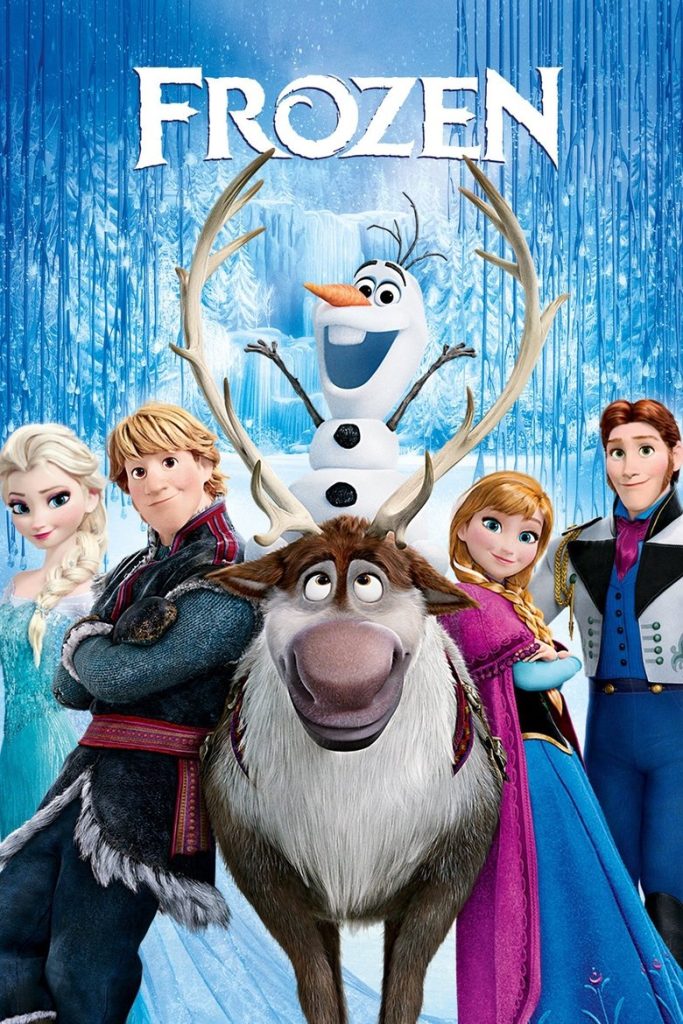
Story overview
Frozen is a 2013 animated musical fantasy about two royal sisters, Anna and Elsa, in the kingdom of Arendelle. When Elsa's magical ice powers accidentally plunge the kingdom into eternal winter, Anna embarks on a perilous journey to find her sister and save their home. Along the way, she learns about courage, family bonds, and the true meaning of love with the help of new friends.
Parent Guide
A family-friendly animated musical with positive messages about love and acceptance, containing some intense fantasy peril.
Content breakdown
Fantasy action includes magical ice powers creating hazards, a snow monster chasing characters, and scenes of peril in winter conditions. No graphic violence.
Some children might find the magical winter storm, snow monster, or moments where characters appear frozen or in danger unsettling. The overall tone remains adventurous rather than frightening.
No offensive language. Some mild rude humor and playful banter between characters.
No sexual content. Brief romantic elements are presented in a child-appropriate manner.
No substance use depicted.
Themes of sibling separation, fear of being different, and moments of apparent loss create emotional weight. The resolution is uplifting and emphasizes love and acceptance.
Parent tips
Frozen is generally appropriate for most children, but contains some intense scenes that might be frightening for very young viewers. The film features magical powers, a dangerous snow monster, and moments of peril when characters face freezing conditions and falling ice. The PG rating reflects these elements, along with some mild rude humor and brief action sequences.
Parents should know that the movie explores themes of sibling relationships, self-acceptance, and emotional isolation in ways that resonate with children. The story emphasizes that true love isn't always romantic, focusing instead on familial bonds and self-sacrifice. These positive messages are delivered through memorable songs and engaging animation.
Some children might find the magical winter storm and icy dangers unsettling, particularly during scenes with the snow monster or when characters appear to be in peril. The film's emotional moments dealing with separation and fear could also prompt questions from sensitive viewers.
Parent chat guide
During viewing, be available to reassure younger children during intense scenes, particularly those involving magical winter storms or moments of apparent danger. Point out how the characters help each other and work together to solve problems. You can discuss the difference between romantic love and the love between family members as these themes emerge.
After the movie, talk about the story's messages about accepting yourself and others, even when you're different. Discuss how Anna and Elsa learned to understand each other better, and ask how your child might handle disagreements with siblings or friends. Reinforce the idea that asking for help and working together often solves problems better than acting alone.
Parent follow-up questions
- What was your favorite song in the movie?
- How did Anna help her sister?
- What was the funniest part with Olaf the snowman?
- How did the characters stay warm in the snow?
- What made you happy in the story?
- Why do you think Elsa was afraid of her powers?
- How did Anna show she was a good friend?
- What does 'true love' mean in this story?
- How did the characters work together to solve problems?
- What would you do if you had magical powers like Elsa?
- How did the sisters' relationship change throughout the story?
- What does the movie teach about accepting people who are different?
- Why do you think the 'act of true love' wasn't what Anna expected?
- How did the characters show courage in difficult situations?
- What message does the movie send about family responsibilities?
- How does the film challenge traditional fairy tale conventions about love?
- What does Elsa's journey represent in terms of self-acceptance and identity?
- How does the movie portray the consequences of hiding one's true self?
- What commentary does the story make about fear versus love as motivating forces?
- How do the different types of relationships (sisters, friends, romantic interests) contribute to the overall themes?
🎭 Story Kernel
At its core, 'Frozen' is about the destructive power of fear and repression versus the liberating force of love and acceptance. Elsa's journey isn't about finding romantic love but about learning to embrace her true self without fear. The driving force isn't a villain but internalized trauma—Elsa's parents taught her to 'conceal, don't feel,' creating the very isolation that nearly destroys Arendelle. Anna's relentless pursuit represents unconditional familial love that persists even when rejected. The film subverts the 'true love's kiss' trope by revealing that the most powerful love is the self-sacrificing love between sisters.
🎬 Visual Aesthetics
The film's visual language masterfully uses temperature as emotional metaphor. Elsa's ice palace isn't just beautiful—its sharp, geometric crystals reflect her desire for controlled perfection, contrasting with the organic, flowing snowflakes of her childhood joy. The color palette shifts dramatically: warm golds and reds in the castle represent human connection, while cool blues and purples dominate during isolation. Notice how Elsa's movements become more fluid and dance-like as she accepts her powers—her final ice creations are playful spirals rather than defensive spikes. The animation of ice itself becomes character development.
🔍 Details & Easter Eggs
💡 Behind the Scenes
The film underwent massive changes during production—Elsa was originally the villain in a script called 'The Snow Queen,' and 'Let It Go' was initially a villain song until the team realized her isolation was sympathetic. Idina Menzel's Broadway background influenced Elsa's physicality, particularly the arm movements during her signature song. The ice animation required new technology—each of Elsa's 400,000 individual ice crystals was individually rendered. Kristen Bell recorded 'Do You Want to Build a Snowman?' in three sessions years apart to authentically capture Anna's aging voice.
Where to watch
Choose region:
- Disney Plus
- Amazon Video
- Apple TV
- Google Play Movies
- YouTube
- Fandango At Home
Trailer
Trailer playback is unavailable in your region.