
Frozen Fever (2015)
Story overview
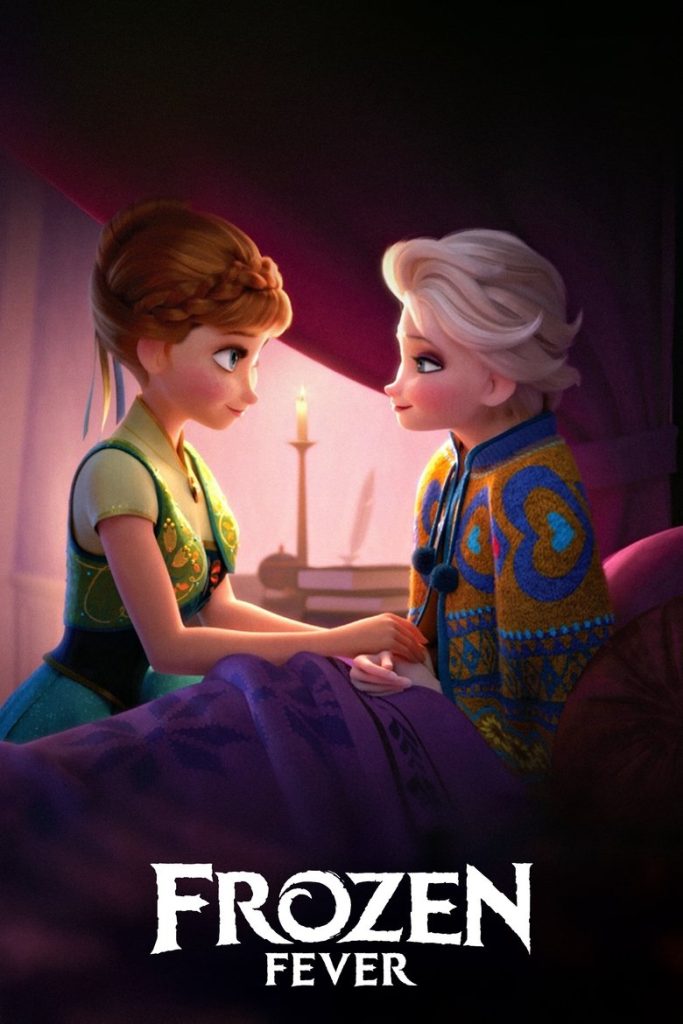
Frozen Fever is a short animated sequel where Elsa and Kristoff plan a special birthday celebration for Anna. Elsa's magical ice powers create unexpected challenges during the preparations, leading to humorous and magical situations. The story focuses on friendship, family bonds, and the joy of celebrating loved ones in this brief but charming adventure.
Parent Guide
A gentle, family-friendly short film with positive messages about sisterhood and celebration.
Content breakdown
Brief magical mishaps with ice powers create mild peril that resolves quickly and humorously.
No scary or disturbing content; all situations are handled with humor and warmth.
No inappropriate language; dialogue is family-friendly throughout.
No sexual content or nudity; characters wear appropriate animated clothing.
No substance use depicted or referenced.
Mild emotional moments related to birthday celebrations and family bonds.
Parent tips
Frozen Fever is a delightful 8-minute short film that continues the Frozen story in a lighthearted way. The G rating makes it appropriate for all ages, with no concerning content. Parents can expect the same positive messages about sisterhood and friendship from the original Frozen film, presented in a condensed format perfect for young viewers.
The film maintains the magical, musical tone of the original with brief moments of mild peril related to Elsa's ice powers. These moments are handled humorously and resolve quickly. This short serves as excellent entertainment for Frozen fans and introduces positive themes about caring for family members.
Parent chat guide
For younger viewers, you could talk about birthday celebrations and what makes them special. For older children, discuss how the characters handle unexpected problems and work together. The short runtime makes it easy to have brief conversations about the themes immediately after viewing.
Consider asking how your child would plan a special celebration for someone they care about. This can extend the positive messages about thoughtfulness and consideration beyond the viewing experience.
Parent follow-up questions
- What was your favorite part of Anna's birthday?
- How did Elsa show she loves her sister?
- What would you like for your birthday celebration?
- How did the characters help each other?
- What made you laugh in the movie?
- Why do you think Elsa wanted to make Anna's birthday special?
- How did the characters solve problems together?
- What does this story teach us about family relationships?
- How would you plan a celebration for someone you care about?
- What positive qualities did you see in the characters?
- How does this short film continue the themes from Frozen?
- What challenges did the characters face and how did they overcome them?
- How do the characters demonstrate responsibility and care?
- What does this story suggest about handling unexpected situations?
- How might the events affect the characters' relationships going forward?
- How does this short explore themes of family obligation versus personal limitations?
- What commentary might the film be making about perfectionism in relationships?
- How do the magical elements serve as metaphors for real-life challenges?
- What does the resolution suggest about accepting imperfections in celebrations?
- How does this continuation develop the characters from the original film?
🎭 Story Kernel
Frozen Fever cleverly inverts the original film's premise: where 'Frozen' was about Elsa learning to control her powers through self-acceptance, this short explores what happens when she loses control while trying to create a perfect day for Anna. The core theme is the burden of perfectionism in relationships—Elsa's desperate attempt to make up for lost time manifests physically through magical sneezes that create chaotic snowgies. Anna's journey isn't about survival this time, but about recognizing and accepting her sister's flawed efforts as genuine love. The driving force is Elsa's guilt-transformed-into-overcompensation, contrasted with Anna's mature understanding that imperfect celebrations can be more meaningful than flawless ones.
🎬 Visual Aesthetics
The animation employs a brighter, springtime palette that deliberately contrasts with the original's winter blues, using pastel yellows and greens to signal renewal and celebration. Camera movements become increasingly frantic as Elsa's sneezes multiply, with quick cuts between her panicked face and the multiplying snowgies creating visual chaos. The snowgies themselves serve as perfect visual metaphors—cute but uncontrollable manifestations of Elsa's anxiety. Notable is how Elsa's ice magic transforms from elegant, controlled patterns in the first film to messy, explosive bursts here, visually representing her compromised state. The final shot of the two sisters sharing the tiny cake in the destroyed party space uses intimate framing to emphasize connection over spectacle.
🔍 Details & Easter Eggs
💡 Behind the Scenes
Frozen Fever was originally conceived as a theatrical short to accompany Cinderella's 2015 release, marking Disney's return to animated shorts before feature films. The snowgies were inspired by Japanese kawaii culture and became so popular they spawned their own merchandise line. Jennifer Lee noted the short was intentionally designed to show Elsa's powers evolving beyond winter into spring magic. Directors Chris Buck and Jennifer Lee insisted on maintaining the original voice cast despite the short's compressed production schedule. The springtime Arendelle designs required entirely new background art since the original film only depicted winter settings.
Where to watch
Choose region:
- Disney Plus
- Amazon Video
- Apple TV
- Google Play Movies
- YouTube
- Fandango At Home
Trailer
Trailer playback is unavailable in your region.