
Frozen II (2019)
Story overview
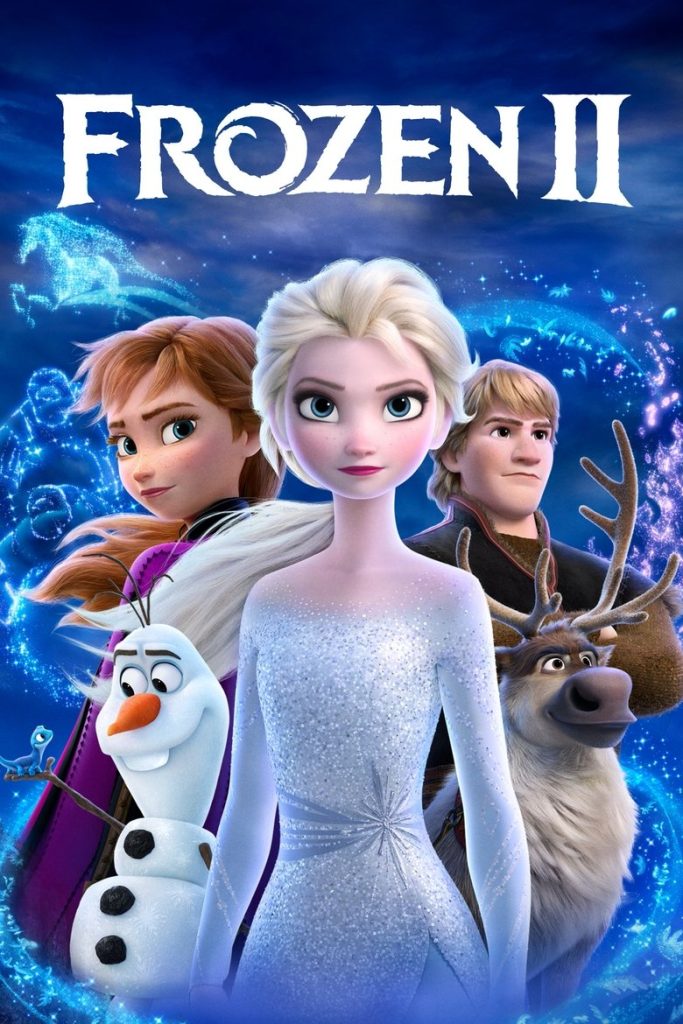
In this animated sequel, Elsa and her companions embark on a journey to uncover ancient secrets about their kingdom's past. They venture into an enchanted forest where they encounter magical spirits and face challenges that test their bonds. The story explores themes of self-discovery, family loyalty, and understanding one's heritage while maintaining the musical charm of the original film.
Parent Guide
A family-friendly animated sequel with some intense magical sequences and emotional themes that may require parental guidance for younger viewers.
Content breakdown
Some sequences of magical peril and characters in brief danger, but no physical violence between characters.
Magical spirits and environmental transformations might be intense for very young children, but nothing graphic or realistically frightening.
No inappropriate language or crude humor.
No sexual content, romantic elements are age-appropriate and minimal.
No depiction of alcohol, drugs, or tobacco use.
Themes of family history, responsibility, and environmental consequences create emotional depth that might be intense for sensitive viewers.
Parent tips
Frozen II is generally appropriate for most children, though it contains some intense moments that might be frightening for very young viewers. The film includes magical peril, brief scenes of characters in danger, and emotional themes about family history and responsibility. Parents should be aware that the story deals with more mature concepts than the first film, including environmental themes and confronting the past.
The PG rating reflects some sequences of action and peril, but there's no inappropriate language, sexual content, or substance use. The emotional intensity is higher than in the original Frozen, particularly during scenes involving magical forces and family revelations. Younger children might need reassurance during the more suspenseful sequences.
This film provides good opportunities to discuss themes of courage, honesty, and environmental stewardship with children. The characters demonstrate positive values like teamwork, perseverance, and accepting responsibility for past mistakes.
Parent chat guide
After the movie, consider discussing why it's important to learn about the past and how we can make better choices for the future. You might talk about how the characters worked together to solve problems and what we can learn from their cooperation. These conversations can help children process the film's themes while reinforcing family values.
For younger viewers, you might focus on simpler questions about friendship and helping others, while older children can explore more complex themes about history, responsibility, and environmental care.
Parent follow-up questions
- Which character did you like the most and why?
- What was your favorite song in the movie?
- How did the friends help each other?
- What made you laugh during the movie?
- What was something brave that happened?
- Why was it important for the characters to learn about the past?
- How did the characters show they were good friends?
- What challenges did the characters face together?
- What did you learn about taking care of nature?
- How did the characters solve problems in the story?
- What does the movie teach us about understanding our family history?
- How do the characters demonstrate responsibility for past actions?
- What messages does the film give about environmental care?
- How do the magical elements represent real-world ideas?
- What leadership qualities do the main characters show?
- How does the film explore the theme of confronting uncomfortable truths?
- What commentary does the story make about historical responsibility?
- How do the characters' personal journeys reflect coming-of-age themes?
- What environmental metaphors can you identify in the story?
- How does the film balance entertainment with meaningful themes?
🎭 Story Kernel
Frozen II explores the burden of legacy and the courage to rewrite inherited narratives. The core theme is truth versus tradition—the characters are driven by a need to uncover suppressed history and correct ancestral wrongs. Elsa's journey represents the individual's responsibility to confront uncomfortable truths, even when it means dismantling the foundations of one's identity. Anna's arc shows that leadership isn't about magical power but moral courage to act when everything falls apart. The film argues that healing requires acknowledging past sins, not covering them with monuments or songs.
🎬 Visual Aesthetics
The visual language shifts dramatically from the first film's crystalline blues to autumnal earth tones—rust, amber, and deep forest greens—signaling a move from internal emotional states to historical grounding. Water and memory are visually linked through Elsa's ice sculptures that reconstruct the past. The Nokk sequence uses fluid, dangerous animation to show nature as both ally and adversary. Most striking is how darkness is portrayed not as evil but as ancient, patient truth—the enchanted forest feels like a living archive where every mist and stone holds memory.
🔍 Details & Easter Eggs
💡 Behind the Scenes
The animators visited Norway, Finland, and Iceland to capture the autumnal landscapes, particularly studying how light filters through birch forests. Kristen Bell recorded 'The Next Right Thing' in one emotional take after discussing grief with the directors. The film's water effects required new simulation technology—the Nokk alone took 50 hours per frame to render. Idina Menzel's 'Show Yourself' was recorded with live orchestra to preserve vocal rawness, unlike typical animated musicals that layer vocals separately.
Where to watch
Choose region:
- Disney Plus
- Amazon Video
- Apple TV
- Google Play Movies
- YouTube
- Fandango At Home
Trailer
Trailer playback is unavailable in your region.