
Full Metal Jacket (1987)
Story overview
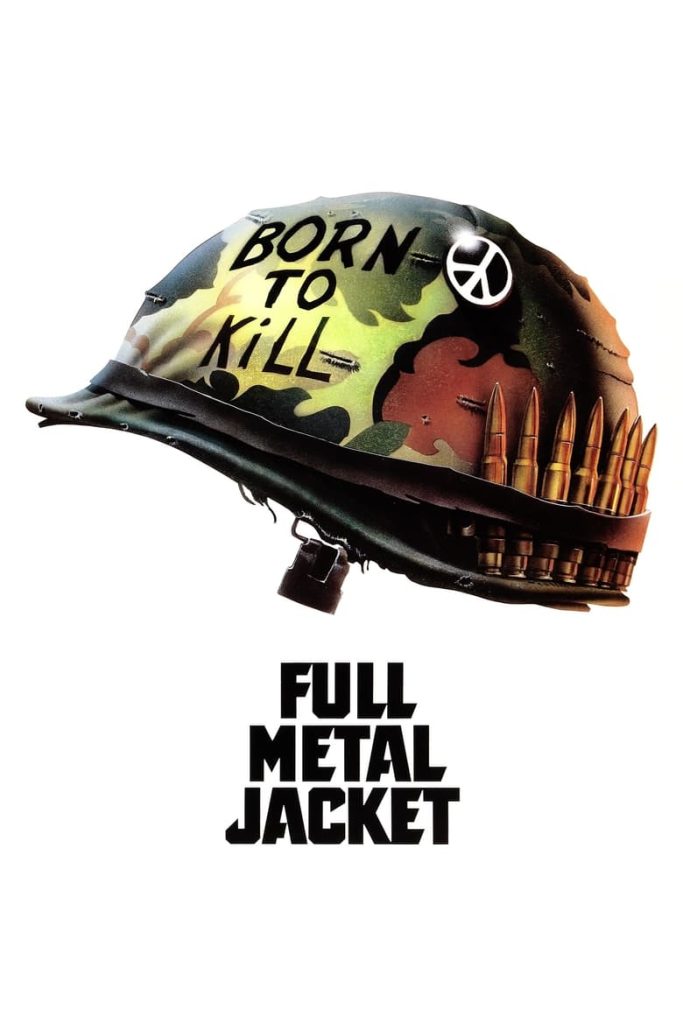
Full Metal Jacket is a war drama that follows U.S. Marine recruits through their intense boot camp training and into combat during the Vietnam War. The film explores how military training and warfare affect soldiers' humanity and psychological state. It presents a stark, unflinching look at the brutal realities of war and its impact on those who experience it.
Parent Guide
This film contains intense, graphic war violence, strong language, and disturbing psychological content throughout.
Content breakdown
Extensive graphic war violence including shootings, explosions, and combat injuries shown realistically
Intense psychological pressure, disturbing training scenes, and traumatic combat situations
Pervasive strong language including frequent profanity throughout the film
Some sexual references and brief nudity in military context
Some smoking and drinking depicted among soldiers
High emotional intensity throughout with themes of trauma, pressure, and psychological strain
Parent tips
This film contains extremely graphic violence, pervasive strong language, disturbing psychological content, and intense emotional scenes throughout. The R rating is well-deserved due to the film's unflinching portrayal of war's brutality and its psychological effects on soldiers. Parents should be aware that this is not a glorified action film but rather a critical examination of dehumanization in military training and combat.
Parent chat guide
Parent follow-up questions
- What did you notice about how the soldiers were treated?
- How did the movie make you feel?
- What do you think about people in uniforms?
- Can you draw a picture of something you saw?
- What was your favorite part of the movie?
- Why do you think the soldiers had to go through such tough training?
- How did the soldiers' feelings change during the movie?
- What does it mean to be brave in difficult situations?
- How do you think war affects people?
- What would you do if you saw someone being treated unfairly?
- What message do you think the film is trying to share about war?
- How does the training prepare soldiers for what they'll face?
- Why do you think some characters behaved differently under pressure?
- What does the film show about teamwork and leadership?
- How do you think war changes people's perspectives?
- How does the film critique military training and warfare?
- What does the film suggest about the psychological effects of war?
- How does the movie portray the loss of innocence and humanity?
- What commentary does the film make about following orders versus personal morality?
- How does the film's structure (training vs. combat) enhance its themes?
🎭 Story Kernel
The film's true subject isn't war, but institutional dehumanization. The first half at Parris Island shows the systematic destruction of individual identity to create compliant soldiers—Private Pyle's breakdown is the logical endpoint of this process. The second half in Vietnam reveals the horrifying result: men stripped of empathy, navigating a moral vacuum where survival requires embracing the very brutality they were trained for. Joker's journey from ironic observer to cold-blooded killer demonstrates that no one emerges unchanged; the institution succeeds in creating what it needs, then discards the human wreckage.
🎬 Visual Aesthetics
Kubrick employs clinical, symmetrical compositions that mirror the military's rigid order, particularly in the barracks scenes where recruits are framed like specimens. The Vietnam sequences shift to handheld camerawork and desaturated colors, creating documentary-like immediacy. Notice the recurring use of frontal close-ups during confrontations—the camera becomes an interrogator. The iconic sniper sequence uses slow tracking shots and tight framing to create unbearable tension, while the final march features soldiers silhouetted against burning ruins, singing the Mickey Mouse Club theme—a perfect visual metaphor for American innocence consumed by its own manufactured violence.
🔍 Details & Easter Eggs
💡 Behind the Scenes
R. Lee Ermey, who played Gunnery Sergeant Hartman, was a former Marine drill instructor who improvised most of his dialogue—Kubrick reportedly kept him on set to train the actors even when not filming. The Parris Island scenes were shot at an abandoned gasworks in England because Kubrick refused to work in America. Vincent D'Onofrio gained 70 pounds for the role of Private Pyle, then had to lose it quickly for reshoots, causing health issues. The iconic 'me so horny' scene was improvised by the Vietnamese actress based on phrases she'd heard from American soldiers.
Where to watch
Choose region:
- Amazon Video
- Apple TV
- Google Play Movies
- YouTube
- Fandango At Home
- Spectrum On Demand
- Plex
Trailer
Trailer playback is unavailable in your region.