
Funny Games (1997)
Story overview
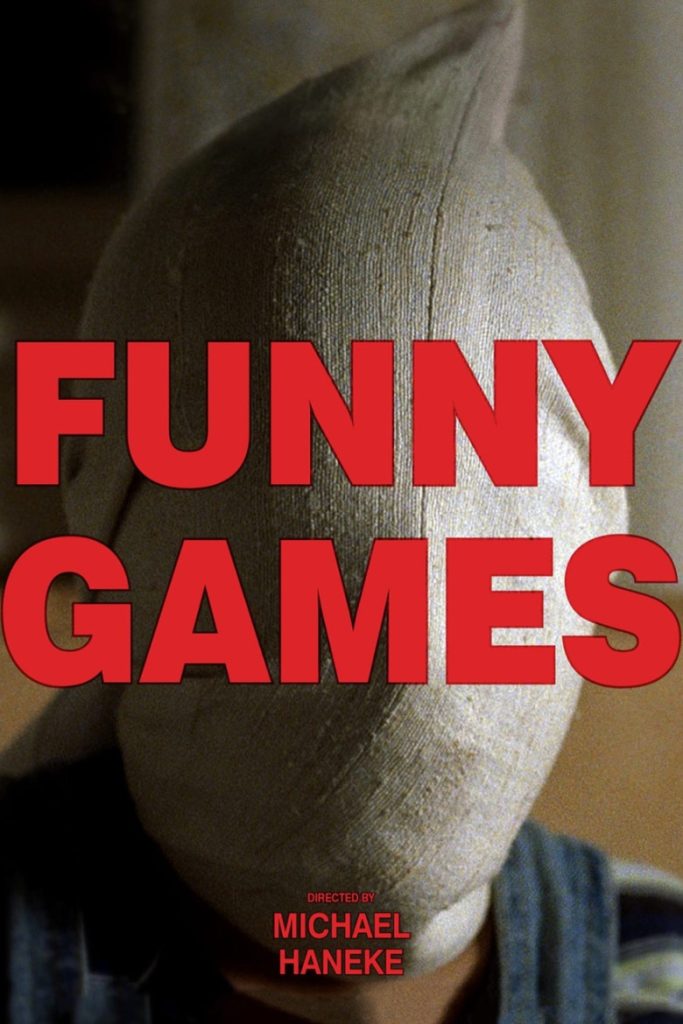
Funny Games is a psychological thriller that follows a family on vacation who are terrorized by two young men posing as polite neighbors. The film deliberately breaks conventional storytelling to critique violence in media, creating an unsettling experience. It features intense psychological manipulation and violence that serves as social commentary rather than entertainment.
Parent Guide
Extremely disturbing psychological thriller with graphic violence and intense themes. Not suitable for children or young teens.
Content breakdown
Graphic, brutal violence including torture and murder. Violence is presented in a cold, unflinching manner without typical cinematic catharsis.
Intense psychological terror, home invasion scenario, and deliberate creation of viewer discomfort. The film breaks the fourth wall to implicate the audience.
Some strong language likely present given the intense subject matter, though specific details are unavailable.
Possible brief nudity or sexual references given the thriller genre, but not a primary focus.
Possible social drinking or substance use in background scenes, but not central to the plot.
Extremely high emotional intensity with themes of helplessness, terror, and psychological manipulation. The film deliberately avoids resolution or hope.
Parent tips
This film contains extremely disturbing psychological terror and graphic violence that is intentionally brutal and unrelenting. The violence is presented in a cold, clinical manner designed to make viewers uncomfortable with their own consumption of violent media. Parents should be aware this is not a typical horror film but rather a challenging critique of violence in entertainment that many find deeply upsetting.
Due to the film's unflinching violence and psychological torment, it is absolutely not appropriate for children or young teens. Even mature teenagers should approach this film with caution and parental guidance. The film deliberately avoids catharsis or resolution, leaving viewers with a sense of hopelessness that can be particularly disturbing.
Parent chat guide
Be prepared to address feelings of discomfort or distress the film may provoke. The film intentionally creates an unpleasant viewing experience to make its point. Help your teen process why the film made them feel uncomfortable and what that says about their relationship with media violence.
Parent follow-up questions
- What makes you feel safe when you're scared?
- Who are the people who help keep you safe?
- What do you do when something on TV makes you feel uncomfortable?
- Can you tell me about a time you felt brave?
- What are some happy things we can watch together?
- Why do you think some movies show scary things?
- How can you tell if a movie might be too scary for you?
- What's the difference between pretend violence and real violence?
- Who can you talk to if a movie makes you feel upset?
- What are some ways to feel better after watching something scary?
- What do you think movies are trying to say when they show violence?
- How does this movie's approach to violence compare to other thrillers you've seen?
- Why might a director choose to make viewers uncomfortable?
- What responsibility do filmmakers have when depicting violence?
- How can you make good choices about what media to consume?
- What commentary is this film making about violence in media?
- How does the film's breaking of conventions affect your viewing experience?
- Do you think the film's approach to violence is effective as social critique?
- What ethical questions does this film raise about depicting violence?
- How does this film compare to other media that uses violence for entertainment?
🎭 Story Kernel
Funny Games isn't about home invasion; it's a direct assault on the audience's relationship with cinematic violence. The two villains, Paul and Peter, aren't driven by motive or backstory—they're pure narrative devices. They break the fourth wall, rewind the film to undo a hopeful moment, and explicitly ask us why we're watching. The film's core theme is the ethics of spectatorship: we're not innocent bystanders but active participants in this cruelty, seeking entertainment from suffering. The family's fate is secondary to our own moral interrogation.
🎬 Visual Aesthetics
Michael Haneke employs a clinical, almost sterile visual style that amplifies the horror. The camera remains static during violent acts, refusing to glamorize or sensationalize. Long, unbroken takes force us to sit with the brutality. The color palette is bright and domestic—whites, yellows, blues—creating a disturbing contrast with the atrocities. The most jarring visual choice is the remote-control rewind: a literal manipulation of the film's reality that shatters any illusion of narrative safety.
🔍 Details & Easter Eggs
💡 Behind the Scenes
Michael Haneke shot identical German and English-language versions simultaneously with mostly the same cast. Arno Frisch (Paul) and Frank Giering (Peter) previously played similar tormentor/victim roles in Haneke's 'The Seventh Continent.' The lake house was specifically chosen for its isolated, bourgeois aesthetic. Haneke instructed actors to perform violence realistically but without rehearsal to maintain raw, uncomfortable authenticity.
Where to watch
Choose region:
- HBO Max
- HBO Max Amazon Channel
- Criterion Channel
- Shout! Factory TV
- Amazon Video
- Apple TV
- Google Play Movies
- Fandango At Home
Trailer
Trailer playback is unavailable in your region.