
Gasland Part II (2013)
Story overview
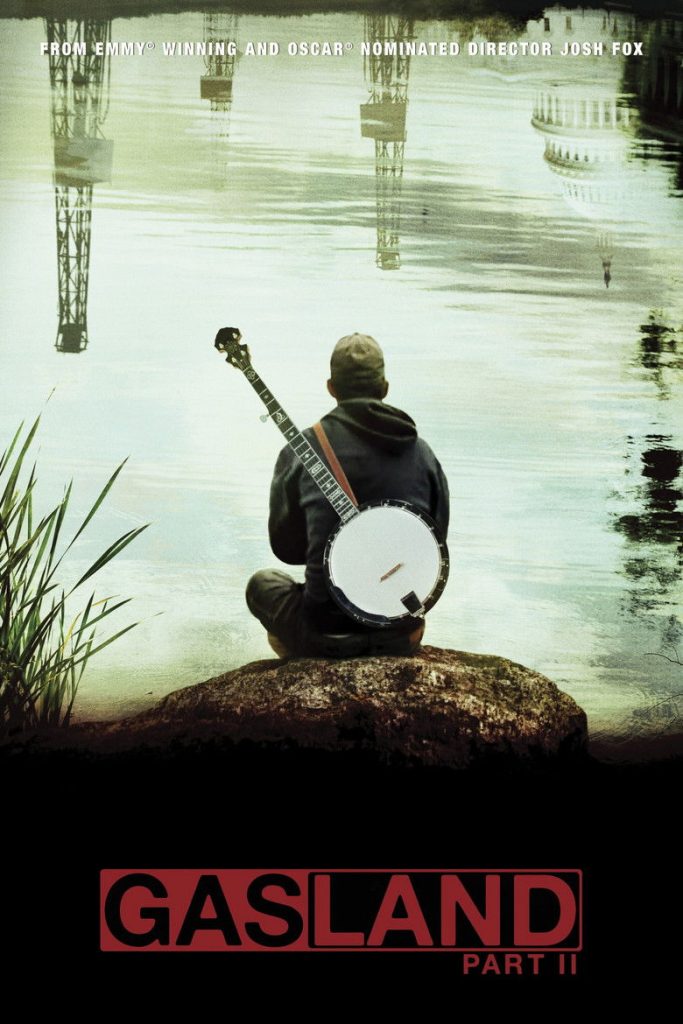
Gasland Part II is a 2013 documentary sequel that continues filmmaker Josh Fox's investigation into hydraulic fracturing (fracking). The film presents evidence of environmental and health impacts from fracking operations, including water contamination, earthquakes, and allegations of psychological manipulation tactics used against affected communities. It serves as a follow-up to the Oscar-nominated original Gasland, aiming to demonstrate that fracking-related issues require urgent attention.
Parent Guide
Educational documentary about environmental impacts of hydraulic fracturing. Contains discussions of water contamination, health effects, and corporate/government conflicts. Best for mature children interested in environmental science or current events.
Content breakdown
No physical violence shown. Some discussion of health risks and environmental damage that could be perceived as threatening. Brief mention of psychological operations tactics.
Some disturbing content includes footage of contaminated water, discussions of health effects, and emotional interviews with affected residents. The environmental damage shown may concern sensitive viewers.
No offensive language noted. Standard documentary narration and interviews.
No sexual content or nudity.
No substance use depicted.
Emotionally charged interviews with affected residents. Discussions of environmental damage and health concerns may provoke strong feelings about environmental protection and corporate responsibility.
Parent tips
This documentary deals with serious environmental and political topics that may be challenging for younger viewers. Consider watching together with children 10+ to discuss the scientific and social issues presented. The film includes discussions of water contamination, health effects, and corporate/government conflicts that may raise questions about environmental responsibility.
Parent chat guide
Parent follow-up questions
—
- What is fracking?
- Why is clean water important?
- What are some ways we can protect our environment?
- How does fracking work technically?
- What evidence does the film present about water contamination?
- Why might communities and energy companies disagree about fracking?
- What role should government play in regulating energy production?
- What are the economic arguments for and against fracking?
- How does the film use documentary techniques to persuade viewers?
- What scientific evidence would be needed to definitively prove fracking's environmental impacts?
- How do energy policies reflect societal values and priorities?
- What are alternative energy sources that could replace fracking?
🎭 Story Kernel
The film's core is an autopsy of institutional failure, where the promise of energy independence metastasizes into environmental and social ruin. It's driven not by heroes, but by ordinary citizens—landowners, families, scientists—whose lives are fractured by the hydraulic fracturing industry. Their motivation is primal: the defense of home, health, and a basic right to clean water against corporate and governmental systems that prioritize profit and political expediency over people. The narrative arc charts the disillusionment from initial regulatory trust to the stark realization of a captured state, making it a chilling study of democracy under corporate siege.
🎬 Visual Aesthetics
The visual language is one of stark, unsettling juxtaposition. Handheld, vérité footage of contaminated water taps and distressed families creates an intimate, urgent realism. This is contrasted with slick, aerial shots of industrial landscapes—a geometric invasion of pipelines and well pads on rural terrain. Director Josh Fox often frames himself as a weary investigator within the shot, his presence a visual anchor in the chaos. The recurring image of flaming tap water, now an infamous symbol, is presented not as spectacle but with grim, matter-of-fact horror, its blue-orange flame burning against everyday kitchen sinks.
🔍 Details & Easter Eggs
💡 Behind the Scenes
The production was famously grassroots and perilous. Director Josh Fox and his small crew often filmed under threat, with one incident involving a corporate security vehicle aggressively pursuing their car. Much of the footage was captured on consumer-grade equipment, contributing to its urgent, first-person feel. The film's release was strategically timed to influence the national debate on fracking, and its findings contributed directly to New York State's historic 2014 ban on high-volume hydraulic fracturing.
Where to watch
Choose region:
- HBO Max
- HBO Max Amazon Channel
- Amazon Video
- Apple TV Store
- Fandango At Home
Trailer
Trailer playback is unavailable in your region.