
Ghost Dog: The Way of the Samurai (1999)
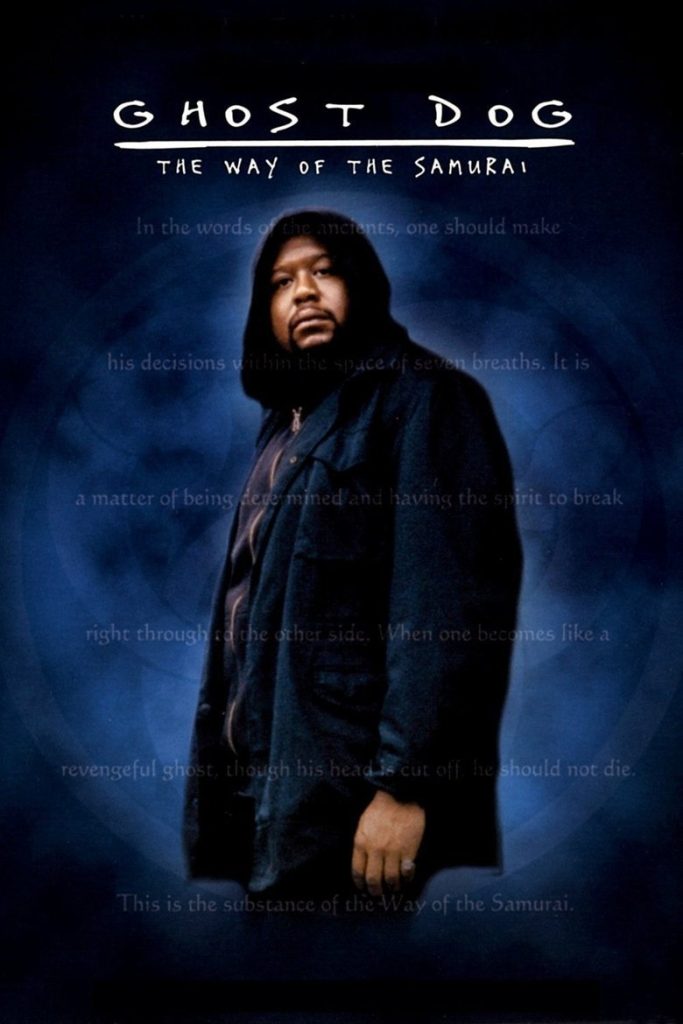
Story overview
Ghost Dog: The Way of the Samurai is a 1999 crime drama about a hitman who lives by the ancient code of the samurai. The film follows his solitary life and professional relationships in a modern urban setting. It explores themes of loyalty, honor, and isolation through its unique blend of crime elements and philosophical undertones.
Parent Guide
R-rated crime drama with mature themes requiring parental guidance for viewers under 17.
Content breakdown
Contains criminal violence and peril typical of the genre.
Themes of crime and isolation may be disturbing to some viewers.
May contain strong language typical of R-rated crime films.
Limited sexual content may be present in crime drama context.
May include substance use in crime-related settings.
Deals with themes of loyalty, honor, and isolation with emotional depth.
Parent tips
This R-rated film contains mature content typical of the crime genre. Parents should be aware that the movie deals with criminal activities and violent themes. The philosophical elements might be difficult for younger viewers to understand, while the crime elements could be disturbing.
Parent chat guide
Parent follow-up questions
- What did you think about the main character?
- How did the movie make you feel?
- What was your favorite part?
- Did anything in the movie seem confusing?
- What colors or sounds did you notice most?
- What does it mean to have a personal code?
- How do you think the main character feels about his job?
- What makes someone a good friend?
- Have you ever felt different from others?
- What would you do if you disagreed with a friend?
- What does honor mean to you?
- How does the movie show loyalty?
- What are the consequences of violence?
- How do people show respect in different ways?
- What makes someone isolated from others?
- How does the film blend ancient philosophy with modern crime?
- What commentary does the movie make about urban isolation?
- How do personal codes conflict with societal expectations?
- What does the film suggest about redemption?
- How does the cinematography contribute to the themes?
🎭 Story Kernel
The film explores the collision of ancient philosophy with modern urban decay through Ghost Dog, a hitman living by the Hagakure samurai code. His unwavering loyalty to a mobster who once saved him becomes his fatal flaw when the mafia, bound by outdated honor but corrupted by incompetence, orders his death. This isn't a revenge story—it's about the tragic beauty of adhering to a personal code in a world that no longer values such principles. Ghost Dog's journey questions whether true honor lies in blind service or in choosing one's own path, culminating in his acceptance of death as the ultimate act of samurai discipline.
🎬 Visual Aesthetics
Jim Jarmusch employs a stark, minimalist visual style with deliberate pacing and static shots that mirror Ghost Dog's disciplined life. The color palette is dominated by muted grays and blues of the urban landscape, punctuated by the vivid red of blood and the white of Ghost Dog's pigeons. Action sequences are brutally efficient, devoid of Hollywood flair—each kill is quick, clinical, and almost anti-climactic. Symbolism abounds: the rooftop pigeon coop represents Ghost Dog's isolated freedom, while the recurring shots of decaying buildings mirror the mafia's irrelevance. The camera often lingers on characters' faces during silences, emphasizing the weight of unspoken codes.
🔍 Details & Easter Eggs
💡 Behind the Scenes
Forest Whitaker trained in samurai sword techniques for months, performing most of his own stunts. The Hagakure quotes were selected by Jarmusch himself, who studied the text extensively. RZA's score was composed separately from the filming, with Jarmusch later editing scenes to match the music's rhythm. The film was shot on location in Jersey City, using real decaying neighborhoods to enhance the gritty aesthetic. Many mob actors were non-professionals from New York's Little Italy, giving their performances an authentic, weary credibility.
Where to watch
Choose region:
- HBO Max
- HBO Max Amazon Channel
- Criterion Channel
- Cinemax Amazon Channel
- Cinemax Apple TV Channel
- Amazon Video
- Apple TV
- Google Play Movies
- YouTube
- Fandango At Home
Trailer
Trailer playback is unavailable in your region.