
Ghost of the Mountains (2017)
Story overview
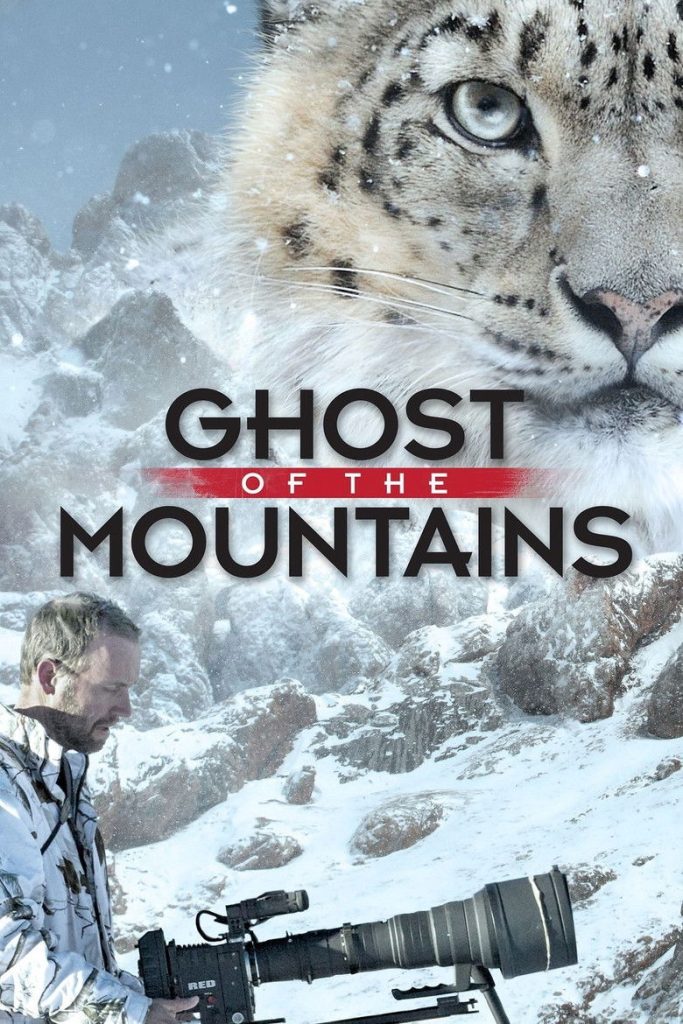
This 2017 Disneynature documentary follows filmmakers as they venture into China's remote mountain plateaus to capture footage of the elusive snow leopard. The film showcases the team's perseverance through extreme weather and challenging terrain while highlighting the beauty and fragility of this high-altitude ecosystem.
Parent Guide
A gentle, educational nature documentary suitable for all ages. Contains no objectionable material, only beautiful wildlife footage and respectful filmmaking.
Content breakdown
Natural predator-prey behavior may be shown briefly as part of the ecosystem, but nothing graphic or intense. Filmmakers face challenging weather/terrain but no dangerous situations are dramatized.
No scary or disturbing content. The tone is consistently educational and respectful toward nature.
No inappropriate language. Narration is educational and family-appropriate.
No sexual content or nudity. Animals are shown naturally in their habitat.
No substance use of any kind.
Some emotional moments related to animal survival and the beauty of nature, but presented in a gentle, educational manner. Young children might feel concern for animals in harsh conditions.
Parent tips
This G-rated nature documentary is completely family-friendly with no concerning content. The main considerations are the film's educational focus and potential emotional moments related to animal survival. Perfect for sparking interest in wildlife conservation and geography.
Parent chat guide
Parent follow-up questions
- What was your favorite animal in the movie?
- What colors did you see in the mountains?
- How do you think the snow leopard stays warm?
- Would you like to visit snowy mountains like those?
- Why do you think snow leopards are hard to find?
- What equipment do you think the filmmakers needed?
- How are the animals adapted to live in such cold places?
- What did you learn about how filmmakers work in nature?
- What conservation challenges might snow leopards face?
- How does the film balance education with entertainment?
- What ethical considerations should filmmakers have when documenting wildlife?
- What did you notice about the ecosystem shown in the film?
- How does this documentary approach differ from more dramatic nature films?
- What role does cinematography play in conservation messaging?
- How might climate change affect high-altitude ecosystems like this?
- What ethical questions arise when humans document wild animals in their habitats?
🎭 Story Kernel
The film's true subject isn't the elusive snow leopard itself, but the obsessive human quest to witness it. It expresses our paradoxical relationship with nature: we seek to preserve wilderness while simultaneously invading it with technology and presence. The driving force isn't plot but patience—both the filmmakers' four-year vigil and the leopard's evolutionary mastery of invisibility. This creates tension between human ambition and animal indifference, questioning whether our documentation helps conservation or merely satisfies our own need for connection with the wild we've systematically destroyed.
🎬 Visual Aesthetics
The cinematography operates on two distinct registers: vast, static landscape shots that emphasize the leopard's scale of existence, and intimate, shaky close-ups that mirror human frustration. The color palette is deliberately muted—whites, grays, and browns that camouflage both predator and prey. When the leopard finally appears, the camera doesn't zoom dramatically but holds distance, respecting its space. The most striking visual choice is what's omitted: we see more paw prints than actual leopards, making the rare appearances feel earned rather than manufactured. Snow becomes both canvas and curtain throughout.
🔍 Details & Easter Eggs
💡 Behind the Scenes
The production team spent over 400 days in the Tibetan Plateau across four years, with temperatures dropping to -40°C. Cinematographer Shane Moore developed custom camera housings that could operate at extreme altitudes. Most remarkably, the documentary's central 'ghost'—the snow leopard—was filmed using military-grade thermal imaging repurposed for conservation, technology previously used for combat surveillance. The lead researcher, Li Juan, continued her work for two years after filming concluded, with the crew returning periodically without cameras to avoid disrupting ongoing conservation efforts.
Where to watch
Choose region:
- Disney Plus
- Amazon Video
- Apple TV Store
- Google Play Movies
- YouTube
- Fandango At Home
Trailer
Trailer playback is unavailable in your region.