
Ghosts of Abu Ghraib (2007)
Story overview
This documentary examines the 2003 Abu Ghraib prison scandal in Iraq, where U.S. soldiers were found to have abused detainees. Through interviews with soldiers, experts, and archival footage, it explores the systemic failures, psychological factors, and political context behind these human rights violations, aiming to understand how such events occurred rather than just depicting the abuses.
Parent Guide
A serious documentary about real war crimes and institutional failures. Not appropriate for children due to mature content and complex themes.
Content breakdown
Includes descriptions and some images of prisoner abuse, humiliation, and psychological torture. While not excessively graphic, the reality of the violence is disturbing.
Disturbing content includes discussions of torture methods, prisoner humiliation, and the psychological impact on both detainees and soldiers. The documentary's examination of how ordinary people can commit atrocities is particularly unsettling.
Occasional strong language from interviews with soldiers and in documentary context, but not pervasive.
References to sexual humiliation of prisoners and some images of forced nudity as part of the abuse, though not sexually explicit.
No substance use depicted or discussed.
High emotional intensity due to the serious subject matter, moral complexity, and disturbing revelations about human behavior and systemic failures.
Parent tips
This documentary deals with mature themes of war, torture, and ethical violations. It includes disturbing descriptions and some images of prisoner abuse, though graphic content is limited. Best suited for mature teens who can process complex historical and moral issues. Parents should be prepared to discuss government accountability, military ethics, and the psychological impact of war.
Parent chat guide
Parent follow-up questions
—
—
—
- What factors do you think allowed the abuse at Abu Ghraib to happen?
- How should soldiers balance following orders with doing what's right?
- What responsibility do leaders have when systems fail?
- How can documentaries help us understand complex historical events?
🎭 Story Kernel
The film's core theme is the banality of evil within institutional frameworks. It explores how the Abu Ghraib abuses weren't the work of rogue individuals but resulted from systemic failures, ambiguous orders, and a culture that dehumanized prisoners. Through interviews with both perpetrators and victims, the documentary demonstrates how ordinary soldiers, when placed in extraordinary circumstances with inadequate training and leadership, could commit atrocities while maintaining they were 'just following orders.' The driving force isn't individual malice but the gradual erosion of moral boundaries within a system that prioritized intelligence gathering over human dignity.
🎬 Visual Aesthetics
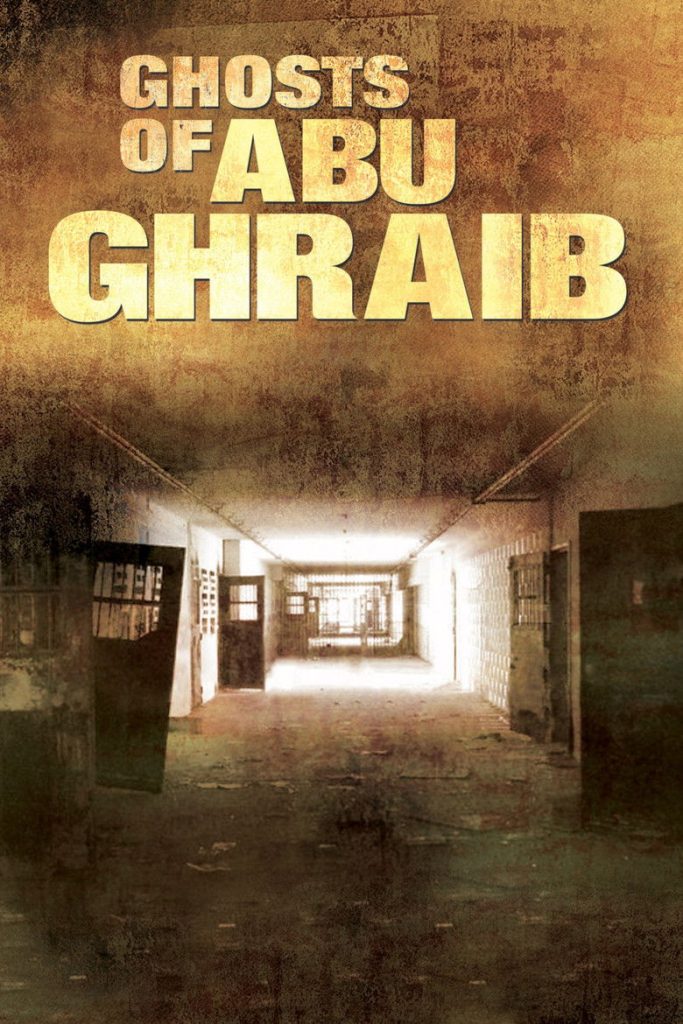
The documentary employs a stark visual language that mirrors its subject matter. It contrasts official military footage with the infamous prisoner photographs, creating a disturbing visual dialectic between sanitized bureaucracy and raw brutality. The color palette shifts between the sterile blues of interrogation rooms and the dusty, oppressive tones of the prison itself. Director Rory Kennedy uses tight close-ups during interviews, forcing viewers to confront the faces of both abusers and abused, while wider shots of the abandoned prison emphasize its haunting emptiness. The visual structure deliberately mirrors the psychological journey from order to chaos.
🔍 Details & Easter Eggs
💡 Behind the Scenes
Director Rory Kennedy filmed 'Ghosts of Abu Ghraib' over two years, gaining unprecedented access to both convicted soldiers and Iraqi victims. The documentary was part of HBO's America Undercover series and premiered at the 2007 Sundance Film Festival. Kennedy conducted interviews at military prisons where perpetrators were incarcerated, creating an eerie parallel to Abu Ghraib itself. The production faced significant challenges obtaining clearances and dealing with the emotional toll of the subject matter, with Kennedy noting that some interview sessions had to be paused due to the intensity of recollections.
Where to watch
Choose region:
- HBO Max
- HBO Max Amazon Channel
- Amazon Video
- Apple TV Store
- Google Play Movies
- YouTube
- Fandango At Home