
Gia (1998)
Story overview
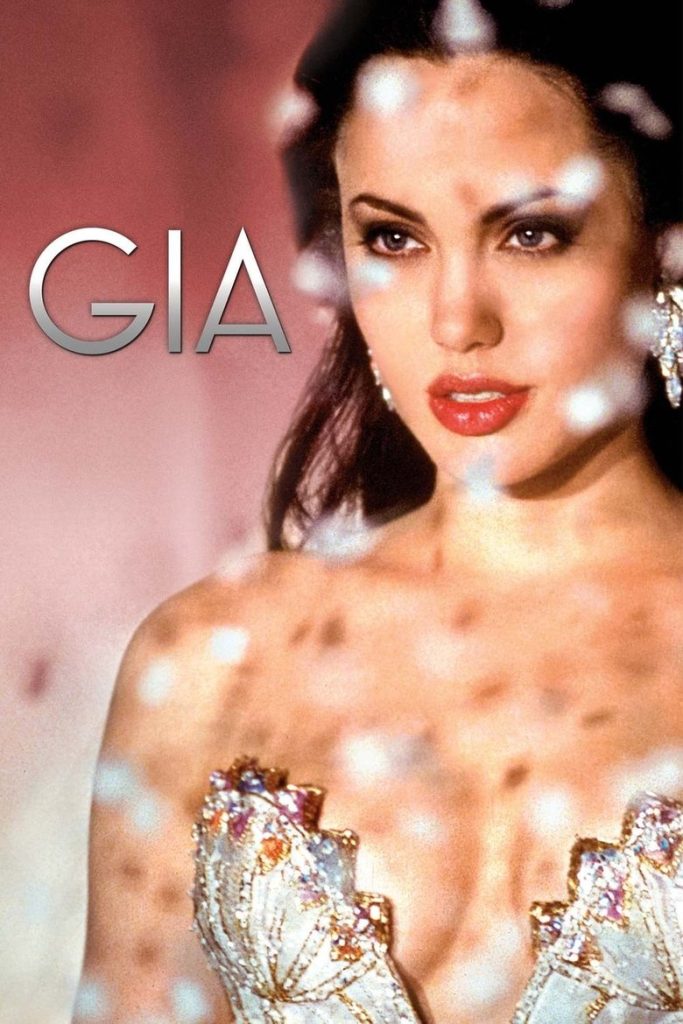
Gia is a 1998 biographical drama film that explores the life of Gia Carangi, one of the first supermodels. The film follows her rapid rise to fame in the fashion industry during the late 1970s and early 1980s. It portrays her personal struggles with identity, relationships, and addiction against the backdrop of the glamorous modeling world. The story ultimately deals with themes of ambition, vulnerability, and the consequences of a fast-paced lifestyle.
Parent Guide
This R-rated biographical drama contains mature themes including drug addiction, sexual content, and emotional intensity. It portrays the darker side of fame and modeling industry pressures.
Content breakdown
Some emotional intensity and personal conflicts, but no physical violence.
Contains emotionally disturbing scenes related to addiction and personal decline.
Some strong language consistent with R rating.
Contains sexual content and nudity appropriate for R rating.
Prominent depiction of drug use and addiction.
High emotional intensity dealing with personal struggles and consequences.
Parent tips
This R-rated film contains mature content that makes it unsuitable for younger viewers. Parents should be aware that the movie deals with adult themes including drug use, sexual content, and emotional intensity. The film portrays the darker side of fame and includes scenes that may be disturbing or confusing for children and younger teenagers.
Due to the R rating and mature subject matter, this film is best reserved for older teenagers and adults. Parents should consider their child's maturity level and ability to process complex emotional themes before allowing them to watch. The film's exploration of addiction and self-destructive behavior requires thoughtful discussion and context.
Parent chat guide
Encourage conversations about peer pressure and making choices that align with personal values. Discuss the importance of seeking help when facing difficult situations. Ask your teen what they think about the portrayal of relationships in the film and how they might handle similar pressures differently.
Parent follow-up questions
- What do you think about the pretty clothes in the movie?
- How do you think the people in the movie are feeling?
- What was your favorite part to look at?
- What do you think it means to be famous?
- How do you think the main character felt when people took her picture?
- What are some good ways to handle big feelings?
- What pressures do you think come with being famous?
- How do you think the fashion industry has changed since this movie takes place?
- What are healthy ways to deal with stress or disappointment?
- How does the film portray the relationship between appearance and reality?
- What societal pressures do you see affecting the characters' choices?
- How might the story be different if it took place today with social media?
- What does the film suggest about the cost of fame?
- How do the characters' relationships reflect their personal struggles?
🎭 Story Kernel
At its core, 'Gia' explores the brutal commodification of identity in the fashion industry, where Gia Carangi's authentic self is systematically erased and replaced with a marketable image. The film portrays her not as a tragic victim of addiction, but as a casualty of an environment that values appearance over humanity. Her desperate search for genuine connection—first with her absent mother, then with lovers and agents—is constantly thwarted by transactional relationships. The real tragedy isn't the heroin, but how the industry's emotional vacuum created the perfect conditions for her self-destruction. Her drive stems from a profound loneliness that no amount of fame or beauty could fill.
🎬 Visual Aesthetics
The cinematography masterfully mirrors Gia's psychological descent through its evolving visual language. Early scenes are bathed in warm, golden-hour lighting during her initial success, creating an almost dreamlike quality. As her addiction takes hold, the palette shifts to cold blues and harsh fluorescent whites, with tighter framing that feels claustrophobic. The camera often lingers on Angelina Jolie's face in extreme close-ups during emotional moments, making her isolation palpable. Fashion shoots are presented as sterile, clinical spaces—a stark contrast to the chaotic warmth of her personal life. The final AIDS diagnosis sequence uses washed-out tones that visually echo her physical and emotional depletion.
🔍 Details & Easter Eggs
💡 Behind the Scenes
Angelina Jolie's transformative performance as Gia Carangi earned her a Golden Globe, with her preparation including meeting with Gia's former lovers and studying hours of interview footage. The real Gia's mother, Kathleen Carangi, served as a consultant but reportedly found the viewing experience difficult. Many of the fashion scenes were shot in actual New York studios that Gia worked in during the late 1970s. Director Michael Cristofer intentionally cast relatively unknown actors for supporting roles to enhance the film's documentary-like authenticity. Jolie performed most of her own nude scenes, arguing it was essential for portraying Gia's vulnerability honestly.
Where to watch
Choose region:
- HBO Max
- HBO Max Amazon Channel
- Amazon Video
- Apple TV
- Google Play Movies
- YouTube
- Fandango At Home