
Girl in the Picture (2022)
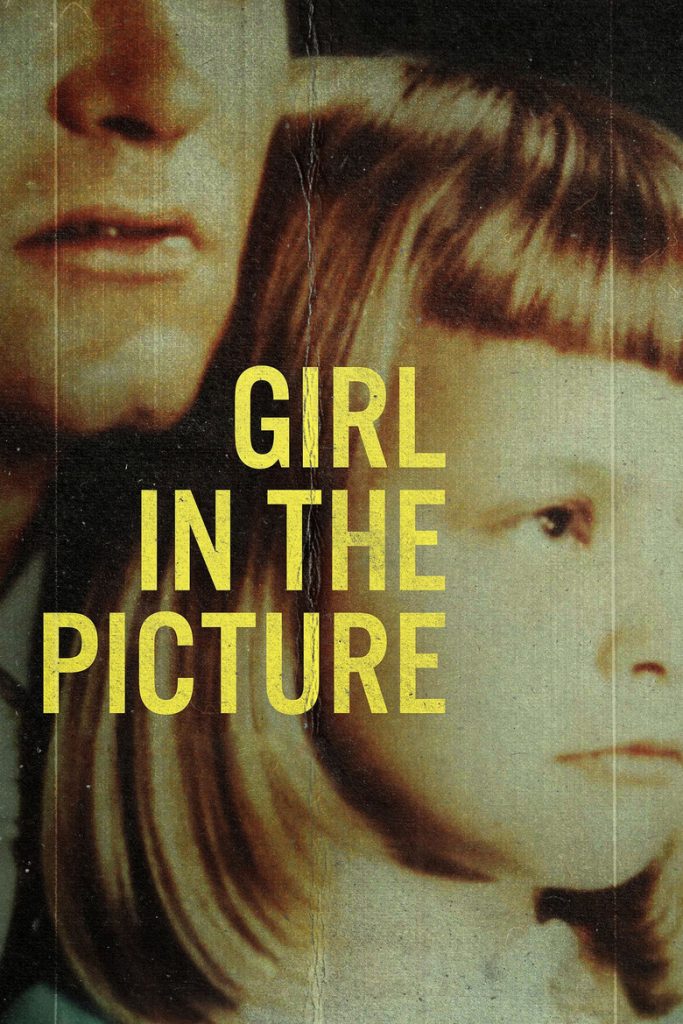
Story overview
This documentary investigates the mysterious death of a young mother and the kidnapping of her son, unraveling a complex decades-long case involving identity deception and a dangerous fugitive. It presents real-life crime through interviews, archival footage, and investigative reporting, focusing on factual storytelling rather than dramatization.
Parent Guide
This documentary presents mature true crime content suitable for older teens and adults. It deals with serious criminal activities including murder, kidnapping, and identity deception. While not graphically violent, the subject matter is intense and may be disturbing for younger viewers. Parental guidance is strongly recommended for viewers under 18.
Content breakdown
Discussions and descriptions of murder, kidnapping, and criminal activities. No graphic violence shown, but the implications and aftermath are discussed in detail. Includes crime scene photos and descriptions of violent acts.
Themes of deception, identity theft, murder, and child kidnapping are central to the documentary. Real crime scene footage and photos may be disturbing. The psychological manipulation and criminal behavior depicted could be unsettling for sensitive viewers.
Occasional mild profanity in interview segments. No strong or frequent offensive language.
No sexual content or nudity present in this documentary.
No depiction or discussion of substance use.
High emotional intensity due to the serious nature of the crimes discussed. Themes of loss, deception, and justice may provoke strong emotional responses. Interviews with affected individuals add to the emotional weight.
Parent tips
Preview this documentary yourself first to assess its suitability for your family. This true crime story deals with mature themes including murder, kidnapping, deception, and criminal investigation. Consider watching together with older teens to discuss the real-world implications of the case. Be prepared to answer questions about crime, justice, and personal safety.
Parent chat guide
Parent follow-up questions
—
- What do you think detectives do to solve mysteries?
- Why is it important to know who people really are?
- What should you do if you feel unsafe?
- How did investigators piece together the truth in this case?
- What makes someone pretend to be someone else?
- How can we protect our personal information?
- What did you learn about how crimes are solved?
- What psychological factors might drive someone to assume false identities?
- How does this case reflect broader issues in criminal justice?
- What ethical considerations arise in true crime documentaries?
- How can we balance awareness of danger with not living in fear?
- What systems failed the victims in this story and how could they be improved?
🎭 Story Kernel
At its core, 'Girl in the Picture' is less a true-crime procedural and more a devastating autopsy of systemic failure. The film's true subject isn't just Franklin Floyd's monstrous crimes, but the architecture of invisibility that allowed them to persist. It explores how a man could weaponize bureaucracy, transience, and societal indifference to erase a young woman's identity and rewrite her life as his property. The driving force isn't mystery, but a horrifying clarity—each revelation strips away another layer of the fiction Floyd constructed, revealing how Suzanne Sevakis (aka Tonya Hughes, aka Sharon Marshall) was systematically isolated and consumed by the predator posing as her protector. The documentary's power lies in showing that the horror wasn't in the shadows, but in the mundane paperwork and missed opportunities that failed her.
🎬 Visual Aesthetics
The visual language masterfully contrasts the banality of evil with its brutal consequences. Archival footage and home videos are presented in their raw, grainy quality, creating an unsettling intimacy and emphasizing these were real moments in a stolen life. Interviewees are often framed in tight, static shots against neutral backgrounds, forcing us to sit with their grief and guilt. The color palette is deliberately muted—washed-out blues and greys dominate the recreated scenes and evidentiary photos, reflecting the bleak, hopeless reality Suzanne endured. There's no stylized violence; the horror is conveyed through documents, school photos, and the chilling normalcy of the settings where atrocities occurred, making the truth feel inescapably real.
🔍 Details & Easter Eggs
💡 Behind the Scenes
The documentary is directed by Skye Borgman, who previously directed 'Abducted in Plain Sight,' another film examining how predators manipulate trust. Much of the most impactful archival material comes from the relentless work of amateur sleuths and journalists, whose research is woven into the narrative. The film faced ethical challenges in portraying Suzanne's story without further sensationalizing her trauma, leading to careful collaboration with surviving family members. Notably, some of the school and work records featured were unearthed only during production, highlighting how fragmented and hidden her true history remained for decades.
Where to watch
Choose region:
- Netflix
- Netflix Standard with Ads
Trailer
Trailer playback is unavailable in your region.