
Gladbeck: The Hostage Crisis (2022)
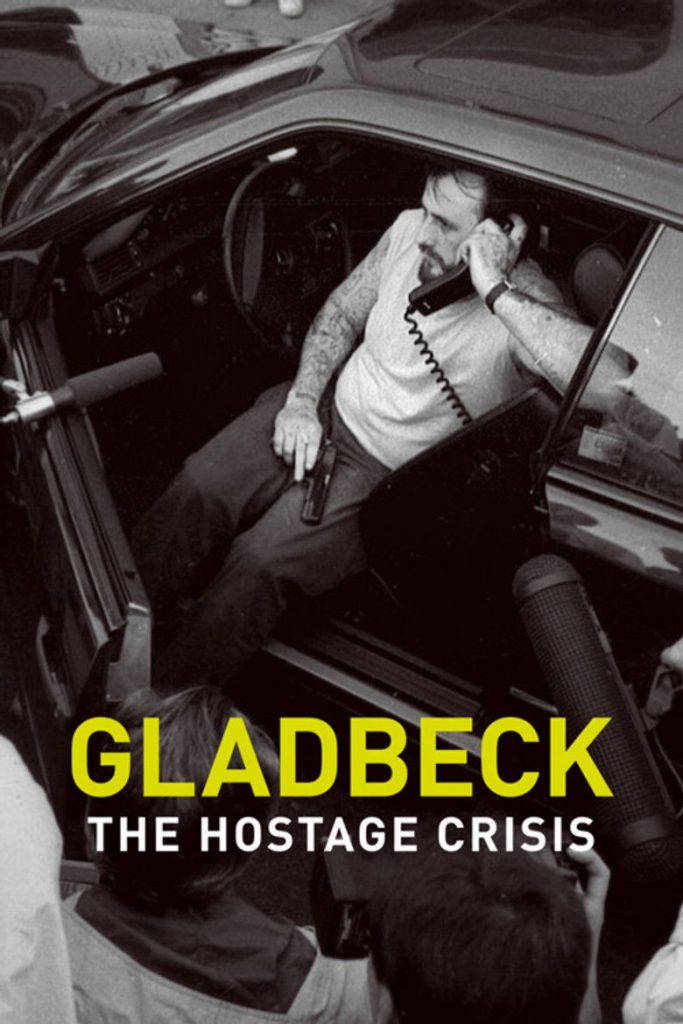
Story overview
This documentary examines the 1988 Gladbeck hostage crisis in Germany, where two armed bank robbers held hostages for 54 hours, resulting in a police shootout and three deaths. It uses archival footage and interviews to analyze the events and their impact.
Parent Guide
A tense documentary about a real-life hostage crisis with violent content and mature themes. Not suitable for children.
Content breakdown
Contains real footage and descriptions of armed robbery, hostage-taking, police standoffs, shootouts, and deaths. Graphic depictions of violence and peril throughout.
Real-life crisis situations with intense tension, fear, and traumatic outcomes. May be deeply disturbing due to its documentary nature and real deaths.
May include some strong language in interviews or archival audio, but not a primary focus.
No sexual content or nudity present.
No substance use depicted.
High emotional intensity due to real-life danger, fear, trauma, and tragic outcomes. Creates sustained tension and distress.
Parent tips
This documentary contains intense real-life violence and peril, including armed confrontations, hostage situations, and deaths. It may be disturbing for sensitive viewers. Recommended for mature audiences only.
Parent chat guide
Parent follow-up questions
—
—
- What do you think the police could have done differently?
- How do you think the hostages felt during the crisis?
- What ethical questions does this documentary raise about media coverage of crises?
- How does this event reflect on law enforcement and criminal justice systems?
- What long-term impacts might such traumatic events have on survivors and communities?
🎭 Story Kernel
At its core, 'Gladbeck: The Hostage Crisis' is a searing indictment of media ethics and public spectacle. The film documents the 1988 German hostage crisis not as a simple crime story, but as a horrifying case study in how live television coverage can escalate violence. The real driver isn't just the desperate criminals, Dieter Degowski and Hans-Jürgen Rösner, but the swarm of reporters who, in their hunger for exclusive footage, directly interfere with police negotiations and embolden the perpetrators. The film argues that the tragedy was co-authored by a media apparatus that prioritized ratings over human life, transforming a police operation into a grotesque, televised reality show where the hostages were the unwilling stars.
🎬 Visual Aesthetics
The film's power lies in its stark, unadorned visual approach. It is composed almost entirely of raw archival footage—grainy news broadcasts, shaky amateur recordings, and stark police documentation. There is no stylistic embellishment or dramatic reenactment. The camera language is one of passive, relentless observation, mirroring the intrusive gaze of the media scrum. The color palette is muted and realistic, dominated by the grays of asphalt and the clinical tones of 80s television studios. This aesthetic choice forces the viewer to confront the unvarnished reality of the event, making the moments where reporters shove microphones into terrified hostages' faces feel all the more visceral and ethically bankrupt.
🔍 Details & Easter Eggs
💡 Behind the Scenes
The documentary is crafted entirely from contemporaneous footage; the directors added no new interviews, music, or narration, making the archive itself the narrator. The most haunting audio comes from original radio interviews conducted by a reporter who was actually inside the getaway bus with the hostages and killers. The film's release reignited national debate in Germany about media regulations, leading some veteran journalists involved in the 1988 coverage to publicly defend or reassess their actions decades later.
Where to watch
Choose region:
- Netflix
- Netflix Standard with Ads
Trailer
Trailer playback is unavailable in your region.