
Godzilla Minus One (2023)
Story overview
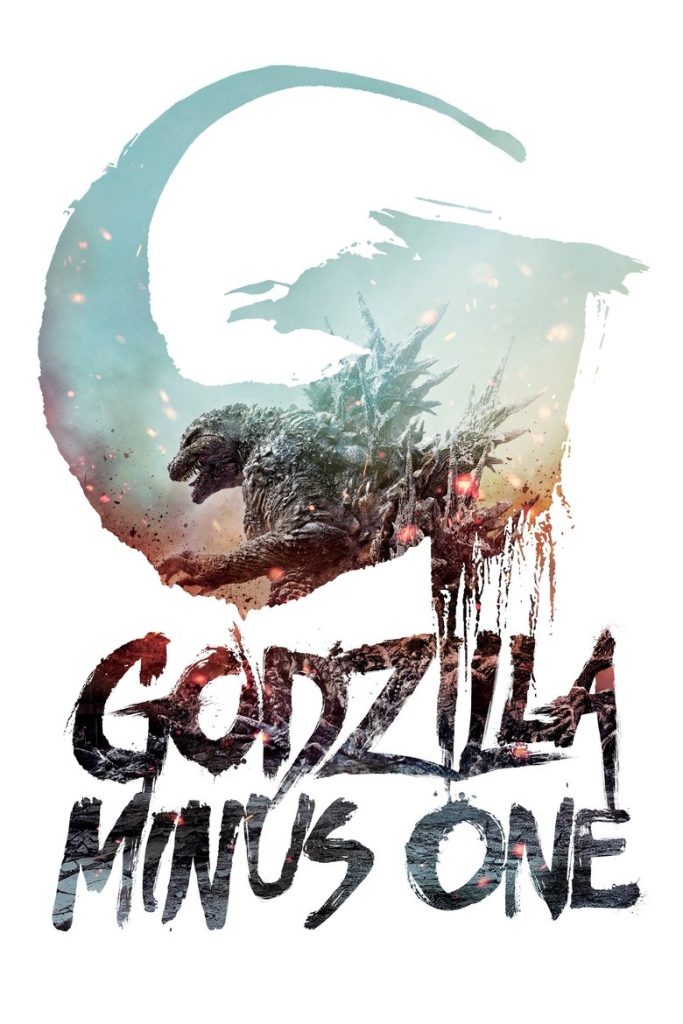
Godzilla Minus One is a 2023 science fiction horror action film set in post-World War II Japan. The movie depicts a nation rebuilding when a terrifying new threat emerges in the form of the iconic monster Godzilla. The story follows characters struggling to survive and protect their communities against this overwhelming force of destruction.
Parent Guide
A monster film with intense action and horror elements suitable for mature pre-teens and teenagers.
Content breakdown
Contains monster attacks, destruction of cities and buildings, and characters in perilous situations.
Features frightening monster imagery, intense destruction sequences, and suspenseful moments.
May contain minimal strong language consistent with PG-13 rating.
No significant sexual content or nudity expected in this type of monster film.
No substance use content expected in this genre film.
Contains tense sequences, scenes of destruction, and characters facing extreme danger.
Parent tips
This PG-13 rated monster film contains intense sequences of destruction, peril, and frightening imagery typical of the Godzilla franchise. The horror and action elements may be too intense for younger children, particularly scenes depicting widespread devastation and characters in life-threatening situations. Parents should consider their child's sensitivity to monster movies and disaster scenarios before viewing.
Parent chat guide
Parent follow-up questions
- What did you think about the big monster in the movie?
- How did the people try to stay safe from the monster?
- What was your favorite part of the movie?
- How did the characters work together to face the monster?
- What would you do if you saw something scary like that in real life?
- Why do you think stories about big monsters are interesting to people?
- What qualities helped the characters survive the monster attacks?
- How does this movie compare to other monster movies you've seen?
- What do you think the monster might represent in the story?
- How does the film use the monster to explore themes of trauma and recovery?
- What historical or social commentary might be present in this monster narrative?
- How effective were the film's techniques in creating tension and fear?
🎭 Story Kernel
Set in the immediate aftermath of WWII, the film explores Japan’s transition from zero to minus one through the lens of Koichi Shikishima, a kamikaze pilot who failed to fulfill his mission. It is a profound meditation on PTSD and the collective trauma of a nation that has lost its sense of worth. Unlike many predecessors, this entry prioritizes the human cost of war, framing Godzilla not just as a radioactive disaster, but as a physical manifestation of the protagonist's unresolved shame. The narrative arc pivots from the traditional glorification of sacrificial death toward a radical insistence on the sanctity of life. By stripping away government intervention, the story emphasizes that true recovery comes from the grassroots resilience of a people choosing to live for one another rather than dying for a failed state.
🎬 Visual Aesthetics
Takashi Yamazaki employs a gritty, period-accurate aesthetic that contrasts the mundane struggle of post-war reconstruction with the overwhelming scale of the monster. The Ginza attack sequence is a masterclass in perspective, using low-angle shots to ground the viewer in the terrifying vulnerability of the civilians. Godzilla’s design—jagged, asymmetrical, and perpetually regenerating—evokes a sense of raw, unrefined agony. The use of black rain following the atomic breath blast serves as a chilling visual metaphor for the nuclear fallout of Hiroshima and Nagasaki, grounding the fantasy in historical horror. The visual effects, remarkably achieved on a modest budget, prioritize texture and weight, making the creature feel like a tangible, crushing force of nature rather than a digital asset.
🔍 Details & Easter Eggs
💡 Behind the Scenes
Director Takashi Yamazaki also served as the film's visual effects supervisor, leading a small team of roughly 35 artists at Shirogumi. This hands-on approach allowed for incredible efficiency, leading the film to win the Academy Award for Best Visual Effects—the first time a Godzilla film has ever been nominated or won an Oscar. The film was produced to celebrate the franchise's 70th anniversary. Despite its high-end look, the budget was reportedly under $15 million, a fraction of contemporary Hollywood blockbusters, proving that creative vision and technical ingenuity can outweigh massive financial expenditure.
Where to watch
Choose region:
- Netflix
- Netflix Standard with Ads
- Amazon Video
- Apple TV
- Google Play Movies
- YouTube
- Fandango At Home
- Plex
Trailer
Trailer playback is unavailable in your region.