
Going Clear: Scientology and the Prison of Belief (2015)
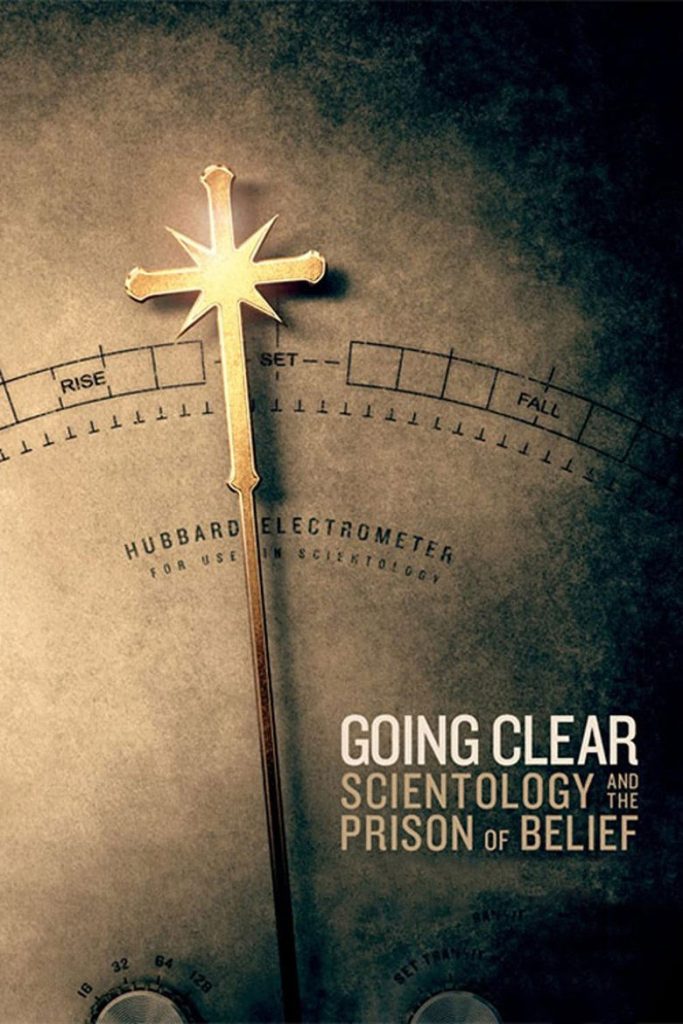
Story overview
This documentary examines the Church of Scientology through interviews with former members, exploring its recruitment practices, internal operations, and controversial aspects. It presents critical perspectives on the organization's history, financial practices, and treatment of members, framed as an investigative look at belief systems and institutional power.
Parent Guide
A critical documentary examining Scientology through former members' accounts. Contains mature themes about belief systems, manipulation, and institutional practices. Requires analytical thinking and emotional maturity.
Content breakdown
Discussions of psychological pressure and institutional control rather than physical violence. References to legal battles and organizational conflicts.
Accounts of psychological manipulation, family separation, and coercive practices within the organization. Descriptions of surveillance and control tactics that may be unsettling.
Occasional strong language in interview segments. Some profanity when former members express frustration or anger.
No sexual content or nudity present.
No depiction or discussion of substance use.
Emotional interviews with former members discussing trauma, loss, and disillusionment. Themes of betrayal and psychological harm may be intense for sensitive viewers.
Parent tips
This film deals with mature themes including psychological manipulation, institutional abuse, and religious controversy. It contains discussions of coercive practices, emotional trauma, and legal battles. The content is analytical and may be confusing or disturbing for younger viewers. Best suited for mature teens who can process complex social critiques.
Parent chat guide
Parent follow-up questions
—
—
- What is a documentary?
- What does 'controversial' mean?
- Why do people join different groups?
- What evidence did the documentary present about Scientology's practices?
- How do belief systems sometimes become harmful?
- What responsibility do organizations have toward their members?
- How can documentaries influence public perception?
- What are the ethical considerations when investigating religious groups?
🎭 Story Kernel
At its core, 'Going Clear' isn't just about Scientology's controversial practices—it's a chilling examination of how systems of belief can systematically dismantle individual autonomy. The film exposes how L. Ron Hubbard's science fiction background directly informed the creation of a religion that operates like a corporate franchise, where faith is monetized and dissent is punished through psychological manipulation and legal warfare. Through former members' testimonies, we witness how the promise of spiritual enlightenment becomes a trap, revealing the human need for belonging exploited to create absolute loyalty. The driving force isn't religious fervor but the calculated construction of a reality where questioning equals betrayal, making escape both physically dangerous and psychologically devastating.
🎬 Visual Aesthetics
The documentary employs a stark visual contrast between the glossy, controlled imagery of Scientology's public face and the raw, intimate interviews with former members. Director Alex Gibney uses archival footage of L. Ron Hubbard's early days—often grainy and dated—juxtaposed against crisp, contemporary shots of Scientology's sterile, corporate-looking facilities. This visual dichotomy mirrors the film's central tension between myth and reality. The interview segments are shot with simple, direct framing, placing emphasis on the emotional weight of the testimonies rather than cinematic flair. Color palettes shift from the warm, inviting tones of promotional materials to the cool, clinical blues and grays of the interview settings, visually reinforcing the transition from recruitment fantasy to institutional reality.
🔍 Details & Easter Eggs
💡 Behind the Scenes
Director Alex Gibney faced unprecedented legal threats during production, with Scientology hiring 160 lawyers to pressure interviewees and distributors. The film's most explosive interviews came from former high-ranking officials like Oscar-winning director Paul Haggis, who left after 35 years. Gibney intentionally avoided using actors or recreations, relying solely on archival footage and firsthand testimonies to maintain documentary integrity. The film's release prompted Scientology to produce its own documentary response and launch a massive public relations campaign attacking Gibney's credibility, making the production itself part of the ongoing conflict it documents.
Where to watch
Choose region:
- HBO Max
- HBO Max Amazon Channel
- The Roku Channel
- Pluto TV
- Amazon Prime Video Free with Ads
- Tubi TV
- Amazon Video
- Google Play Movies
- YouTube
- Fandango At Home
Trailer
Trailer playback is unavailable in your region.