
GomBurZa (2023)
Story overview
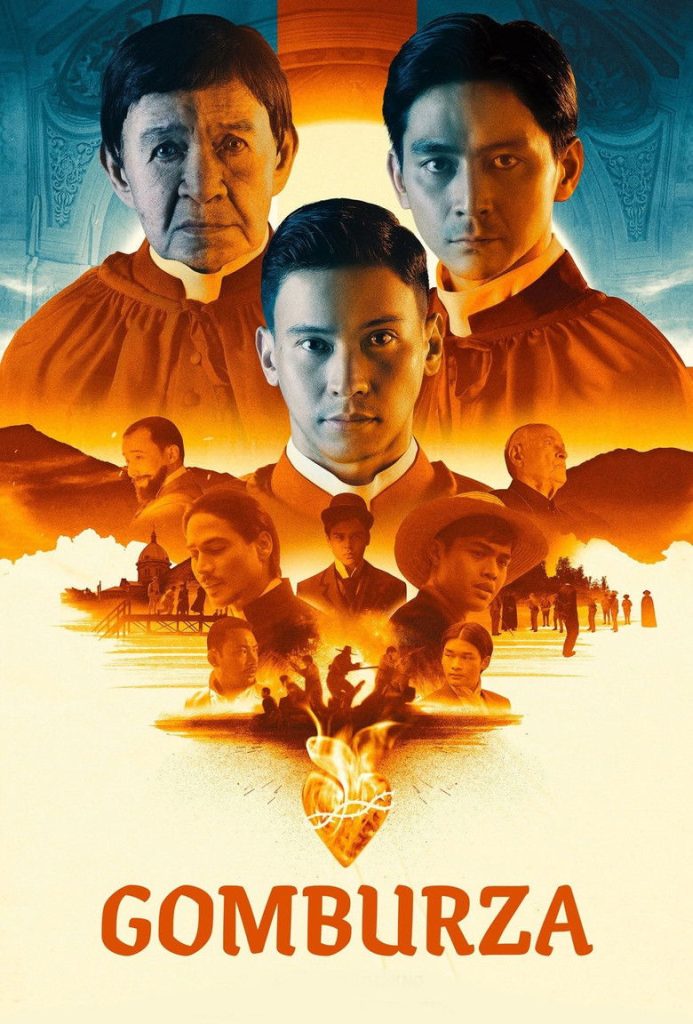
GomBurZa is a 2023 historical drama film that explores a significant event in Philippine history. The movie focuses on the story of three Filipino priests who were executed during the Spanish colonial period, highlighting themes of faith, resistance, and national identity. It portrays their struggles and the historical context that led to their martyrdom, offering viewers an educational look at this pivotal moment.
Parent Guide
Historical drama about martyrdom and colonial resistance with mature themes suitable for older children.
Content breakdown
Historical depictions of oppression, persecution, and execution themes
Themes of injustice, persecution, and impending execution may be disturbing
No specific language concerns indicated
No sexual content or nudity indicated
No substance use indicated
Serious themes of sacrifice, injustice, and historical tragedy
Parent tips
This historical drama deals with mature themes including colonial oppression, religious persecution, and execution. While the film is educational, parents should be prepared to discuss these serious topics with children, particularly regarding historical injustice and martyrdom.
Consider your child's sensitivity to themes of injustice and death before viewing. The film may be most appropriate for older children who can process historical context and understand the significance of the events portrayed.
This movie provides an opportunity to discuss Philippine history, colonialism, and the role of faith in social movements. Parents may want to provide additional historical context to help children understand the time period and events depicted.
Parent chat guide
You could explore themes of standing up for beliefs and the concept of sacrifice for a greater cause. Ask your child how they think the characters felt during their struggles and what they might have done in similar circumstances.
Consider discussing how historical dramas help us understand the past and connect it to present-day issues. Talk about the importance of remembering historical figures and events that shaped national identity.
Parent follow-up questions
- What did you see in the movie?
- Who were the main people in the story?
- What colors or places did you notice?
- How did the music make you feel?
- What was your favorite part?
- What was the movie about?
- Why were the priests important in the story?
- What did you learn about history from this movie?
- How did the characters show bravery?
- What questions do you have about what happened?
- What historical period does this movie show?
- Why do you think this story is important to remember?
- How did the movie help you understand Philippine history?
- What challenges did the characters face?
- What does this story teach us about standing up for beliefs?
- What historical context is necessary to understand this film?
- How does this movie portray the relationship between religion and politics?
- What contemporary relevance does this historical event have?
- How does the film handle themes of sacrifice and martyrdom?
- What film techniques were used to convey the historical significance?
🎭 Story Kernel
The film transcends the typical historical biopic by focusing on the intellectual and spiritual awakening of the Filipino identity. It centers on the secularization movement within the Catholic Church, led by Padre Pedro Pelaez and his protégé, Jose Burgos. The narrative explores how a localized struggle for clerical equality evolved into a broader demand for justice and recognition. It depicts the three priests—Gomez, Burgos, and Zamora—not as monolithic saints, but as men caught in the crosshairs of a paranoid colonial government. The story is less about the act of rebellion and more about the systemic injustice that transformed three disparate individuals into a singular, potent symbol of national consciousness, effectively bridging the gap between the Spanish era and the eventual revolution led by the next generation.
🎬 Visual Aesthetics
Director Pepe Diokno and cinematographer Carlo Canlas Mendoza utilize a somber, chiaroscuro-heavy aesthetic that mirrors the suffocating atmosphere of 19th-century colonial rule. The visual language relies heavily on naturalistic lighting—flickering candles and dim lanterns—to create a sense of intimacy and impending doom. The framing often isolates the protagonists against the cold, imposing stone architecture of the church and the state, emphasizing their vulnerability. Symbolism is found in the recurring motif of light and shadow, representing the struggle for enlightenment amidst institutional darkness. The final execution sequence is shot with a clinical, agonizing stillness, stripping away any romanticism to reveal the raw, visceral horror of the garrote, ensuring the viewer feels the weight of the injustice rather than just observing it.
🔍 Details & Easter Eggs
💡 Behind the Scenes
GomBurZa was the most decorated film at the 49th Metro Manila Film Festival, winning major awards including Best Director, Best Actor for Cedrick Juan, and Best Cinematography. Cedrick Juan’s portrayal of Jose Burgos was a breakout performance, as he was cast after an extensive search that favored theatrical talent over mainstream star power. The production was a collaboration between Jescom Films and MQuest Ventures, with a heavy emphasis on historical accuracy in both the liturgical Latin used and the period-accurate costumes. Director Pepe Diokno spent years in development to ensure the film moved away from textbook caricatures toward humanized portrayals.
Where to watch
Choose region:
- Netflix
- Netflix Standard with Ads
Trailer
Trailer playback is unavailable in your region.