
Gone Girl (2014)
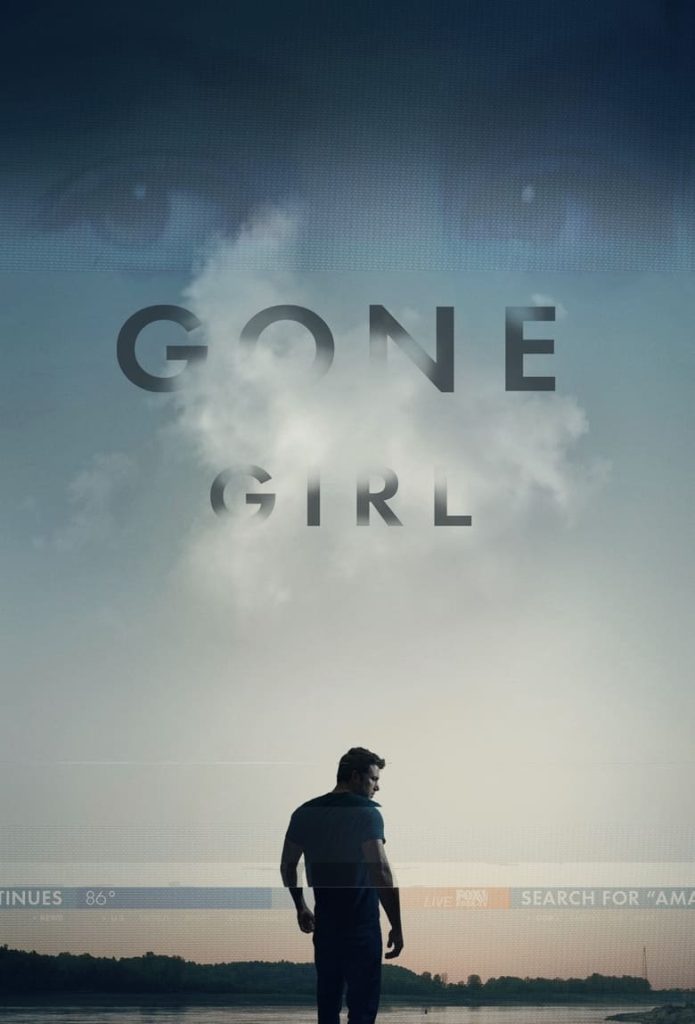
Story overview
Gone Girl is a psychological thriller about a marriage that unravels after the wife's mysterious disappearance. The film explores themes of deception, media manipulation, and the complexities of relationships under intense public scrutiny. As the investigation unfolds, it reveals disturbing truths about both partners and the pressures of maintaining appearances.
Parent Guide
A mature psychological thriller with intense themes about marriage, deception, and media manipulation.
Content breakdown
Contains scenes of peril, implied violence, and some graphic moments related to the central mystery.
Psychological tension and disturbing revelations about relationships create sustained unease.
Includes strong language and profanity throughout the film.
Contains sexual situations, references, and some nudity in context of relationships.
Some social drinking and references to alcohol use.
High emotional tension throughout with themes of betrayal, manipulation, and psychological distress.
Parent tips
This R-rated film contains mature themes including psychological manipulation, marital conflict, and intense emotional situations. The story deals with deception, media sensationalism, and disturbing relationship dynamics that may be confusing or upsetting for younger viewers. Parents should be aware that the film includes some violent scenes, strong language, and sexual content that make it inappropriate for children.
Parent chat guide
Parent follow-up questions
- How do people show they care about each other?
- What makes you feel safe with your family?
- How do we tell the truth to people we love?
- Why is it important to be honest with people?
- How can we solve problems without fighting?
- What makes a relationship healthy or unhealthy?
- How does the media affect how we see people?
- What are healthy ways to handle disagreements?
- Why might someone pretend to be someone they're not?
- How does the film explore the pressure to maintain appearances?
- What role does manipulation play in relationships?
- How does media coverage influence public perception of personal issues?
🎭 Story Kernel
Gone Girl explores the terrifying performance of identity in modern relationships. The film isn't about a missing wife but about how both Nick and Amy construct personas to survive—Amy as the 'Cool Girl' and perfect victim, Nick as the grieving husband. Their marriage becomes a media spectacle where authenticity is irrelevant; what matters is whose narrative wins. The driving force isn't love or hate, but control—over stories, public perception, and each other. The chilling conclusion reveals they're trapped in a mutually assured destruction pact, performing their 'perfect' marriage for eternity, making the prison of their relationship more terrifying than any jail cell.
🎬 Visual Aesthetics
Fincher's signature cool, desaturated palette creates emotional distance, mirroring the characters' detachment. The camera often observes clinically, like a detective or audience member judging the spectacle. Warm tones appear only in Amy's fabricated diary entries—false nostalgia. The 'Cool Girl' monologue is shot with Amy directly addressing the camera, breaking the fourth wall to implicate the viewer in consuming these performances. The Missouri locations feel oppressively mundane, making the psychological horror more unsettling. The film's visual rhythm—precise, controlled, methodical—mirrors Amy's meticulous plotting, turning domestic spaces into crime scenes and media stages.
🔍 Details & Easter Eggs
💡 Behind the Scenes
Rosamund Pike studied real-life 'cool girls' and true crime documentaries to craft Amy's calculated performance. The Missouri locations were specifically chosen for their 'anywhere America' blandness to heighten the surreal horror. Fincher shot numerous takes of the 'Cool Girl' monologue to achieve Pike's perfectly detached delivery. Ben Affleck's experience with media scrutiny during his relationship with Jennifer Lopez informed his portrayal of Nick's public persecution. The film's ending was debated—Flynn's script originally had more ambiguity about whether Nick would stay, but Fincher pushed for the darker, more definitive trapped-together conclusion.
Where to watch
Choose region:
- HBO Max
- HBO Max Amazon Channel
- Amazon Video
- Apple TV
- Google Play Movies
- YouTube
- Fandango At Home
Trailer
Trailer playback is unavailable in your region.