GoodFellas (1990)
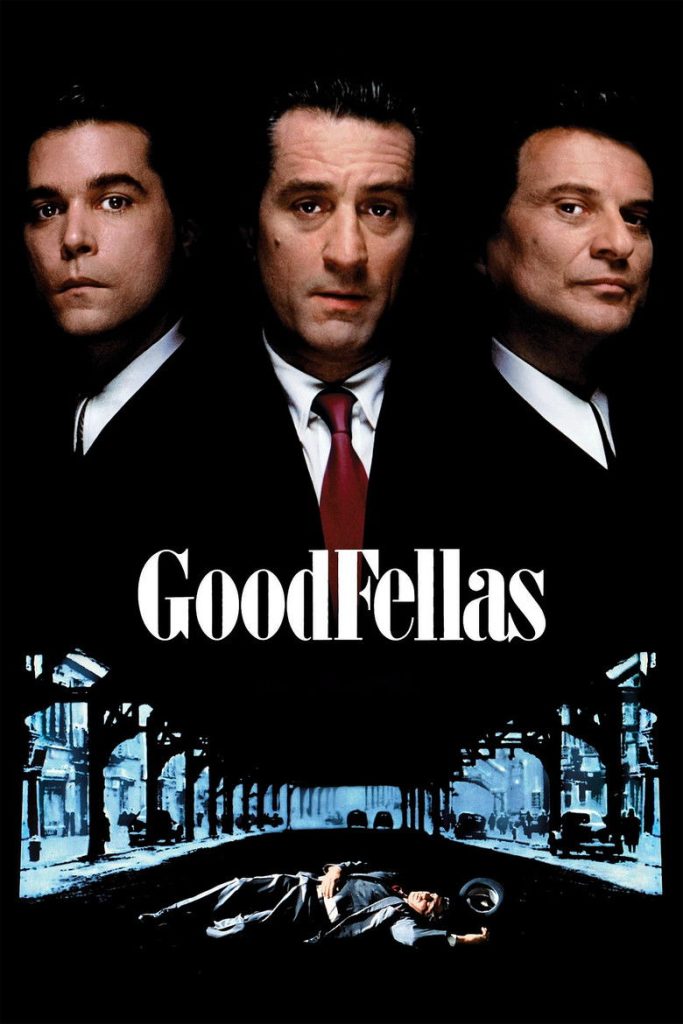
Story overview
GoodFellas is a crime drama based on the true story of Henry Hill, who becomes involved with organized crime as a young man in Brooklyn. The film follows his journey as he rises through the ranks of a Mafia family under the mentorship of experienced gangsters. It portrays the allure and consequences of the criminal lifestyle, showing both the glamour and violence of that world.
Parent Guide
A mature crime drama with intense violence, strong language, and substance abuse throughout, suitable only for older teens with parental guidance.
Content breakdown
Frequent graphic violence including shootings, beatings, and threats; criminal activities depicted realistically
Intense scenes of criminal violence and peril; characters in constant danger
Pervasive profanity including racial slurs and sexual references
Sexual references and situations; brief nudity in context
Frequent smoking, drinking, and drug use throughout; substance abuse normalized
High-stakes criminal situations; betrayal and moral conflicts; intense relationships
Parent tips
This film contains strong violence, pervasive profanity, and substance abuse throughout. The R rating reflects its mature content, including graphic depictions of criminal activities and their brutal consequences. Parents should be aware that the film glamorizes criminal behavior while also showing its destructive outcomes, which could send mixed messages to impressionable viewers.
Parent chat guide
Parent follow-up questions
- What did you notice about how people treated each other?
- How did the music make you feel during different parts?
- What colors or places did you remember most?
- Did you see any kind or unkind actions?
- What was your favorite part to watch?
- Why do you think the main character made the choices he did?
- How did the friends in the movie help or hurt each other?
- What consequences did you see for people's actions?
- How did the movie make you feel about right and wrong?
- What would you do differently if you were in that situation?
- What messages does the film send about success and morality?
- How does the movie portray violence versus its real consequences?
- What role does loyalty play in the characters' decisions?
- How do the characters' lifestyles affect their families?
- What alternatives to crime could the characters have chosen?
- How does the film critique versus glorify criminal lifestyles?
- What societal factors contribute to characters' choices?
- How does the film use style and music to influence viewer perception?
- What ethical dilemmas do characters face throughout the story?
- How does the film handle themes of betrayal and consequences?
🎭 Story Kernel
GoodFellas is fundamentally about the seduction and corruption of the American Dream through organized crime. It's not a gangster epic about power, but a detailed autopsy of a specific lifestyle's allure and inevitable decay. Henry Hill isn't driven by ambition for a throne, but by a childish, insatiable hunger for status, immediate gratification, and belonging. The film meticulously charts how the intoxicating perks—skipping lines, commanding respect without earning it, endless cash—systematically hollow out his morality and humanity. The core tragedy is that Henry achieves his twisted version of the dream, only to find it's a gilded cage that destroys everything it promised to provide, leaving him a paranoid, miserable nobody in witness protection, mourning the very prison he escaped.
🎬 Visual Aesthetics
Scorsese's camera in GoodFellas is a participant, not an observer. It glides with Henry through the Copacabana's back entrance in that legendary single take, embodying the seamless, glamorous access the life provides. The palette shifts from the warm, golden hues of the 60s heyday—all saturated red sauce and sharp suits—to the cold, garish, cocaine-bleached whites and blues of the 70s decline. Violence is brutally matter-of-fact; Tommy's murder is shocking not for its style but for its sudden, bureaucratic coldness. The frantic, hand-held chaos of the 'May 11th, 1980' sequence visually mirrors Henry's psychological unraveling, making the audience feel his accelerating paranoia and loss of control.
🔍 Details & Easter Eggs
💡 Behind the Scenes
Many actors, including Robert De Niro, spent time with the real-life figures they portrayed. De Niro famously badgered the real Jimmy Conway for minute details, like how he held a cigarette. The iconic 'Layla' piano coda montage of dead bodies was a last-minute editing decision by Scorsese and editor Thelma Schoonmaker. Lorraine Bracco's Karen was originally written as a more stereotypical mob wife, but Bracco's fierce, grounded performance, drawing on her own Brooklyn upbringing, radically reshaped the character into the film's moral anchor. The movie was shot largely on location in Queens and Brooklyn, using real diners and neighborhoods to ground its hyper-realistic style.
Where to watch
Choose region:
- fuboTV
- YouTube TV
- Paramount Plus Essential
- Paramount Plus Premium
- Amazon Video
- Apple TV
- Google Play Movies
- YouTube
- Fandango At Home
- Spectrum On Demand
Trailer
Trailer playback is unavailable in your region.