
Goodnight Moon & Other Sleepytime Tales (1999)
Story overview
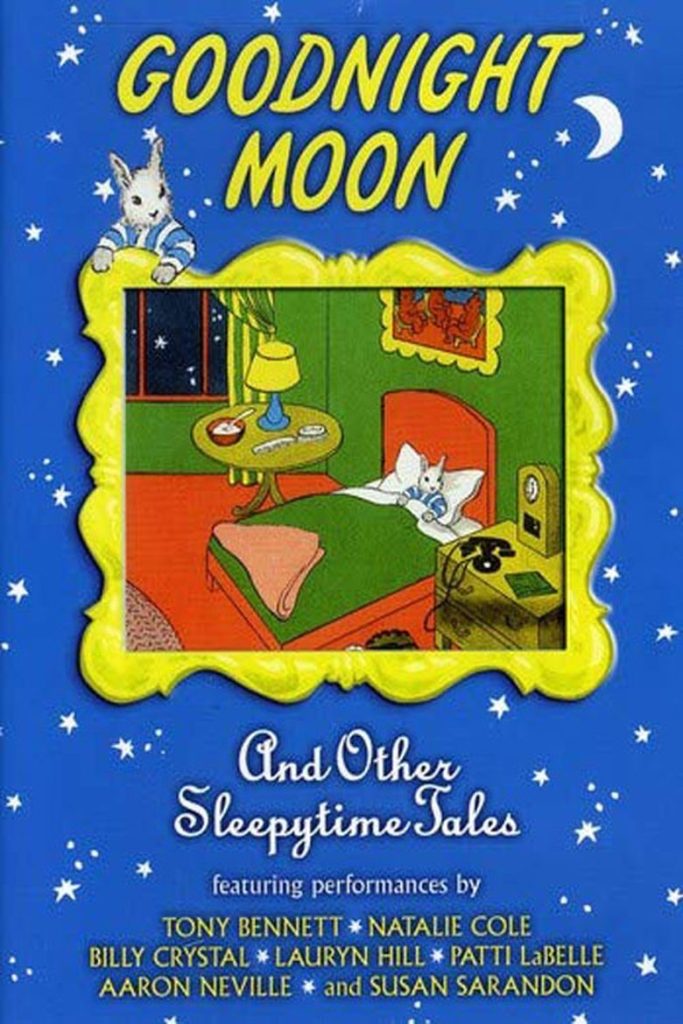
This 27-minute animated collection adapts Margaret Wise Brown's classic bedtime story 'Goodnight Moon' along with other sleepytime tales. Featuring celebrity narrators and singers like Susan Sarandon, Billy Crystal, and Lauryn Hill, it presents gentle stories and songs designed to help children wind down for sleep. The program includes segments with real children discussing bedtime routines, creating a comforting viewing experience focused on nighttime rituals.
Parent Guide
A gentle, age-appropriate collection of bedtime stories and songs designed to help children wind down for sleep.
Content breakdown
No violence or peril present in this calming bedtime collection.
One story mentions a 'nightmare in my closet' but presents it in a gentle, reassuring manner.
No inappropriate language; all dialogue is child-friendly.
No sexual content or nudity in this family program.
No substance use depicted or referenced.
Gentle, calming emotional tone throughout; designed to soothe rather than excite.
Parent tips
This program is specifically designed as a calming bedtime resource for young children. The TV-Y rating indicates it's appropriate for all ages, with content suitable for preschoolers and early elementary viewers. Parents can use this collection to establish positive bedtime routines, as it models healthy sleep habits through gentle storytelling and music.
Parent chat guide
Parent follow-up questions
- What was your favorite bedtime story in the show?
- Do you have a special way you say goodnight to things in your room?
- What helps you feel sleepy at bedtime?
- Which singer's voice did you like best?
- What do you think the bunny will dream about?
- How do the different stories help children get ready for sleep?
- What did you learn from the real kids talking about bedtime?
- Which story had the best message about nighttime?
- How do the songs make you feel?
- What would you add to your own bedtime routine after watching this?
- Why do you think bedtime routines are important for children?
- How do the different celebrity voices affect the storytelling?
- What techniques does the program use to create a calming atmosphere?
- How might this program help children who have trouble sleeping?
- What makes 'Goodnight Moon' such an enduring children's classic?
- How does this program use multimedia elements to engage young viewers?
- What cultural values about sleep and bedtime does the collection promote?
- How effective are celebrity narrators in children's programming?
- What psychological techniques for relaxation can you identify in the stories?
- How might this type of content evolve for different age groups?
🎭 Story Kernel
The film is less about bedtime and more about the architecture of comfort itself. It explores how ritual and repetition build a psychological safe space, not just for the child but for the adult narrator. The driving force isn't plot, but the gentle, relentless rhythm of affirmation—each 'goodnight' is a tiny act of control over the vast, unknown night. The characters are driven by the universal parental urge to impose order and love onto chaos, making the familiar room a universe contained. It's a meditation on the power of routine as a sacred, stabilizing force in an unpredictable world.
🎬 Visual Aesthetics
The visual language is a masterclass in intimate scale. The camera adopts a slow, panning gaze, mimicking a child's drifting attention across the room. The color palette is dominated by warm, muted tones—deep blues, soft reds, and creamy yellows—that feel both cozy and slightly surreal under the dim lamplight. There's a deliberate flatness to the compositions, echoing the storybook illustrations, which makes the few moments of subtle movement (the flickering fire, the drifting moon outside the window) profoundly impactful. The action style is one of gradual diminishment, a visual quieting that leads the viewer into a state of calm observation.
🔍 Details & Easter Eggs
💡 Behind the Scenes
The film is an adaptation of several Margaret Wise Brown stories, primarily 'Goodnight Moon,' and was produced by HBO in the 1990s. It features narration by acclaimed actress Susan Sarandon, whose calm, resonant voice was specifically chosen for its lack of overt theatricality to enhance the lullaby effect. The production meticulously recreated the iconic illustrations by Clement Hurd, using a combination of traditional animation and live-action miniature sets to achieve its storybook-come-to-life aesthetic. It was shot on film to preserve the rich, textured quality of the colors, a detail often lost in later digital transfers.
Where to watch
Choose region:
- HBO Max
- HBO Max Amazon Channel