
Gran Torino (2008)
Story overview
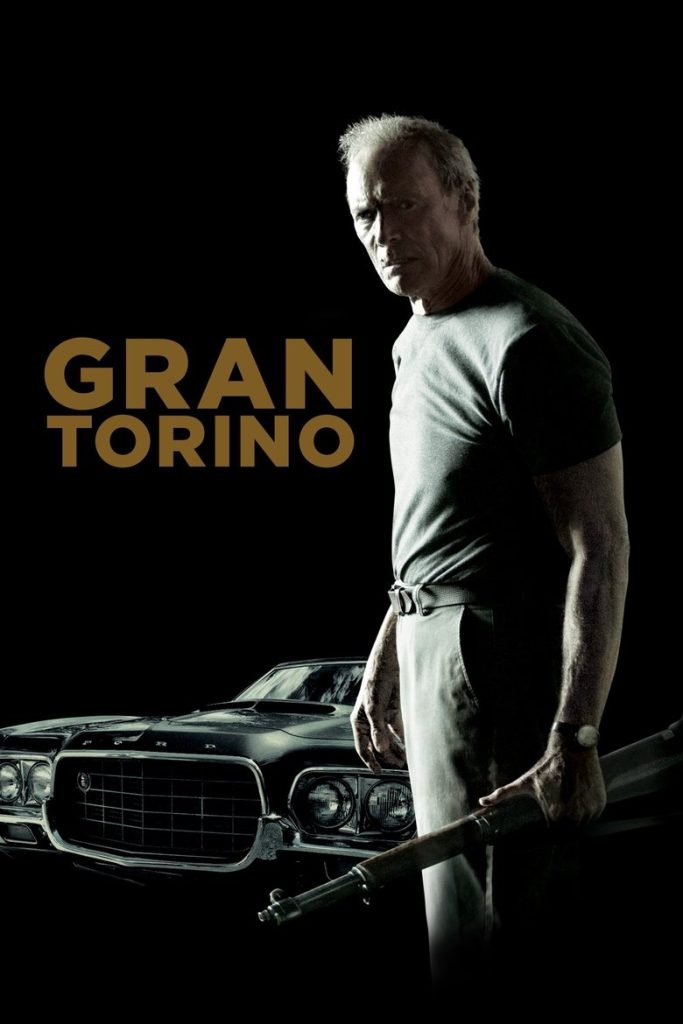
Gran Torino follows Walt Kowalski, a grumpy Korean War veteran living in a changing neighborhood. When a Hmong teenager named Thao tries to steal Walt's prized 1972 Gran Torino car, an unlikely relationship develops between them. The film explores themes of prejudice, redemption, and cultural understanding as Walt confronts his own biases while trying to protect his neighbors from local gang violence.
Parent Guide
Mature drama with strong language, violence, and themes of racism and redemption best suited for older teens.
Content breakdown
Several scenes of violence including shootings, beatings, threats with weapons, and gang violence resulting in blood and injuries.
Themes of mortality, gang threats, and racial tension may be disturbing. Some intense confrontations and emotional scenes.
Frequent strong profanity throughout. Racial slurs and offensive language are central to character development and themes.
Brief sexual references and innuendo. No nudity or explicit sexual scenes.
Characters drink alcohol regularly, including beer and liquor. Smoking is shown throughout the film.
High emotional intensity dealing with themes of loss, prejudice, mortality, and redemption. Several emotionally charged scenes.
Parent tips
This R-rated drama contains strong language throughout, including racial slurs and frequent profanity. There are several violent scenes including shootings, beatings, and threats that result in blood and injuries. The film deals with mature themes of racism, gang violence, and mortality that may be disturbing for younger viewers.
Parents should be aware that the main character expresses significant racial prejudice that evolves throughout the story. The film includes scenes of substance use (alcohol and smoking) and emotional intensity surrounding death and violence. While the film ultimately conveys positive messages about overcoming prejudice and community protection, the mature content requires careful consideration for younger audiences.
Parent chat guide
After watching, focus conversations on the film's themes rather than specific violent scenes. Discuss how Walt's attitudes change throughout the story and what the film says about community, protection, and overcoming prejudice. Ask what your child thought about the relationships between different characters and cultures in the neighborhood.
Parent follow-up questions
- What did you think about the car in the movie?
- How did the people in the neighborhood help each other?
- What makes someone a good neighbor?
- What did you notice about how people talked to each other?
- What was your favorite part of the story?
- Why do you think Walt was so grumpy at the beginning?
- How did Walt's feelings change about his neighbors?
- What does it mean to protect someone?
- Why is it important to understand people who are different from us?
- What did you learn about how people can change?
- How does the film show different ways people deal with conflict?
- What messages does the film give about standing up for others?
- How does Walt's past experiences affect how he sees the world?
- What does the film show about cultural misunderstandings?
- How do characters in the film show courage in different ways?
- How does the film explore themes of redemption and second chances?
- What commentary does the film make about aging and legacy?
- How are prejudice and racism portrayed and challenged in the story?
- What does the film suggest about the cycle of violence in communities?
- How does the setting and neighborhood changes reflect larger social issues?
🎭 Story Kernel
At its core, 'Gran Torino' explores the death of the American Dream and the birth of human connection in its ruins. Walt Kowalski isn't just a racist—he's a man haunted by the ghosts of Korea, his dead wife, and a changing neighborhood that no longer resembles the America he fought for. His transformation isn't about becoming 'woke' but about rediscovering purpose through protection. The Hmong family represents everything Walt fears, yet their vulnerability becomes the catalyst for his redemption. The film's true tragedy is that Walt can only find meaning through sacrifice, suggesting that sometimes the only way to save a community is to leave it.
🎬 Visual Aesthetics
Eastwood's direction is characteristically sparse and unadorned, with static shots that mirror Walt's rigid worldview. The camera lingers on faces during racial slurs, forcing viewers to sit with the discomfort. The Gran Torino itself gleams in washed-out neighborhood shots—a metallic ghost of better days. Most powerful are the quiet moments: Walt teaching Thao to 'be a man' with tools instead of weapons, or the final shot of the dog on the porch, now without his master. The color palette moves from cold blues and grays to warmer tones as Walt's humanity thaws, culminating in the bright white of his funeral shirt—his final uniform.
🔍 Details & Easter Eggs
💡 Behind the Scenes
Clint Eastwood performed all of Walt's coughing fits authentically—he was actually developing a cold during filming. The Hmong actors were primarily non-professionals from the Midwest Hmong community, with Bee Vang (Thao) being a high school student with no prior acting experience. Eastwood insisted on filming in Detroit despite safety concerns, using actual decaying neighborhoods as backdrop. The Gran Torino was one of two used; the other was a stripped shell for crash scenes. Notably, Eastwood sang the closing song 'Gran Torino' himself in one take.
Where to watch
Choose region:
- Amazon Video
- Apple TV
- Google Play Movies
- YouTube
- Fandango At Home
- Spectrum On Demand
Trailer
Trailer playback is unavailable in your region.