Grave of the Fireflies (1988)
Story overview
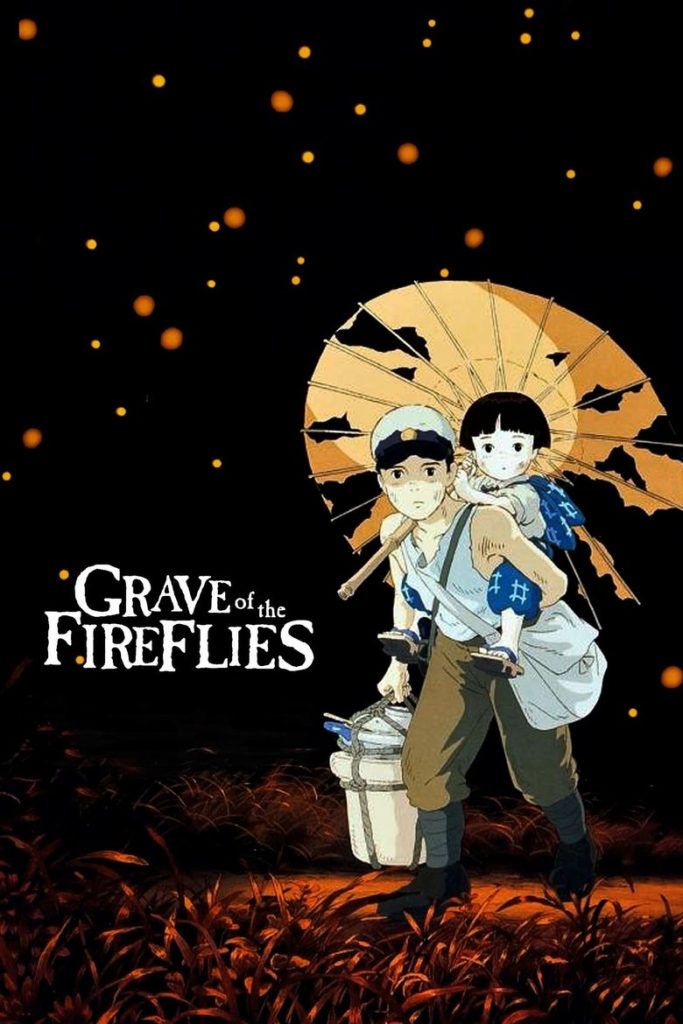
This animated film tells the heartbreaking story of two Japanese siblings struggling to survive during the final months of World War II. After losing their mother in an air raid and facing difficulties with their remaining relatives, the brother and sister attempt to live independently in an abandoned shelter. The film portrays their daily challenges with food scarcity, shelter, and emotional trauma as they navigate a war-torn environment. It's a powerful exploration of resilience, family bonds, and the human cost of conflict.
Parent Guide
A deeply emotional animated film about siblings surviving wartime hardships, best suited for mature children with parental guidance.
Content breakdown
War-related peril including air raids and bombings shown indirectly; characters face life-threatening situations due to starvation and lack of shelter.
Emotionally intense themes of loss, hunger, and survival; children in deteriorating circumstances; potentially upsetting for sensitive viewers.
No offensive language noted; dialogue focuses on survival and family relationships.
No sexual content or nudity present.
No substance use depicted.
High emotional impact due to themes of loss, survival struggles, and sibling bonds; may provoke strong emotional responses.
Parent tips
This is an emotionally intense film about children experiencing the harsh realities of war. While there's no graphic violence shown directly, the film deals with themes of loss, hunger, and survival that may be deeply upsetting for younger viewers. The emotional weight comes from the children's deteriorating circumstances and their struggle to maintain hope.
Parents should know this film doesn't contain typical animated movie elements like humor or fantasy - it's a serious drama based on historical events. The story focuses on the siblings' relationship and their daily fight for survival rather than action sequences. Be prepared for emotional moments that may lead to discussions about war, loss, and resilience.
Consider your child's emotional maturity and sensitivity before viewing. This film can be an important conversation starter about historical events and human experiences, but it requires careful preparation and follow-up discussion.
Parent chat guide
During viewing, pause if needed to check in with your child. You could ask, 'How do you think the children are feeling right now?' or 'What would you do in their situation?' Be prepared to offer comfort during emotional scenes and explain that it's okay to feel sad or upset.
After watching, focus on processing emotions first. Ask about their feelings before moving to historical discussions. You might explore themes of family bonds, resilience, and how people support each other during hard times. Connect the story to broader lessons about compassion and understanding different experiences.
Parent follow-up questions
- How did the brother and sister help each other?
- What made you feel sad in the movie?
- What do you think the children needed most?
- How do you help people you care about?
- What makes you feel safe when things are hard?
- Why was it hard for the children to find food and shelter?
- How did the siblings show they cared for each other?
- What would you do to help someone in a difficult situation?
- Why is it important to have family or friends during hard times?
- What did you learn about how war affects children?
- What challenges did the siblings face that showed their resilience?
- How did their relationship change as their situation became more difficult?
- What does this film teach us about the human cost of war?
- How might this story be different if it happened today?
- What responsibilities did the older brother take on and why?
- How does the film portray the psychological impact of war on civilians?
- What commentary does the story make about societal support systems during crises?
- How does the animation style affect the emotional impact of the story?
- What historical context is important for understanding this narrative?
- How does this film compare to other war stories you've encountered in terms of perspective?
🎭 Story Kernel
At its core, 'Grave of the Fireflies' explores how war's true casualties are not just physical but spiritual—the erosion of childhood innocence and familial bonds. The film isn't about war's grand battles but its intimate aftermath, where two siblings become invisible casualties in a society too traumatized to care. Seita's tragic flaw isn't pride but a child's desperate attempt to maintain dignity in a world that has stripped him of everything. Their journey reveals how survival can become a slow-motion death when severed from community, making their eventual demise not just tragic but inevitable in a system that abandons its most vulnerable.
🎬 Visual Aesthetics
The animation employs a haunting naturalism—not the fantastical style of Studio Ghibli's other works. Earth tones dominate until vibrant fireflies appear, creating visual metaphors for fleeting beauty amid decay. The camera often adopts Seita's perspective, making us experience his shrinking world. Notice how scenes become increasingly sparse as resources dwindle, mirroring their starvation. The fireflies themselves transform from magical to morbid when they die and fade, paralleling Setsuko's decline. The final shot of their spirits overlooking modern Kobe suggests they're eternal witnesses to progress built on forgotten suffering.
🔍 Details & Easter Eggs
💡 Behind the Scenes
Director Isao Takahata based the film on Akiyuki Nosaka's semi-autobiographical novel, written as an apology to his real sister who died during WWII. Studio Ghibli initially released it as a double feature with 'My Neighbor Totoro,' creating one of cinema's most jarring tonal contrasts. The firefly scenes required innovative animation techniques to capture their delicate bioluminescence. Takahata insisted on historical accuracy for bomb shelters and wartime props, consulting survivors. Voice actress Ayano Shiraishi (Setsuko) was only four during recording and often improvised her lines.
Where to watch
Choose region:
- Netflix
- Netflix Standard with Ads
- Amazon Video
Trailer
Trailer playback is unavailable in your region.