
Grey Gardens (2009)
Story overview
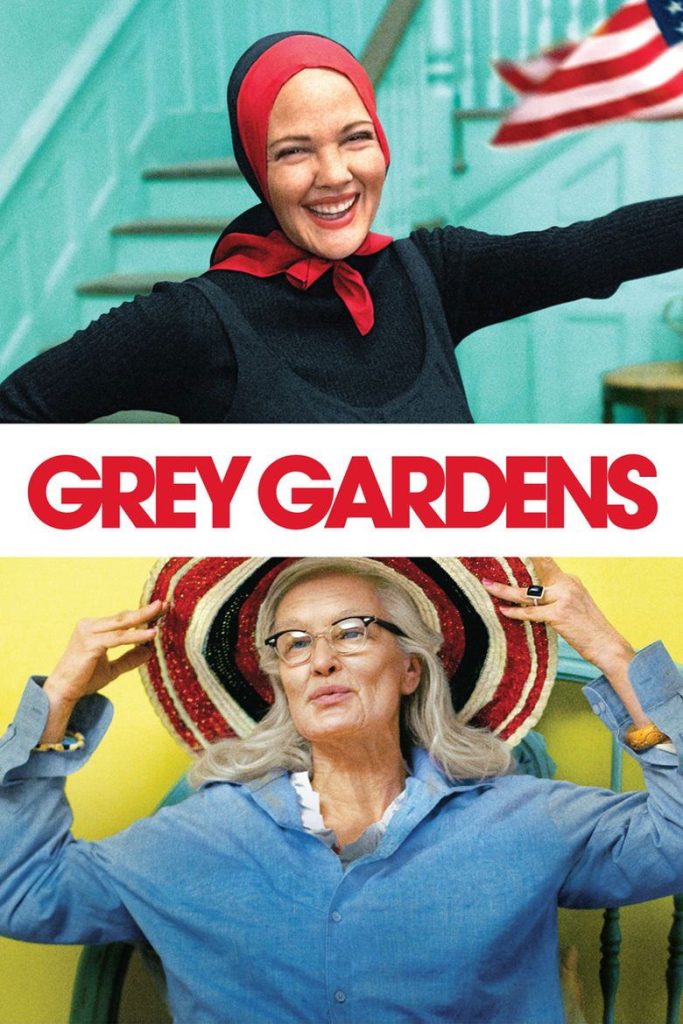
Grey Gardens is a 2009 TV movie based on the true story of Edith Bouvier Beale and her daughter Edie, relatives of Jackie Onassis. Once wealthy socialites in New York high society, they gradually withdrew from public life and lived in increasing isolation and squalor in their decaying Long Island mansion. The film explores their complex mother-daughter relationship, mental health struggles, and the psychological effects of their self-imposed exile from society.
Parent Guide
A psychological drama about mental health and family dynamics with no graphic content but mature themes that require parental guidance for younger viewers.
Content breakdown
No physical violence or perilous situations. The tension is psychological rather than physical.
Some viewers may find the characters' mental deterioration and their living conditions in the decaying mansion unsettling. The psychological aspects of their isolation and decline could be disturbing to sensitive viewers.
No offensive language or profanity noted.
No sexual content or nudity.
No depiction of substance use.
The film explores intense family dynamics, mental health struggles, and the emotional impact of social isolation. The mother-daughter relationship is complex and sometimes tense.
Parent tips
This film deals with mature themes including mental health decline, family dysfunction, and social isolation. While there's no graphic content, the psychological deterioration of the characters and their living conditions may be disturbing to younger viewers. The TV-PG rating suggests parental guidance is advised. Best suited for mature pre-teens and teenagers who can process the film's themes with adult discussion.
Parent chat guide
Parent follow-up questions
—
—
- What did you think about how the mother and daughter treated each other?
- Why do you think they stopped seeing their friends and family?
- How did their house changing make you feel?
- What psychological factors contributed to their withdrawal from society?
- How does the film portray the relationship between wealth and happiness?
- What social commentary does the film make about how society treats eccentric individuals?
- How accurate do you think the portrayal of mental health issues is in this film?
🎭 Story Kernel
The film's core theme is the tragic, symbiotic dance between freedom and entrapment within the American class system. It expresses how social privilege can become a gilded cage, where Edith and Edie Beale's eccentricities are both a rebellion against societal expectations and a prison of their own making. Their refusal to conform—living in squalor while clinging to aristocratic airs—drives them. This isn't simply a story of mental decline; it's a raw examination of what happens when identity is built entirely on a past that no longer exists, and the present becomes an act of performance for an audience that has long since left.
🎬 Visual Aesthetics
The vérité, handheld camera work is the film's primary visual language, creating an intimate, uncomfortably close portrait. The color palette is dominated by the muted, decaying browns and greys of the mansion, with occasional flashes of faded glamour in old costumes or photographs. There is no traditional 'action style'; the camera simply observes, often lingering on the detritus of their lives—the peeling wallpaper, the cats, the piles of belongings. This visual rawness strips away any romanticism, forcing the viewer to confront the stark reality of their existence. The framing often traps the women within the confines of their cluttered rooms, visually reinforcing their psychological and physical imprisonment.
🔍 Details & Easter Eggs
💡 Behind the Scenes
The Maysles brothers originally intended to film a documentary about Jacqueline Kennedy Onassis's childhood. Their focus shifted entirely upon discovering her reclusive aunt and cousin living in the dilapidated Grey Gardens estate. The film was shot over several weeks in 1973. Its release caused a minor scandal due to its unflinching portrayal of the relatives of American royalty, but it also sparked a cultural fascination, later inspiring a Broadway musical and an HBO film. The real-life Edie Beale reportedly enjoyed her subsequent minor celebrity status.
Where to watch
Choose region:
- HBO Max
- HBO Max Amazon Channel
- Amazon Video
- Apple TV Store
- Google Play Movies
- YouTube
- Fandango At Home
Trailer
Trailer playback is unavailable in your region.