
Guillermo del Toro’s Pinocchio (2022)
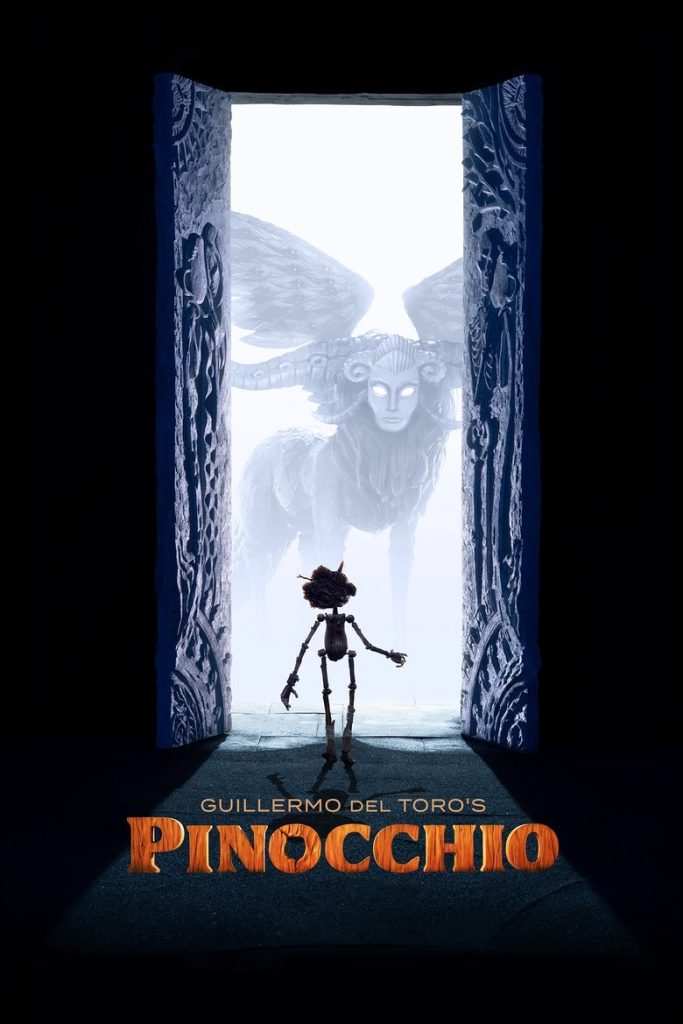
Story overview
This animated fantasy reimagines the classic Pinocchio story against the backdrop of 1930s Italy under fascist rule. A grieving woodcarver creates a wooden boy who is magically brought to life, and the puppet struggles to understand what it means to be human while navigating a world of political turmoil. The film explores themes of love, loss, obedience, and individuality through stunning stop-motion animation and emotional storytelling.
Parent Guide
A beautifully animated but emotionally complex adaptation that explores mature themes within a fantasy framework, best suited for children who can handle historical context and emotional depth.
Content breakdown
Contains wartime peril including bombings, characters in danger, and authoritarian military presence. Some scenes show characters facing threats and tense situations, though not graphically violent.
Includes dark themes of loss, grief, and political oppression. Some scenes may be emotionally intense or unsettling due to the historical setting and character struggles.
Minimal concerning language; typical of PG-rated animated films.
No sexual content or nudity present.
No substance use depicted.
Deals with themes of parental loss, wartime anxiety, and existential questions about life and humanity. Some scenes are emotionally weighty and may require processing.
Parent tips
This PG-rated adaptation contains darker themes than traditional Pinocchio versions, including wartime settings, parental loss, and authoritarian regimes. While visually beautiful, the film includes scenes of peril, emotional intensity, and mature concepts that may require discussion with younger viewers. The 117-minute runtime and complex themes make it more suitable for older children who can process historical context and emotional depth.
Parent chat guide
Parent follow-up questions
- What did you like most about Pinocchio?
- How did Pinocchio's father show he loved him?
- What makes someone a good friend in the movie?
- Which character made you feel happy?
- What was your favorite part of the story?
- Why do you think Pinocchio wanted to be a 'real boy'?
- How did different characters help Pinocchio learn about the world?
- What does it mean to be obedient versus doing what's right?
- How did the setting of the story affect what happened?
- What lessons did Pinocchio learn by the end?
- How does this version of Pinocchio compare to others you've seen?
- What does the film suggest about what makes someone truly 'alive' or 'real'?
- How do the historical elements affect the story's message?
- What choices did characters make that showed courage or kindness?
- How does the film handle themes of loss and grief?
- How does the film use fantasy elements to comment on real historical events?
- What does the story suggest about individuality versus conformity in difficult times?
- How are father-son relationships portrayed and developed throughout?
- What philosophical questions about life and humanity does the film raise?
- How does the animation style contribute to the storytelling and emotional impact?
🎭 Story Kernel
Del Toro's Pinocchio isn't about becoming 'real' through obedience, but about finding humanity through imperfection and mortality. The film subverts the traditional moral by making Pinocchio's woodenness—his disobedience, his inability to conform—his greatest strength in a fascist Italy demanding absolute compliance. Geppetto's grief-driven creation and subsequent rejection mirrors how we often create idealized versions of lost loved ones, only to resent them for not being perfect replacements. The story's true heart lies in how Pinocchio's brief resurrections teach both father and son that love means cherishing fleeting moments rather than demanding permanence.
🎬 Visual Aesthetics
The stop-motion animation creates a tactile, handmade quality that perfectly suits a story about creation and craftsmanship. Del Toro uses a muted, earthy color palette for the human world—grays, browns, and military greens—contrasted with the vibrant blues and golds of the afterlife. The character designs are deliberately grotesque and asymmetrical, rejecting Disney's smooth perfection for something more authentically flawed. Camera movements feel deliberately weighted, like we're watching actual puppets move through physical spaces. The fascist parade sequences use rigid geometric patterns and synchronized movement to visually represent the suppression of individuality Pinocchio resists.
🔍 Details & Easter Eggs
💡 Behind the Scenes
The film took over 15 years to develop, with del Toro insisting on stop-motion despite more efficient options. Animation was done simultaneously in Portland and Guadalajara studios, requiring precise coordination across borders. David Bradley recorded Geppetto's voice first, with animators studying his physical performance to inform the puppet's movements. The puppets contained 3D-printed replacement faces allowing thousands of expressions—Pinocchio alone had 26 faces for different emotions. Alexandre Desplat composed the score before animation began, with scenes timed to the music rather than the reverse.
Where to watch
Choose region:
- Netflix
- Netflix Standard with Ads
Trailer
Trailer playback is unavailable in your region.