
Guilty (2020)
Story overview
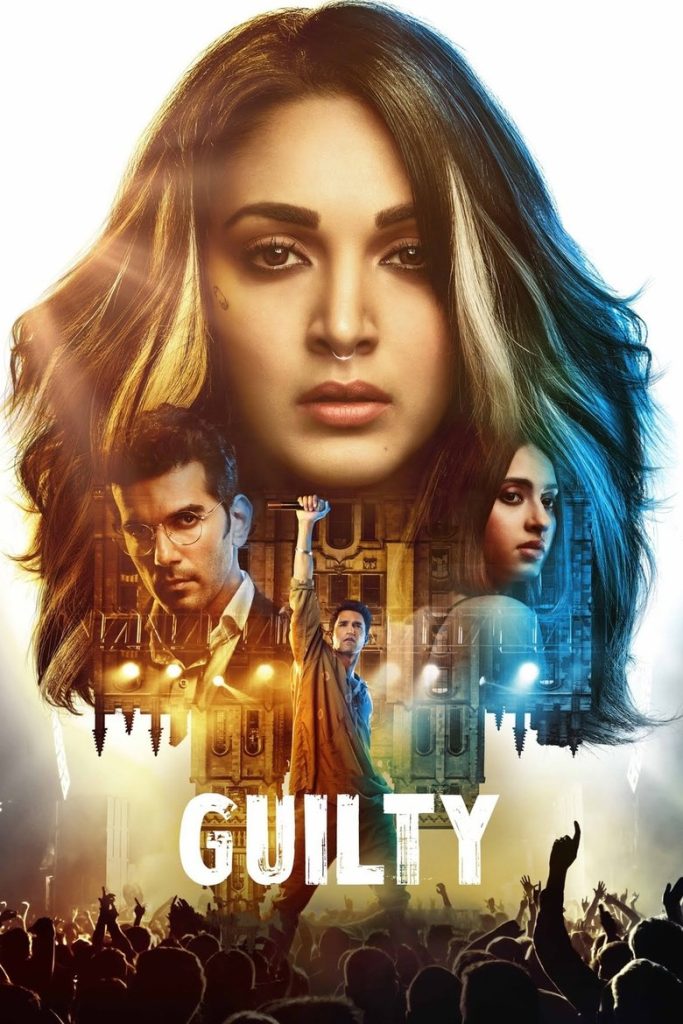
Guilty is a 2020 Indian Hindi-language thriller-drama directed by Ruchi Narain. The film centers on a young woman from a small town who accuses the popular college heartthrob of sexual assault. It explores themes of consent, privilege, truth, and social dynamics through a tense narrative that unfolds in a college setting, examining how different perspectives and biases shape the investigation and personal relationships involved.
Parent Guide
Guilty is a tense thriller-drama that tackles the serious topic of sexual assault with emotional depth. It is rated TV-MA for mature themes, strong language, and intense scenes. Recommended for viewers aged 16 and up due to its complex subject matter, which requires emotional maturity to process. Parental guidance is strongly advised for younger teens.
Content breakdown
No physical violence is depicted, but there are tense confrontations and emotional peril related to the assault accusation. Scenes involve characters in distress, arguments, and psychological tension.
The film includes disturbing themes of sexual assault, emotional trauma, and manipulation. Scenes of characters crying, having panic attacks, or recounting traumatic events may be upsetting. The overall tone is intense and suspenseful.
Contains some strong language, including profanities and harsh dialogue, in emotional or confrontational scenes. Not excessive but present in context.
The central plot revolves around a sexual assault accusation, with discussions and implications of sexual violence. No explicit nudity or graphic sexual scenes are shown, but there are references to sexual acts and consent issues.
Minor depictions of social drinking in college settings, such as characters at parties with alcohol. No focus on substance abuse or intoxication.
High emotional intensity throughout, with themes of betrayal, trauma, and moral dilemmas. Characters experience significant distress, anxiety, and emotional conflict, which may be overwhelming for sensitive viewers.
Parent tips
Guilty deals with mature themes including sexual assault, consent, and emotional trauma. It contains intense scenes of emotional distress, discussions of sexual violence, and strong language. Due to its serious subject matter and emotional intensity, it is best suited for older teens and adults. Parents should consider their child's maturity and readiness to handle such topics before viewing. It can serve as a conversation starter about consent, empathy, and justice, but guidance is recommended.
Parent chat guide
Parent follow-up questions
—
—
- What does consent mean to you?
- How do you think the characters felt when people didn't believe them?
- Why is it important to listen to others?
- How does the film portray the impact of sexual assault on survivors?
- What role does privilege play in the story's conflict?
- How can we support friends who might be going through similar situations?
- What are healthy ways to discuss consent in relationships?
🎭 Story Kernel
At its core, 'Guilty' is less about solving a crime and more about dissecting the anatomy of a lie and the societal machinery that amplifies it. The film explores how privilege, preconceived narratives, and performative outrage can weaponize a single accusation, bending reality to fit a convenient story. The driving force isn't justice, but the desperate need for validation—from Tanu seeking agency through a fabricated victimhood, and from Vijay, the accused, whose silence becomes a louder statement than any defense. It's a tense examination of how truth becomes collateral damage in the battle for public perception and personal redemption.
🎬 Visual Aesthetics
The film employs a claustrophobic visual language, favoring tight close-ups that trap characters in the frame, mirroring their entrapment in the escalating situation. The color palette is deliberately muted—dominated by institutional greys, beiges, and cold blues—reflecting the sterile, procedural nature of the investigation. This austerity is sharply contrasted with the saturated, chaotic flashbacks to the party, visually representing the distorted, emotionally charged memories at the heart of the case. The camera often feels like an intrusive observer, shaky and restless during interrogations, creating a palpable sense of unease and subjectivity.
🔍 Details & Easter Eggs
💡 Behind the Scenes
Kiara Advani, who plays Tanu, reportedly spent time with counselors to understand the psychological complexity of her character, focusing on the mindset of someone constructing a false narrative. The film's director, Ruchi Narain, drew inspiration from real-life cases and media trials in India, aiming to reflect the contemporary 'cancel culture' dynamic. A significant portion of the film was shot in a single, actual police station set to maintain authenticity, with long takes used to preserve the raw, uninterrupted tension of the confrontations.
Where to watch
Choose region:
- Netflix
- Netflix Standard with Ads
Trailer
Trailer playback is unavailable in your region.