
Gumrah (1993)
Story overview
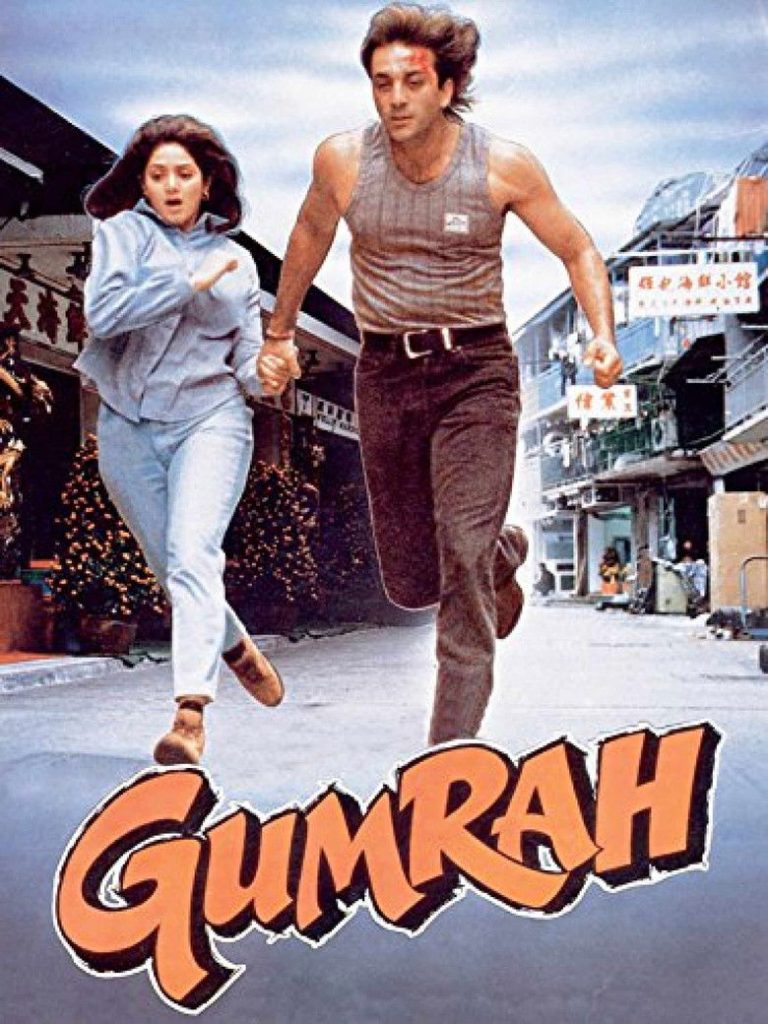
Gumrah is a 1993 Indian drama-action-crime film. The story likely involves themes of crime, justice, and moral dilemmas typical of the genre. It explores characters caught in challenging situations that test their principles and loyalties.
Parent Guide
A crime drama with action elements that deals with moral dilemmas and criminal activities. Best suited for mature audiences due to thematic content.
Content breakdown
Likely contains action sequences and crime-related violence typical of the genre, though specific details are unavailable.
Themes of crime, betrayal, and moral conflict could be disturbing for sensitive viewers.
May contain some strong language given the crime genre, but specifics are unknown.
Possible romantic subplots or suggestive content, but likely not explicit given the year and genre.
May depict smoking or drinking in social contexts, common in films of this era.
Contains tense situations and moral dilemmas that create emotional engagement.
Parent tips
This film contains crime and action elements that may include violence and intense situations. Parents should preview or research specific content, as the 'Not Rated' certification means no official age guidance is provided. Consider the maturity level of your child when deciding if this movie is appropriate, as themes of crime and moral conflict could be disturbing for younger viewers.
Parent chat guide
Parent follow-up questions
- What was your favorite part of the movie?
- How did the music make you feel?
- Can you draw a picture of a character you liked?
- What would you do if you saw someone being treated unfairly?
- How did the characters show they were friends?
- What lesson do you think the movie was trying to teach?
- What makes someone a hero or a villain in this story?
- How do the characters handle difficult choices?
- What would you have done differently in the main character's situation?
- How does the film portray the consequences of criminal behavior?
- What social or moral issues does the movie address?
- How realistic do you find the characters' motivations and actions?
🎭 Story Kernel
At its core, 'Gumrah' is less about the mechanics of a kidnapping plot and more about the psychological erosion of trust. The film explores how betrayal, when weaponized within intimate relationships, creates a prison more confining than any physical captivity. Each character is driven by a desperate need for validation—Roshni by her desire for artistic freedom, Siddharth by his wounded pride and greed, and the central antagonist by a twisted sense of justice born from past humiliation. Their motivations aren't merely criminal; they're deeply human flaws amplified to tragic proportions, making the eventual 'gumrah' (going astray) feel like an inevitable collapse of moral architecture.
🎬 Visual Aesthetics
The film employs a stark, desaturated color palette that drains warmth from the frame, mirroring the emotional coldness at the story's heart. Cinematographer Manoj Soni uses tight, claustrophobic close-ups during moments of confrontation, making the audience complicit in the characters' suffocating dilemmas. The camera often adopts a voyeuristic, shaky quality in tense sequences, refusing to offer a stable perspective, which visually reinforces the theme of unreliable realities. Action is presented not as spectacle but as brutal, inelegant necessity—a stark contrast to the polished deceit the characters perform in their social lives.
🔍 Details & Easter Eggs
💡 Behind the Scenes
The film marked a significant departure for director Punit Malhotra, known primarily for lighter romantic comedies. Actor Aditya Roy Kapur reportedly underwent extensive workshops to portray the psychological unraveling of his character, Siddharth. Key portions were shot on location in Bangkok, utilizing the city's juxtaposition of glossy modernity and hidden, gritty alleyways to visually represent the story's contrast between surface appearances and dark underlying truths. The tense confrontation scenes between the lead actors were largely improvised within the scene's framework to capture raw, unrehearsed emotion.
Where to watch
Choose region:
- Netflix
- Amazon Prime Video
- Netflix Standard with Ads
- Amazon Prime Video with Ads