
Habla Women (2013)
Story overview
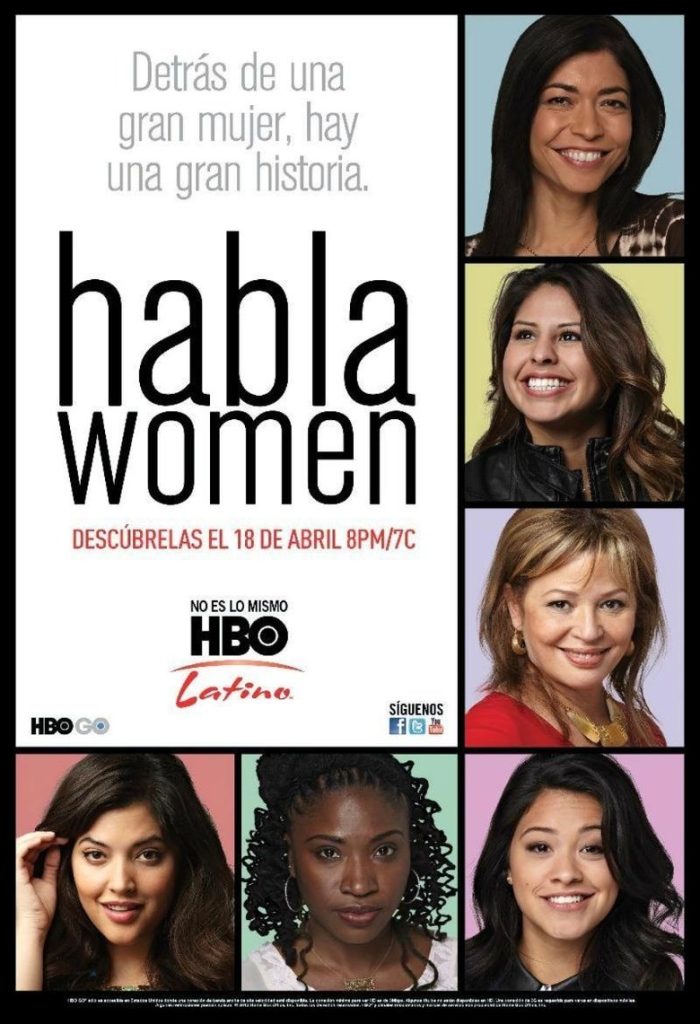
This documentary offers a candid look at the diverse experiences of Latina women in the United States, featuring personal stories from various backgrounds including a newspaper CEO-publisher and an Olympic boxing medalist. It explores both the joys and challenges they face, providing insight into their cultural perspectives and contributions to American society.
Parent Guide
A documentary featuring mature discussions about cultural identity, discrimination, and personal struggles of Latina women in the United States. While not visually graphic, the content deals with adult themes that require parental guidance for younger viewers.
Content breakdown
May include discussions of discrimination, prejudice, or personal struggles, but no physical violence is depicted.
Some discussions of difficult life experiences or discrimination could be emotionally challenging for sensitive viewers.
May include occasional strong language consistent with the TV-MA rating and candid personal storytelling.
No sexual content or nudity is expected in this documentary format.
No substance use is depicted or discussed.
Features personal stories that may include emotional discussions of challenges, discrimination, and cultural identity issues.
Parent tips
This documentary contains mature themes and discussions that may be more suitable for older children and teenagers. Parents should be prepared to discuss topics like cultural identity, discrimination, and personal struggles that are presented in the film. The TV-MA rating suggests content may be inappropriate for children under 17 without parental guidance.
Parent chat guide
Parent follow-up questions
—
- What was your favorite person's story in the movie?
- What did you learn about different jobs people can have?
- What challenges did the women in the documentary face?
- How do you think their experiences might be different from other Americans?
- What did you find most inspiring about their stories?
- How does this documentary challenge stereotypes about Latina women?
- What systemic barriers did the women discuss facing?
- How do their stories reflect broader issues in American society?
- What did you think about the documentary's approach to discussing cultural identity?
🎭 Story Kernel
At its core, 'Habla Women' explores the transformative power of collective silence as political resistance. The film isn't about women learning to speak, but about society being forced to listen to their silence. The characters are driven by a shared trauma that transcends individual suffering, creating a bond that turns personal grief into communal strength. The narrative cleverly subverts expectations—what begins as a story about finding voice becomes a meditation on the potency of strategic silence. Each woman's journey represents a different facet of feminine resilience, from quiet endurance to revolutionary restraint, ultimately questioning whether true power lies in speaking out or in choosing when not to.
🎬 Visual Aesthetics
The film employs a deliberately muted color palette dominated by earth tones and washed-out blues, visually reinforcing the theme of suppressed expression. Cinematographer María Rodríguez uses tight close-ups on women's faces during silent moments, making their unspoken emotions palpable. The camera lingers on hands—clenched, trembling, or gently touching—creating a visual language of restrained power. Scenes of domestic spaces are shot with claustrophobic framing, while public spaces appear vast and empty, emphasizing isolation. The most striking visual choice occurs during the protest sequences, where the sudden absence of sound is matched with slow-motion visuals that transform ordinary gestures into profound statements.
🔍 Details & Easter Eggs
💡 Behind the Scenes
Director Carla Gutiérrez cast primarily non-professional actors from women's collectives in Oaxaca, Mexico, where filming occurred. The famous silent protest scene was shot in a single take using hidden cameras to capture authentic reactions from bystanders. Lead actress Valeria Morales actually learned Mexican Sign Language for her role, incorporating genuine deaf community gestures. The film's minimal score was recorded using only instruments traditionally played by women in indigenous communities. Production was nearly halted when local authorities objected to the political content, but community organizers helped secure permits through grassroots pressure.
Where to watch
Choose region:
- HBO Max
- HBO Max Amazon Channel