
Hachi: A Dog’s Tale (2009)
Story overview
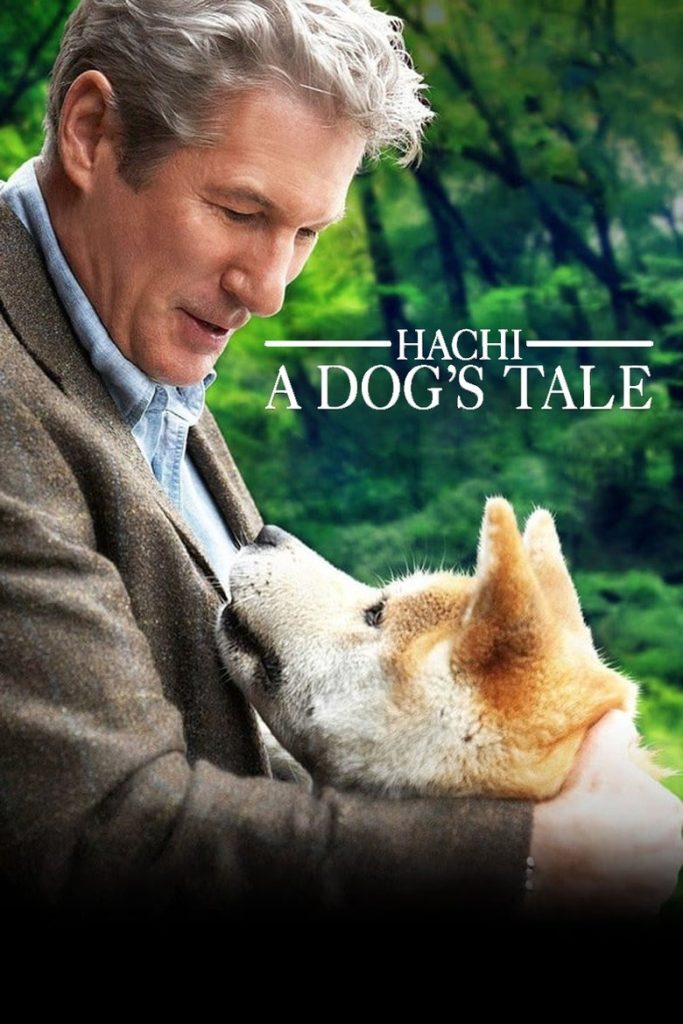
Hachi: A Dog's Tale is a heartwarming drama based on a true story about the deep bond between a college professor and a loyal dog he adopts. The film explores themes of friendship, loyalty, and devotion as it follows their relationship over the years. It's a gentle, emotional story that celebrates the special connection between humans and animals.
Parent Guide
A gentle, emotional family drama about loyalty and love between a man and his dog, suitable for most children with parental guidance for emotional themes.
Content breakdown
No violence or peril depicted. The story is peaceful and focuses on relationships.
Some emotional scenes involving separation and loss that might be sad for sensitive viewers, but nothing frightening or disturbing.
No offensive language or inappropriate dialogue.
No sexual content, nudity, or romantic situations beyond mild affection between family members.
No depiction of alcohol, drugs, or substance use.
The film has emotionally powerful moments centered on loyalty, love, and loss that may elicit strong feelings, particularly in animal lovers.
Parent tips
This G-rated film is appropriate for most ages, but parents should be aware it deals with emotional themes including loss and grief. The story focuses on the enduring loyalty of a dog to his owner, which may lead to sad moments that could be upsetting for very young or sensitive children. The film provides an excellent opportunity to discuss pet ownership, responsibility, and the emotions surrounding relationships and loss.
Parent chat guide
Parent follow-up questions
- What did you like about the dog?
- How do you think the dog felt when he waited?
- What makes a good pet owner?
- How do you show love to your pets or family?
- What was your favorite part of the movie?
- Why do you think the dog was so loyal?
- How did the relationship between the man and dog change over time?
- What does this story teach us about friendship?
- How would you care for a pet like Hachi?
- What emotions did you feel during different parts of the movie?
- What does this true story tell us about animal behavior and loyalty?
- How do different characters in the movie respond to the dog's devotion?
- What life lessons about love and loss can we learn from this story?
- How does the film show the impact one animal can have on a community?
- Why do you think this true story has become so famous?
- How does the film explore themes of devotion versus obligation?
- What does this story reveal about human-animal bonds compared to human relationships?
- How might different cultures view the dog's behavior differently?
- What cinematic techniques does the director use to create emotional impact?
- How does this true story connect to broader themes of memory and legacy?
🎭 Story Kernel
The film isn't about a dog's loyalty, but about how that loyalty exposes human emotional limitations. Parker's daily routine with Hachi creates a beautiful, predictable world that the dog comes to rely on. When Parker dies, the town continues functioning—people grieve, then move on. Hachi's refusal to do so becomes a silent indictment of human adaptability. The real tragedy isn't Parker's death, but that only the dog possesses the capacity for unconditional, timeless devotion. The film asks: who's truly more evolved—humans who 'heal' and 'move forward,' or the creature who remembers forever?
🎬 Visual Aesthetics
Director Lasse Hallström employs a restrained, almost documentary-like visual approach that makes the emotional moments devastating. The color palette shifts subtly: warm golds and browns dominate Parker's life with Hachi, while after his death, the train station scenes become increasingly washed out in blues and grays. The camera often stays at Hachi's eye level, forcing us into his perspective. Most powerful are the stationary shots of Hachi waiting—the composition never varies, creating visual echoes that mirror his unchanging hope. The lack of dramatic camera movements makes his vigil feel more real, more heartbreaking.
🔍 Details & Easter Eggs
💡 Behind the Scenes
The film adapts the true story of Hachikō, an Akita who waited at Tokyo's Shibuya Station for nearly ten years after his owner's death in 1925. Richard Gere, who plays Parker, was instrumental in getting the film made and insisted on working with real Akitas rather than CGI. The American setting was a deliberate choice to universalize the story, though it maintains the emotional truth of the original. Interestingly, the real Hachikō's preserved remains are displayed at Japan's National Museum of Nature and Science—a haunting real-world parallel to the film's themes of enduring presence.
Where to watch
Choose region:
- fuboTV
- Amazon Video
- Apple TV Store
- Google Play Movies
- YouTube
- Fandango At Home
- Tubi TV
Trailer
Trailer playback is unavailable in your region.