
Hacksaw Ridge (2016)
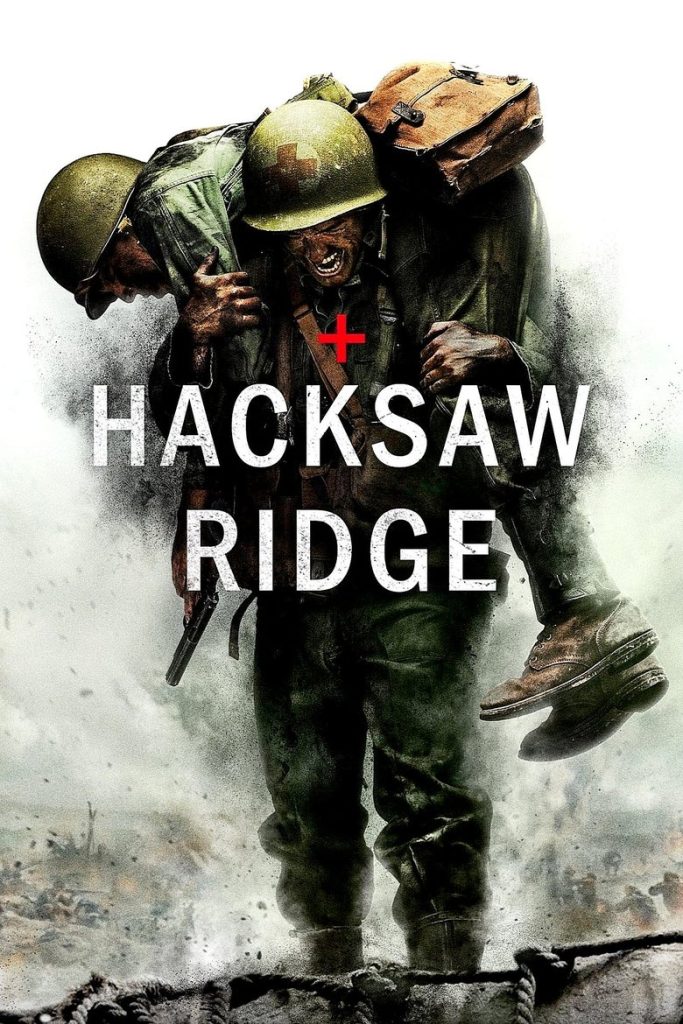
Story overview
Hacksaw Ridge tells the true story of Desmond Doss, an American Army medic during World War II who served as a conscientious objector, refusing to carry a weapon due to his religious beliefs. The film depicts his training struggles and heroic actions during the brutal Battle of Okinawa, where he saved numerous wounded soldiers while unarmed. It explores themes of courage, conviction, and the power of non-violent heroism in wartime.
Parent Guide
Intense war drama with graphic combat violence and strong themes. Recommended for mature teenagers only.
Content breakdown
Prolonged, graphic battlefield violence including explosions, gunfire, bayonets, burning soldiers, dismemberment, and mass casualties. Realistic medical scenes show severe wounds.
Intense war sequences with constant peril, graphic injuries, and emotional trauma. Scenes of soldiers in extreme danger and suffering.
Military-style strong language including profanity, but not excessive. Typical of war film dialogue.
Brief romantic moments and kissing. No nudity or explicit sexual content.
Social drinking in brief scenes. No prominent substance abuse.
High emotional stakes throughout, with themes of life and death, moral conviction under pressure, and wartime trauma.
Parent tips
This R-rated war film contains intense, graphic combat violence that includes depictions of battlefield injuries, explosions, and death. The violence is realistic and prolonged during the battle sequences. Parents should be aware that the film portrays the horrors of war in a visceral way that may be disturbing for younger viewers.
The film also includes strong language typical of military settings and some brief medical scenes showing wounds. While the protagonist's pacifist stance provides a moral center, the combat scenes are among the most intense in recent war films. This is not appropriate for children under 13, and even mature teenagers may find some scenes emotionally challenging.
Consider your child's sensitivity to violence and ability to process wartime themes before viewing. The film's positive messages about courage and conviction come wrapped in very intense packaging.
Parent chat guide
During viewing, be available to answer questions about the historical events and the character's motivations. Pay attention to your child's reactions during intense battle sequences. You might discuss how filmmakers create realistic effects while keeping actors safe.
After viewing, focus conversations on the film's themes: What does courage mean? How can someone stay true to their beliefs under pressure? Discuss the difference between the violence shown and the protagonist's non-violent approach. Ask how the film made them feel about war and heroism.
Parent follow-up questions
- What did you think about the soldiers in the movie?
- How did the main character help people?
- What was your favorite part of the story?
- How do you think the soldiers felt?
- What does it mean to be brave?
- Why do you think Desmond didn't want to use a weapon?
- What challenges did he face during training?
- How did he help soldiers during the battle?
- What does 'conscientious objector' mean?
- What did you learn about World War II from this movie?
- What does the film show about the realities of war?
- How did Desmond's beliefs affect his actions?
- What different types of courage are shown in the film?
- How do you think soldiers cope with such dangerous situations?
- What message do you think the film is trying to share?
- How does the film balance showing war violence with a message of non-violence?
- What does Desmond's story reveal about moral conviction under pressure?
- How accurate do you think the film's portrayal of war is?
- What contemporary relevance might this story have?
- How does the film handle the tension between duty and personal belief?
🎭 Story Kernel
At its core, 'Hacksaw Ridge' explores the paradox of pacifism in the theater of war. Desmond Doss's journey isn't about proving his faith to others, but about defining what true courage means when every instinct screams for survival. The film masterfully contrasts the external brutality of combat with the internal struggle of maintaining humanity. Doss's refusal to carry a weapon becomes the ultimate act of defiance against a system that equates violence with valor. His heroism emerges not from taking lives but from saving them, challenging the very definition of a soldier's duty. The narrative forces viewers to question whether principles can survive in hell, and if so, what that says about their power.
🎬 Visual Aesthetics
Mel Gibson employs a stark visual dichotomy: the serene, sun-drenched Virginia countryside versus the hellish, monochromatic chaos of Okinawa. The battle sequences are visceral and unflinching, with shaky camerawork and extreme close-ups that immerse viewers in the sensory overload of combat. The color palette drains from warm greens and browns to ashen grays and blood reds as the narrative descends into war. Gibson uses religious imagery subtly—Doss's silhouette against smoke resembles a cross, and the rope he uses to lower soldiers becomes a lifeline both literal and metaphorical. The camera often lingers on Doss's hands, emphasizing his role as a healer rather than a destroyer.
🔍 Details & Easter Eggs
💡 Behind the Scenes
Andrew Garfield immersed himself in the role by studying Desmond Doss's interviews and adopting a Virginia accent. The Hacksaw Ridge battlefield scenes were filmed in New South Wales, Australia, where the production built a meticulous replica of the Maeda Escarpment. Real amputees were cast as extras for authenticity in the medical scenes. Garfield performed many of his own stunts, including carrying Vince Vaughn (who played Sgt. Howell) in full gear. The film's historical consultant was Terry Benedict, who documented Doss's life for years prior to production.
Where to watch
Choose region:
- Netflix
- AMC Plus Apple TV Channel
- AMC+ Amazon Channel
- AMC+
- AMC
- Philo
- Netflix Standard with Ads
- MovieSphere+ Amazon Channel
- Amazon Video
- Google Play Movies
- YouTube
- FlixFling
- Apple TV
- Fandango At Home
Trailer
Trailer playback is unavailable in your region.