
Hands of Stone (2016)
Story overview
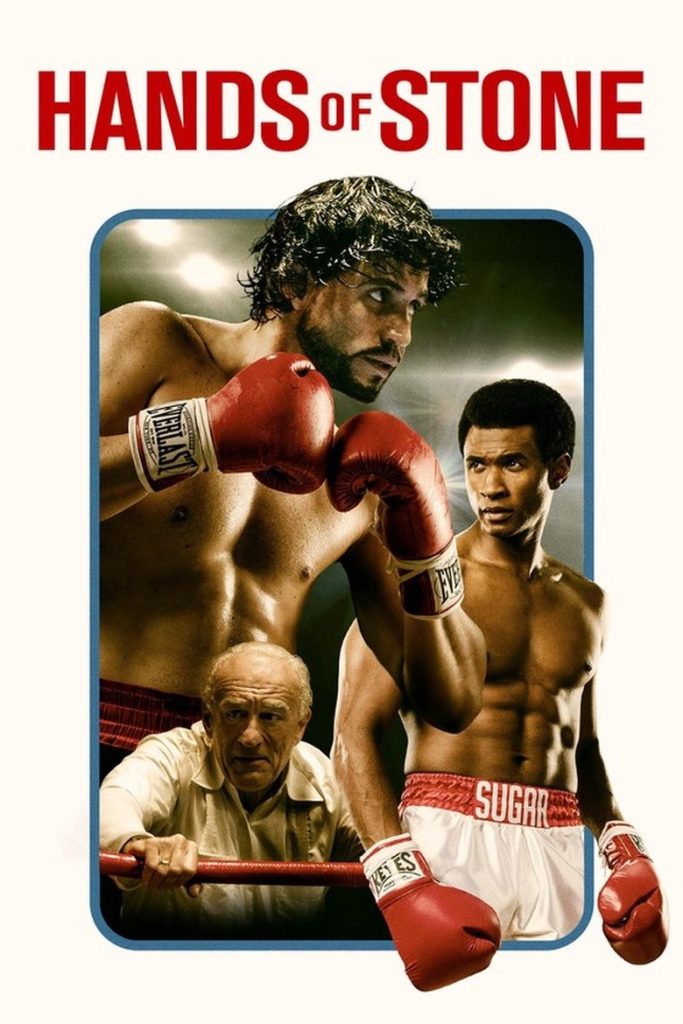
Hands of Stone is a 2016 biographical sports drama about legendary Panamanian boxer Roberto Durán and his trainer Ray Arcel. The film follows Durán's rise from poverty in Panama to becoming world champion, exploring his intense relationship with Arcel and the personal and professional challenges they face together, including Durán's famous 'No Más' fight against Sugar Ray Leonard.
Parent Guide
A gritty biographical sports drama with intense boxing violence, strong language, and mature themes about ambition, poverty, and sacrifice. Recommended for mature teens with parental guidance.
Content breakdown
Multiple extended boxing matches with realistic punches, blood, injuries, and knockdowns. Fight scenes are intense and graphic, showing the physical brutality of professional boxing. Some street violence and aggressive confrontations outside the ring.
Intense training sequences, emotional confrontations, and the psychological pressure of high-stakes competition. Scenes depicting poverty in Panama might be unsettling. The 'No Más' fight scene shows significant emotional distress.
Frequent strong language including f-words, s-words, and other profanity. Language is typical of competitive sports environments and intense dramatic situations.
Some romantic scenes with kissing and implied sexual relationships. Brief suggestive content but no explicit nudity or sexual scenes.
Social drinking in several scenes, characters smoke cigarettes, and some celebratory alcohol consumption. No glorification of substance abuse.
High emotional stakes throughout, including themes of poverty, national pride, personal ambition, mentor relationships, and the psychological pressure of elite sports. The film explores complex father-figure dynamics and personal sacrifice.
Parent tips
This R-rated boxing drama contains intense fight scenes, strong language, and mature themes. Best suited for mature teens who can handle realistic sports violence and complex character portrayals. Parents should be aware of depictions of poverty, ambition, and emotional intensity in competitive sports.
Parent chat guide
Parent follow-up questions
—
—
- What did you learn about boxing from this movie?
- Why do you think Roberto wanted to become a champion so badly?
- How did his coach help him become better?
- How does the film portray the physical and emotional toll of boxing?
- What cultural differences did you notice between Panama and the US in the film?
- Do you think Durán's 'No Más' moment showed weakness or wisdom?
- How does the film balance sports glory with personal costs?
🎭 Story Kernel
The movie explores the tension between personal ambition and national identity through Roberto Durán's journey. It's not just about boxing; it's about what happens when a fighter's raw, street-born hunger meets the polished machinery of fame. Durán's drive stems from childhood poverty in Panama, while his trainer Ray Arcel represents the discipline of the American dream. Their clash—and eventual bond—reveals how both men use boxing to assert control over their narratives. The infamous 'No más' moment becomes not a surrender, but a reclaiming of autonomy when the sport threatens to consume his identity.
🎬 Visual Aesthetics
The cinematography sharply contrasts gritty, handheld chaos in Panama's streets with the sterile, polished arenas of Las Vegas. Durán's early fights use warm, earthy tones and shaky camerawork, mirroring his unrefined style. As he rises, the palette cools to blues and grays, framing him in clinical wide shots that make him look isolated. The Sugar Ray Leonard rematch is shot like a horror scene—extreme close-ups on Durán's panicked eyes, distorted sounds, and a washed-out palette that visually conveys his psychological unraveling. The ring becomes a gladiatorial pit under harsh, exposing lights.
🔍 Details & Easter Eggs
💡 Behind the Scenes
Edgar Ramírez trained for two years to portray Durán, learning boxing from the champion himself and even sparring with real fighters. Robert De Niro, playing Arcel, insisted on using period-accurate boxing equipment. The film shot in Panama City, using actual locations from Durán's life, including his childhood neighborhood. Director Jonathan Jakubowicz cast real Panamanian extras for authenticity, many of whom remembered Durán's fights firsthand.
Where to watch
Choose region:
- Netflix
- Amazon Video
- Apple TV Store
- Fandango At Home
- Google Play Movies
- YouTube
Trailer
Trailer playback is unavailable in your region.