
Happy Together (1997)
Story overview
Happy Together is a 1997 drama and romance film that explores complex relationships and emotional journeys. The story follows characters navigating personal connections and life challenges. It presents themes of love, separation, and self-discovery through its narrative.
Parent Guide
A drama exploring mature relationship themes suitable for older teens with parental guidance.
Content breakdown
No physical violence or peril depicted.
Contains emotional tension and relationship conflicts that may be intense for younger viewers.
No strong language expected in typical drama content.
May contain romantic themes and implications typical of relationship dramas.
No substance use depicted.
Deals with complex emotions and relationship dynamics that could be intense for sensitive viewers.
Parent tips
This film deals with mature relationship themes that may require parental guidance for younger viewers. The emotional content and dramatic situations could be confusing or intense for children. Consider watching together to discuss the film's themes as they unfold.
Parent chat guide
Parent follow-up questions
- How did the characters show they cared about each other?
- What made you feel happy or sad in the movie?
- What did you notice about how the characters talked to each other?
- How did the characters handle their disagreements?
- What did you learn about friendship from this movie?
- How did the characters' feelings change throughout the story?
- What challenges did the characters face in their relationships?
- How did the characters show growth or change?
- What messages about love and connection did you take from the film?
- How does the film portray the complexities of adult relationships?
- What commentary does the film make about emotional intimacy?
- How do the characters' personal journeys reflect broader human experiences?
🎭 Story Kernel
At its core, 'Happy Together' explores the impossibility of escaping oneself through relationships or geography. Ho Po-wing and Lai Yiu-fai's toxic cycle in Argentina isn't about love but addiction—to drama, to familiarity, to the painful comfort of knowing exactly how you'll hurt each other. Their Buenos Aires exile becomes a pressure cooker where cultural dislocation amplifies personal dysfunction. The real journey belongs to Lai, who gradually discovers that freedom isn't about finding the right person but about learning to be alone without being lonely. The film suggests some connections are prisons, and liberation comes not from reconciliation but from walking away.
🎬 Visual Aesthetics
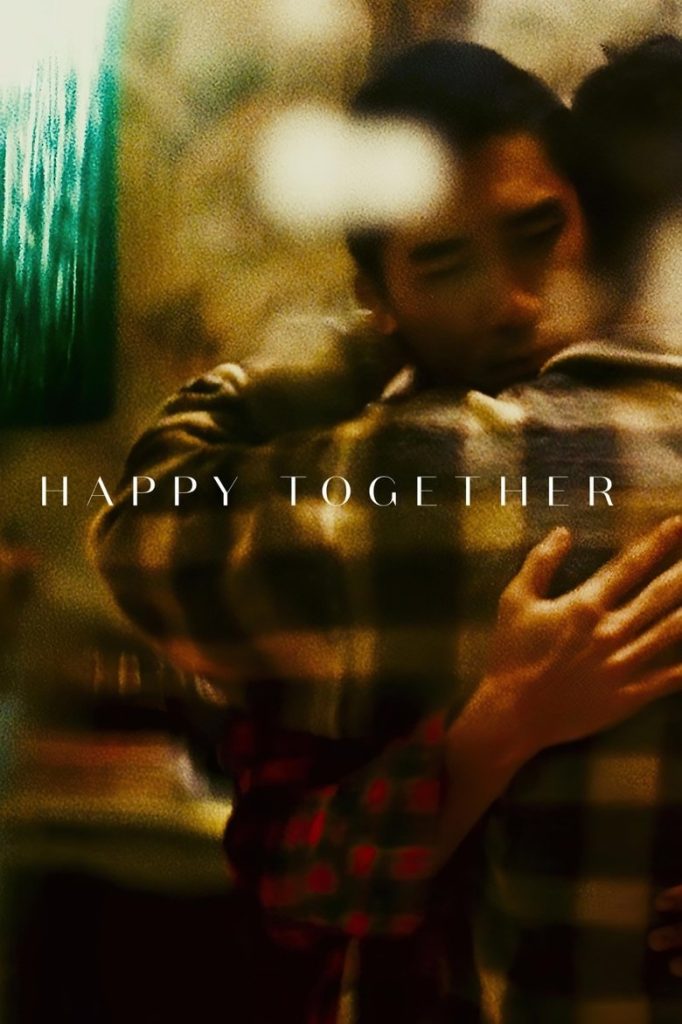
Wong Kar-wai's visual language mirrors the emotional states through radical shifts. The early scenes use sickly green filters and claustrophobic handheld shots that make Buenos Aires feel like a sweaty, suffocating prison. When Lai finds temporary peace working at the tango bar, the palette warms to golds and browns, with smoother camera movements. The most striking transition occurs when Lai visits Iguazu Falls alone—the screen explodes into crisp black-and-white, suggesting clarity finally achieved through solitude. The recurring motif of the waterfall lamp (which they can never fix) visually represents their broken relationship—something beautiful that should flow but remains static and artificial.
🔍 Details & Easter Eggs
💡 Behind the Scenes
Wong Kar-wai famously shot without a complete script, improvising scenes based on Buenos Aires locations and the actors' chemistry. The production was notoriously difficult—Tony Leung nearly quit due to the chaotic schedule, while Leslie Cheung (playing against type as the volatile Ho) reportedly clashed with Wong's methods. The Iguazu Falls sequence was almost cut due to budget constraints but became the film's visual centerpiece. Ironically, the crew got stranded in Argentina when funding issues delayed their return, mirroring the characters' own trapped existence.
Where to watch
Choose region:
- HBO Max
- HBO Max Amazon Channel
- Criterion Channel
- Amazon Video
- Apple TV
- Google Play Movies
- YouTube
- Fandango At Home
Trailer
Trailer playback is unavailable in your region.