
Harakiri (1962)
Story overview
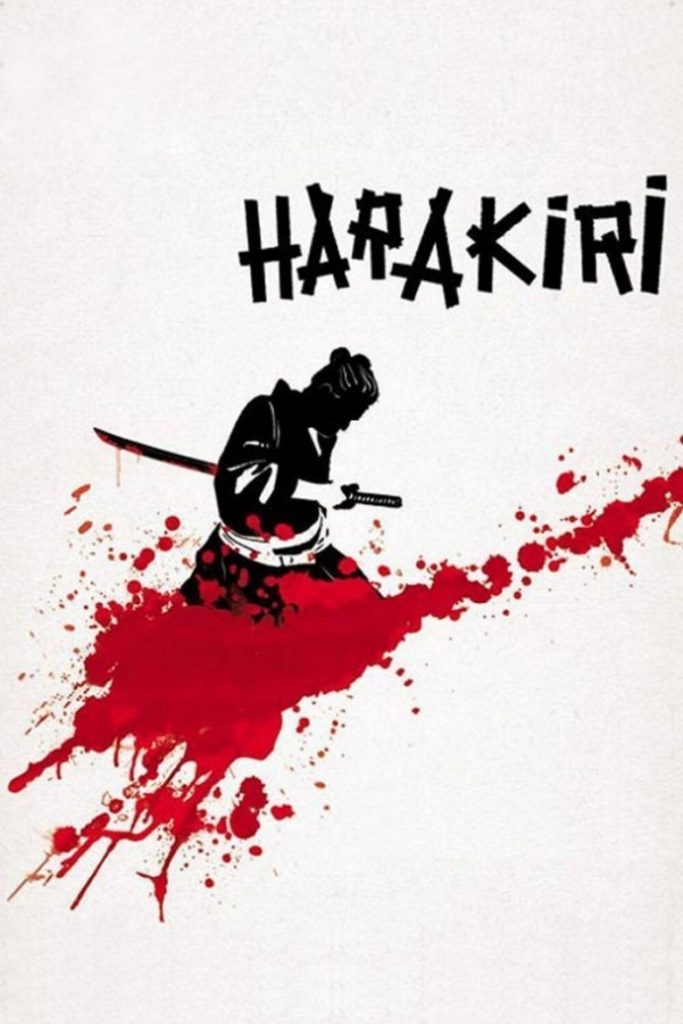
Harakiri is a 1962 Japanese historical drama that explores the complex themes of honor, duty, and societal hypocrisy within the samurai class. The story follows a destitute ronin who arrives at a powerful clan's estate requesting to perform ritual suicide, leading to revelations about the true nature of bushido (the samurai code). Through its narrative structure, the film examines the tension between personal integrity and institutional power, questioning whether traditional values serve genuine honor or merely maintain appearances. This thoughtful, slow-paced drama uses its historical setting to raise universal questions about morality and human dignity.
Parent Guide
A thoughtful historical drama exploring complex themes of honor, duty, and institutional hypocrisy, best suited for mature teenagers who can engage with its philosophical questions.
Content breakdown
The central theme involves ritual suicide (seppuku), though it is not graphically depicted. There are tense confrontations and discussions of violence, but no explicit gore or combat scenes shown on screen.
Psychological tension and emotional intensity are high throughout, with themes of despair, betrayal, and institutional cruelty. The contemplation of suicide and confrontations about honor may be disturbing for sensitive viewers.
Formal, period-appropriate dialogue with no modern profanity. The language is respectful but includes discussions of serious topics like dishonor and death.
No sexual content, nudity, or romantic relationships depicted in the film.
No depiction of alcohol, drugs, or substance use in the film.
High emotional intensity throughout, with themes of honor, shame, betrayal, and moral conflict. Characters experience profound despair, righteous anger, and psychological tension in confrontations about integrity and duty.
Parent tips
Harakiri is a serious, contemplative film that deals with mature themes of honor, suicide, and institutional hypocrisy. While there is no graphic violence shown on screen, the entire premise revolves around ritual suicide (seppuku), and there are intense emotional confrontations that may be disturbing for younger viewers. The film's deliberate pacing and philosophical nature make it more suitable for older teenagers who can engage with its complex moral questions.
Parents should be aware that the film presents suicide as a cultural and ritual practice within the samurai tradition, which requires careful contextualization for younger viewers. The emotional intensity comes from characters confronting betrayal, dishonor, and the harsh realities of a rigid social system. While there is no explicit gore, the psychological tension and thematic weight are substantial.
The film's historical Japanese setting and cultural specificity mean some concepts may need explanation for Western audiences. The black-and-white cinematography and formal storytelling style may feel slow to viewers accustomed to modern pacing, but this contributes to the film's powerful examination of its themes.
Parent chat guide
During viewing, pause if needed to clarify cultural concepts like seppuku (ritual suicide) or the role of samurai in feudal Japan. The film's structure involves storytelling within storytelling, so you might help younger viewers follow the narrative layers. Note how the film builds tension through dialogue and character interactions rather than action.
After watching, discuss the film's central questions about honor, duty, and hypocrisy. Ask: 'What did the film suggest about the difference between real honor and just following rules? How do characters show strength in different ways?' Connect the historical themes to contemporary situations where people face difficult moral choices or challenge unjust systems.
Parent follow-up questions
- What colors did you see in the movie?
- Did you see any animals or funny things?
- What was your favorite part?
- How did the people talk to each other?
- Was there any music you liked?
- What did you notice about how the characters dressed?
- How did the characters show they were serious or sad?
- What places did you see in the movie?
- What was one thing that surprised you?
- How did people solve problems in the story?
- What does honor mean to the different characters?
- How do the characters show courage in different ways?
- What makes someone a good leader in this story?
- How does the movie show that rules can be unfair?
- What did you learn about Japanese history from this film?
- How does the film critique traditional samurai values while respecting the culture?
- What does the film suggest about the relationship between personal integrity and social expectations?
- How does the narrative structure (story within a story) affect how we understand the themes?
- In what ways do the characters demonstrate different types of strength and resilience?
- How relevant are the film's questions about honor and hypocrisy to contemporary society?
🎭 Story Kernel
Harakiri dismantles the samurai code not through rebellion but through its meticulous execution. The film's true subject is institutional hypocrisy—how systems of honor become self-justifying machines that consume the very people they're meant to protect. Tsugumo's revenge isn't about vengeance but about forcing the Ii clan to confront the logical conclusion of their own rules. Every character is trapped by the code: the clan by their need to maintain appearances, the rōnin by their desperate poverty disguised as principle. The film asks what remains when the symbols of honor (the swords, the rituals) are stripped away, revealing only hollow men performing empty ceremonies.
🎬 Visual Aesthetics
Kobayashi's visual language is one of rigid geometry and devastating stillness. The Ii clan's estate is framed through severe horizontal and vertical lines—screens, beams, doorways—creating a cage of tradition. Action sequences are brutally efficient, devoid of romanticism: the final duel occurs in a barren courtyard under harsh sunlight, every movement functional and desperate. The color palette is deliberately muted—earth tones, grays, the occasional blood red—emphasizing the austerity of the samurai world. Most powerful are the prolonged static shots during Tsugumo's storytelling, where the camera becomes an unblinking witness to uncomfortable truths.
🔍 Details & Easter Eggs
💡 Behind the Scenes
Tatsuya Nakadai prepared for his role as Tsugumo by studying Noh theater movements to achieve the character's controlled, ceremonial physicality. Director Masaki Kobayashi deliberately cast relatively unknown actors for the clan members to emphasize their interchangeable, institutional nature. The famous courtyard duel was shot in one continuous take requiring 27 attempts—Nakadai performed all his own swordwork despite having minimal prior training. The film was shot almost entirely on soundstages to maintain absolute control over the oppressive architectural compositions that define its visual style.
Where to watch
Choose region:
- Criterion Channel
- Amazon Video
- Apple TV
Trailer
Trailer playback is unavailable in your region.