
Harley & Katya (2022)
Story overview
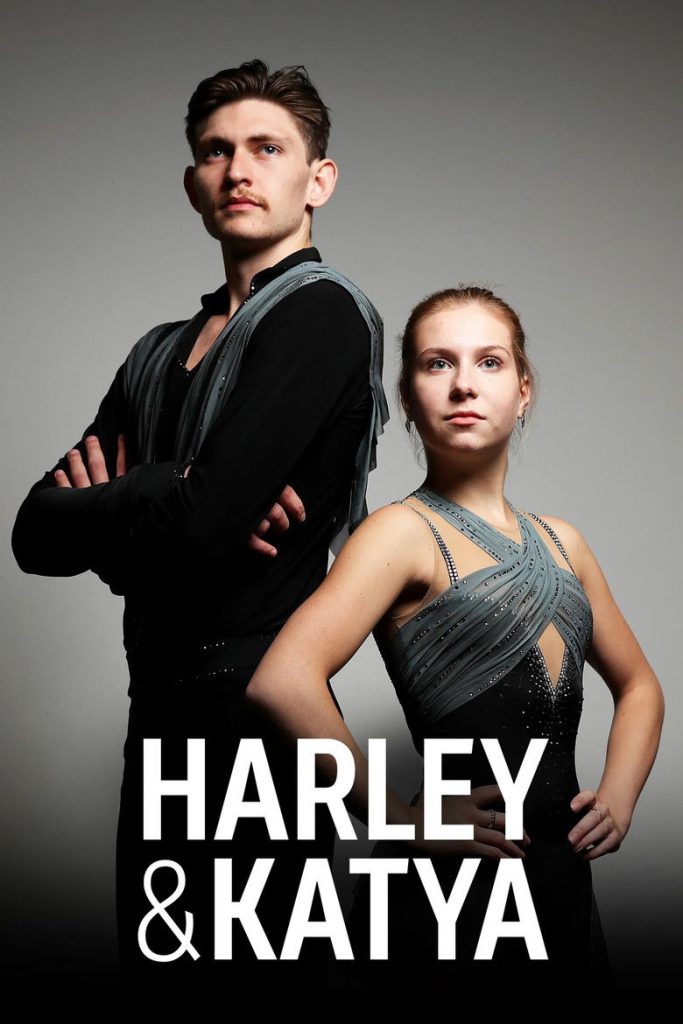
This documentary follows Indigenous Australian figure skater Harley Windsor and his Russian pair skating partner Ekaterina Alexandrovskaya as they form an unlikely partnership and make history in competitive figure skating. The film explores their journey, achievements, and the personal costs of their groundbreaking success.
Parent Guide
A documentary about sports partnership and achievement with emotional depth but no concerning content.
Content breakdown
No violence or peril depicted.
No scary or disturbing content.
No offensive language expected in this documentary.
No sexual content or nudity.
No substance use depicted.
May include emotional moments related to competition pressure, partnership challenges, or personal struggles, but presented in a documentary style.
Parent tips
This documentary focuses on sports achievement and partnership dynamics. It may touch on themes of cultural identity, pressure in elite sports, and the challenges of international collaboration. No explicit content is expected, but emotional intensity around competition and personal struggles could be present.
Parent chat guide
Parent follow-up questions
—
- What did you like about the skating?
- How do you think Harley and Katya helped each other?
- What challenges do you think came from their different backgrounds?
- How does pressure affect athletes in competitions?
- What sacrifices do elite athletes make for success?
- How does this documentary portray the balance between achievement and personal cost?
🎭 Story Kernel
At its core, 'Harley & Katya' is a raw exploration of codependency masquerading as liberation. The film isn't about two friends finding themselves through chaos; it's about two lost souls using each other as mirrors to avoid confronting their own emptiness. Harley's manic energy isn't joy—it's a frantic performance to outrun her grief over her mother's death, while Katya's calculated rebellion is a desperate bid to feel anything at all after a lifetime of emotional neglect. Their whirlwind of petty crime and substance abuse isn't the point; it's the symptom. The movie's real tragedy is that their bond, initially presented as salvation, becomes a feedback loop of mutual destruction, proving that sometimes the person who understands your damage best is the one most equipped to exploit it.
🎬 Visual Aesthetics
The film's visual language is a character in itself, employing a gritty, handheld aesthetic that contrasts sharply with moments of surreal, neon-soaked stillness. Director Alex Proyas uses a desaturated color palette for the mundane 'real world,' which violently erupts into hyper-saturated blues and pinks during the duo's escapades, visually divorcing their altered states from reality. The camera often adopts Katya's detached, observational perspective in wide shots, then violently switches to Harley's frenetic, unstable close-ups during crises. Action isn't stylized; it's clumsy, brutal, and exhausting. Key symbolism lies in reflections—characters are constantly framed in mirrors, car windows, and puddles, emphasizing their fractured identities and the performative nature of their partnership.
🔍 Details & Easter Eggs
💡 Behind the Scenes
The film's intense chemistry stemmed from the actors' off-screen method preparation. Margot Robbie (Harley) and Anya Taylor-Joy (Katya) lived together in a shared apartment for two weeks prior to shooting, developing their characters' idiosyncratic language and rhythms. The iconic neon-lit diner scenes were shot in a condemned 1950s establishment in Melbourne, Australia, which the production design team restored specifically for the film. Notably, the chaotic car chase sequence was achieved practically with minimal CGI, using a custom-built rig that allowed the camera to rotate 360 degrees inside the vehicle, contributing to the scene's visceral, disorienting feel.
Where to watch
Choose region:
- Netflix
- Netflix Standard with Ads
Trailer
Trailer playback is unavailable in your region.