
Harriet (2019)
Story overview
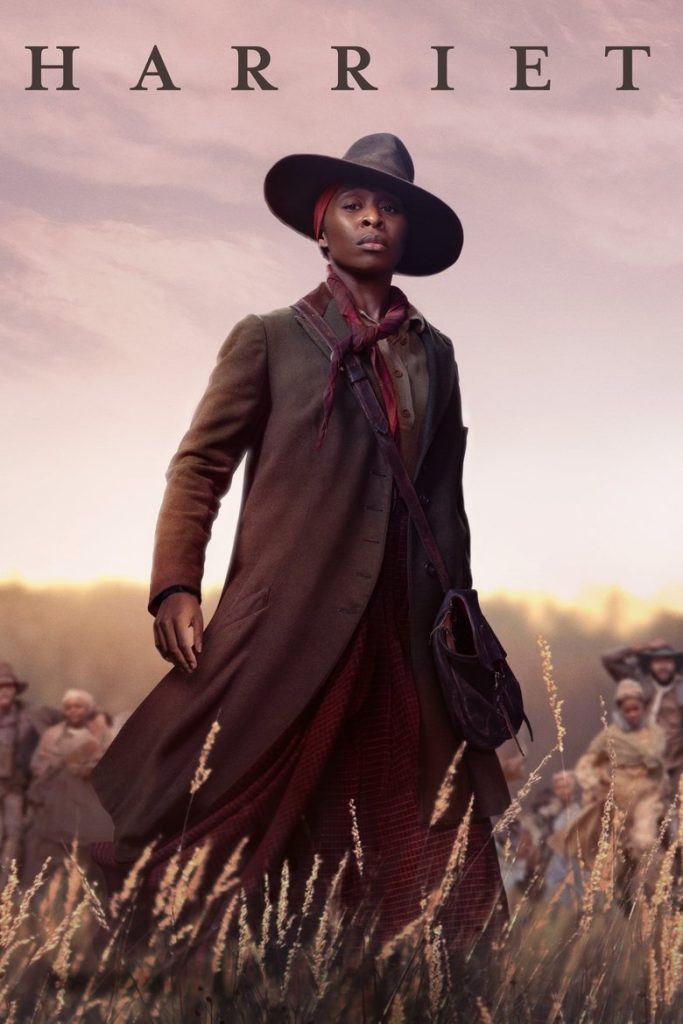
Harriet is a 2019 historical drama based on the life of Harriet Tubman, who escaped slavery and became a leading abolitionist. The film portrays her courageous efforts to guide other enslaved people to freedom via the Underground Railroad. It highlights themes of resilience, freedom, and justice against the backdrop of 19th-century America.
Parent Guide
A historical drama with themes of slavery, freedom, and resilience; suitable for mature children due to intense subject matter.
Content breakdown
Includes scenes of peril, threats, and violence related to slavery, such as chases and confrontations, without graphic detail.
Themes of oppression, slavery, and danger may be disturbing; some scenes depict emotional distress and tense situations.
May include period-appropriate language or mild insults; no strong profanity expected.
No sexual content or nudity; focus is on historical and dramatic elements.
No depiction of substance use; set in a historical context without such references.
High emotional themes related to freedom, injustice, and personal struggle; may evoke strong feelings in viewers.
Parent tips
Harriet is rated PG-13 for thematic content, some violence, and disturbing material related to slavery. Parents should be prepared to discuss the historical context of slavery, racial injustice, and the emotional weight of the subject matter. The film's portrayal of peril and oppression may be intense for younger viewers, so consider your child's maturity and sensitivity to these themes.
Parent chat guide
Parent follow-up questions
- What did Harriet do to help people?
- How did Harriet feel when she was brave?
- Why is it important to be kind to everyone?
- Why was Harriet trying to escape?
- What does 'freedom' mean in the movie?
- How did people help each other in the story?
- What challenges did Harriet face as a leader?
- How did the Underground Railroad work?
- Why is Harriet considered a hero in history?
- How does the film portray the impact of slavery on individuals and society?
- What historical inaccuracies or artistic liberties might the film take?
- How can Harriet's story inspire action against modern injustices?
🎭 Story Kernel
The film's core isn't just about escaping slavery, but about Harriet's transformation from a runaway to a revolutionary leader driven by divine visions. Her 'spells'—fainting episodes where she receives guidance from God—become the engine of the plot. This frames her not as a passive historical figure but as an active agent whose faith fuels her defiance. The movie argues that true freedom requires both physical escape and spiritual awakening, showing how Harriet's internal journey empowers her to lead others. Her motivation shifts from personal survival to collective liberation, making this a story about how conviction can weaponize vulnerability.
🎬 Visual Aesthetics
Director Kasi Lemmons uses a naturalistic color palette dominated by earth tones and muted blues, emphasizing the harsh realism of the Maryland landscape. Cinematographer John Toll employs handheld cameras during escape sequences to create visceral urgency, contrasting with stable, reverent shots during Harriet's visions. The recurring visual motif of water—rivers, rain, baptism—symbolizes both danger and purification. Harriet's first crossing of the Choptank River is shot with low angles that make her appear monumental against the sky, visually elevating her from fugitive to mythic figure. The film's lighting often isolates Harriet in beams of sunlight during pivotal moments, suggesting divine favor.
🔍 Details & Easter Eggs
💡 Behind the Scenes
Cynthia Erivo, who plays Harriet, performed all her own stunts including river crossings and outdoor survival scenes. The production used actual Maryland locations near where Tubman lived, including the Dorchester County marshes. Erivo and director Kasi Lemmons visited Tubman's descendants and historical sites to prepare. The film's script was in development for over 20 years, with multiple directors attached before Lemmons. Leslie Odom Jr.'s character William Still is based on the real-life abolitionist who kept detailed records of Underground Railroad passengers.
Where to watch
Choose region:
- Netflix
- Netflix Standard with Ads
- Amazon Video
- Apple TV
- Google Play Movies
- YouTube
- Fandango At Home
Trailer
Trailer playback is unavailable in your region.