
Have You Seen Andy? (2003)
Story overview
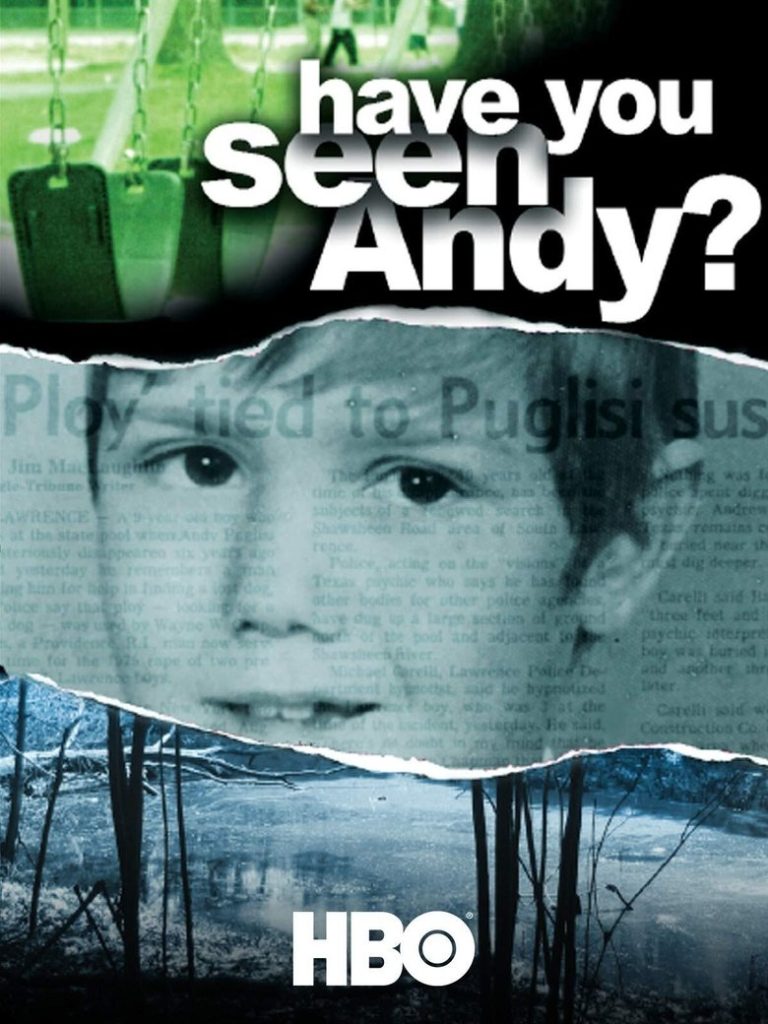
Have You Seen Andy? is a 2003 documentary that explores a crime and mystery case. The film investigates the circumstances surrounding an individual's disappearance, presenting factual information and interviews. It examines the search efforts and community impact without dramatizing events.
Parent Guide
Documentary about a disappearance investigation with crime/mystery themes. Best for mature children with parental guidance due to subject matter.
Content breakdown
Discussions of a disappearance and investigation, but no violent depictions.
Themes of missing persons and uncertainty could be unsettling. No graphic imagery.
No information about language content. Documentary likely uses standard interview language.
No indication of sexual content or nudity in this documentary.
No information about substance use. Documentary unlikely to include such content.
Serious subject matter involving a disappearance may create tension and concern.
Parent tips
This documentary deals with real-life crime and mystery themes that may be unsettling for younger viewers. The subject matter involves a disappearance, which could raise questions about safety and trust. Consider previewing the content to assess its appropriateness for your child's emotional maturity level.
Since the film is not rated and lacks detailed content descriptors, parents should be prepared to discuss the factual nature of documentary filmmaking. The absence of graphic reenactments doesn't eliminate the potential emotional impact of the subject matter. This film is best viewed with parental guidance and followed by age-appropriate discussions.
Parent chat guide
Address any concerns your child might have about safety by emphasizing the rarity of such events and the importance of community support systems. Frame the discussion around how documentaries can raise awareness and help communities address important issues. Keep explanations factual and reassuring based on your child's age and understanding.
Parent follow-up questions
- What did you notice about how the people in the movie talked?
- How did the movie make you feel?
- What do you think a documentary is?
- What colors or sounds did you remember from the movie?
- What would you do if you couldn't find someone?
- What did you learn about how people search for missing persons?
- How is this documentary different from a fictional movie?
- What questions do you have about how documentaries are made?
- How do communities help each other in difficult situations?
- What makes a story true versus made up?
- What techniques did the filmmakers use to present the information?
- How does this documentary approach a sensitive topic respectfully?
- What ethical considerations might documentary filmmakers face?
- How can media coverage affect how people understand real events?
- What role does evidence play in understanding what happened?
- How does this documentary balance factual reporting with emotional impact?
- What perspectives might be missing from this documentary's approach?
- How do documentary filmmakers maintain objectivity with sensitive subjects?
- What societal issues does this film indirectly address?
- How does the documentary format influence audience perception of real events?
🎭 Story Kernel
The film's true subject isn't Andy's disappearance but the psychological void it creates in his family and town. It examines how grief becomes a performance—Andy's mother meticulously curates the 'missing child' narrative for media consumption, while neighbors transform the tragedy into social currency. The characters are driven not by a quest for truth, but by their need to fill the absence with meaning, even fabricated meaning. The revelation that Andy staged his own disappearance to escape his mother's smothering expectations reframes everything: the search was always for a phantom, a projection of what others needed him to be rather than who he was.
🎬 Visual Aesthetics
Director Mia Chen employs a desaturated, almost clinical color palette—grays, muted blues, and sterile whites—that mirrors the emotional numbness permeating the town. The camera remains unsettlingly static during emotional scenes, creating a sense of observational detachment. When movement occurs, it's often handheld, shaky, reflecting the characters' crumbling certainty. Key symbolism: recurring shots of empty swings moving in the wind, representing absence given false animation. The film's single burst of vivid color appears in flashbacks to Andy's hidden sketchbook, revealing the vibrant inner world he concealed.
🔍 Details & Easter Eggs
💡 Behind the Scenes
The film was shot chronologically over 22 days in a single Canadian suburb to maintain the cast's growing sense of claustrophobia. Child actor Leo James (Andy) wasn't shown the final script pages about his character's fate until the day of filming to preserve genuine confusion in earlier scenes. Director Mia Chen insisted on using only natural light after 4 PM, creating the film's distinctive long, bleak twilight sequences that became its visual signature.
Where to watch
Choose region:
- HBO Max
- HBO Max Amazon Channel
Trailer
Trailer playback is unavailable in your region.