
Heir To An Execution (2004)
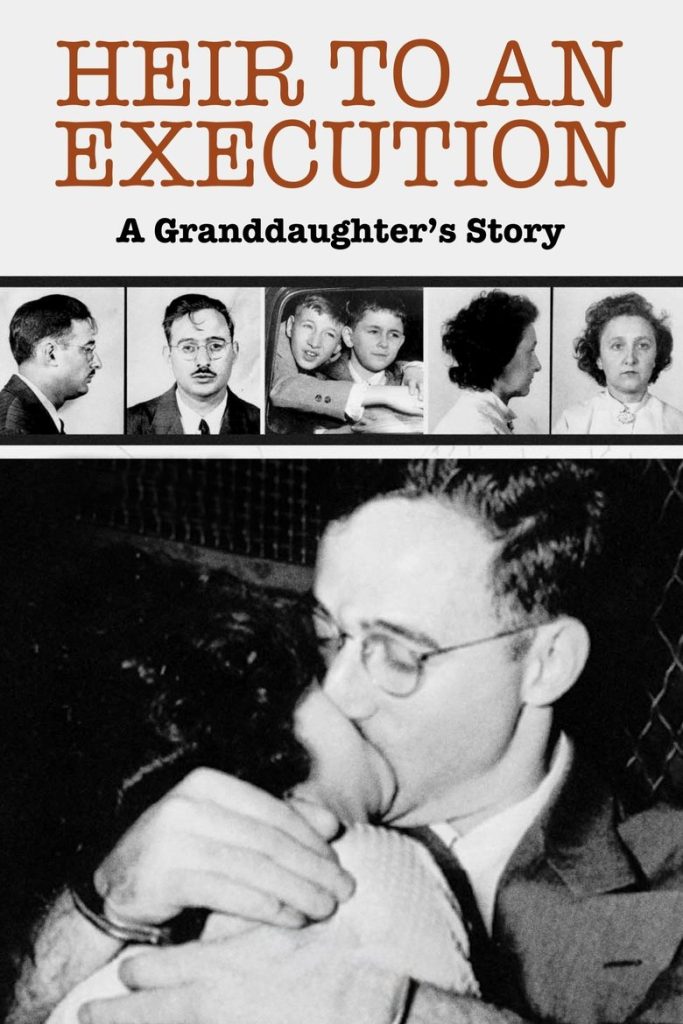
Story overview
This documentary explores the controversial 1953 execution of Julius and Ethel Rosenberg for espionage, focusing on their orphaned children and the filmmaker's investigation into their grandparents' case. Through interviews and declassified documents, it examines questions of guilt, innocence, and the political climate of the Cold War era.
Parent Guide
A thoughtful documentary exploring complex historical events through a personal family perspective. Suitable for mature middle schoolers and teenagers who can handle discussions of political persecution, execution, and family trauma.
Content breakdown
No visual violence shown, but extensive discussion of the Rosenbergs' execution by electric chair and the emotional impact on their children. Historical context includes Cold War tensions and fears of nuclear war.
Themes of parental loss, orphaned children, and state execution may be emotionally disturbing. Discussions of political persecution and betrayal could be unsettling for sensitive viewers. The documentary includes archival footage and photos from the period.
No offensive language noted. Standard documentary narration and interview dialogue.
No sexual content or nudity present.
No depiction or discussion of substance use.
High emotional content regarding family separation, loss, and the search for truth. The personal nature of the filmmaker's investigation adds emotional weight. Discussions of guilt, innocence, and historical injustice may provoke strong feelings.
Parent tips
This documentary deals with mature historical themes including espionage, execution, and political persecution. The content may be emotionally challenging for younger viewers due to discussions of orphaned children and state-sanctioned death. Best suited for middle schoolers and up who can process complex historical events and moral questions. Consider watching together to provide context about the Cold War period and discuss the ethical dilemmas presented.
Parent chat guide
Parent follow-up questions
—
—
- What do you think it would feel like to have your parents taken away?
- Why do you think the filmmaker wanted to learn more about her grandparents?
- What does 'espionage' mean?
- How does this documentary challenge or confirm what you've learned about the Cold War?
- What ethical questions does the Rosenberg case raise about justice and punishment?
- How does the filmmaker's personal connection to the story affect how she presents the information?
- What contemporary parallels can you draw to this historical case?
🎭 Story Kernel
The film is not a forensic re-examination of the 1953 execution of Julius and Ethel Rosenberg for espionage. Instead, it expresses the profound, generational weight of a traumatic legacy. It's driven by the filmmaker's personal quest—Ivy Meeropol, the Rosenbergs' granddaughter—to understand who her grandparents were as people, not political symbols. The core theme is the collision between public history and private grief, exploring how political martyrdom obliterates personal identity and how that void is inherited by descendants who must piece together a family from the fragments left behind.
🎬 Visual Aesthetics
The visual language is intimate and archival, eschewing dramatic reenactments for the tactile reality of home movies, photographs, and documents. The camera often lingers in close-up on faces—especially Ivy's and her father's—capturing the raw, unspoken emotion of confronting this history. The color palette is muted, dominated by the grays and browns of old film stock and prison records, making the rare glimpses of color in family snapshots feel painfully vibrant. This aesthetic underscores the film's central tension: the cold, official record versus the warm, fractured memories of a family.
🔍 Details & Easter Eggs
💡 Behind the Scenes
The director, Ivy Meeropol, is the biological granddaughter of Julius and Ethel Rosenberg, making this a deeply personal film. Her father, Michael Meeropol (born Michael Rosenberg), and uncle, Robert Meeropol, were adopted after the execution. The film features unprecedented access to family members and close associates. Notably, it includes one of the last interviews with Morton Sobell, the co-defendant who served 18 years in prison and whose complex, shifting testimony about the case adds a crucial layer of ambiguity.
Where to watch
Choose region:
- HBO Max
- HBO Max Amazon Channel
- Amazon Video
- Apple TV Store
- Google Play Movies
- YouTube