
Heroin: Cape Cod, USA (2015)
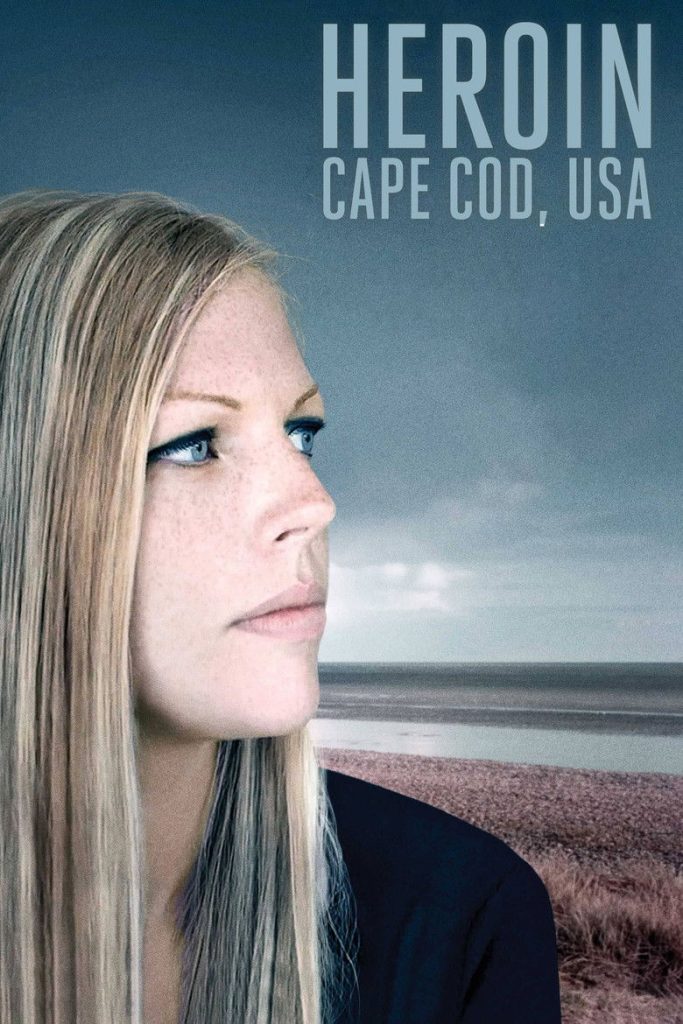
Story overview
This documentary provides a raw, unflinching examination of the heroin crisis affecting small-town America, specifically following eight young adults struggling with addiction in Cape Cod, Massachusetts. It offers a sobering look at the personal and societal impacts of opioid dependency without sensationalism.
Parent Guide
This TV-MA documentary presents a serious, educational look at the heroin epidemic with graphic real-life content. It's appropriate only for mature audiences due to intense substance use depictions and emotional themes.
Content breakdown
No physical violence, but includes perilous situations related to drug use such as overdose scenes, risky behaviors, and discussions of death from addiction.
Disturbing real footage of intravenous drug use, people in active addiction, withdrawal symptoms, and frank discussions about overdose deaths. The documentary's unvarnished approach can be emotionally heavy.
Some strong language including profanity related to frustration and despair, consistent with the documentary's realistic portrayal.
No sexual content or nudity, though there may be brief non-sexual partial nudity in medical or addiction treatment contexts.
Extensive, graphic depiction of heroin preparation and injection, drug paraphernalia, people under the influence, and discussions of various substances. This is the primary focus of the documentary.
High emotional intensity due to personal stories of addiction, family struggles, health consequences, and the documentary's sobering examination of a public health crisis.
Parent tips
This film contains intense real-world depictions of drug use and addiction. It's best suited for mature teens and adults. If watching with older teens, be prepared to discuss the serious consequences of substance abuse, mental health, and recovery resources. Consider previewing the content yourself first.
Parent chat guide
Parent follow-up questions
—
—
—
- What did you learn about how heroin affects people's lives?
- Why do you think these young people turned to drugs?
- How can communities better support people struggling with addiction?
- What are some healthy ways to cope with stress or pain instead of using substances?
- What resources are available for someone who needs help with addiction?
🎭 Story Kernel
The film expresses the terrifying normalcy of opioid addiction in suburban America, showing how it infiltrates seemingly stable communities. The characters are driven not by dramatic criminality, but by the mundane desperation to avoid withdrawal—a biological imperative that overrides all social bonds, education, and privilege. Through their stories, the documentary reveals addiction as an equal-opportunity destroyer that doesn't discriminate by class or background, turning Cape Cod's picturesque setting into an ironic stage for this epidemic. The real horror lies in how ordinary their lives appear until the needle appears.
🎬 Visual Aesthetics
The cinematography employs a stark contrast between Cape Cod's postcard-perfect scenery and the grim interior spaces where addiction plays out. Handheld cameras create an intimate, almost invasive proximity to subjects during injection scenes, while static shots of empty beaches and wealthy neighborhoods underscore the community's denial. The color palette shifts from vibrant coastal blues and greens in establishing shots to muted, sickly yellows and grays in shooting galleries and bedrooms. This visual dichotomy highlights the epidemic's invisibility within affluent communities.
🔍 Details & Easter Eggs
💡 Behind the Scenes
Director Steven Okazaki filmed over three years, gaining extraordinary access to subjects during active addiction. Several participants overdosed during production, with one dying before filming completed. The documentary's raw intimacy resulted from Okazaki's vérité approach—he often filmed alone with minimal crew to reduce subjects' self-consciousness. Local police and medical personnel became unofficial collaborators, alerting the crew to overdose scenes. The film's controversial reception in Cape Cod communities led to heated town hall meetings about representation versus reality.
Where to watch
Choose region:
- HBO Max
- HBO Max Amazon Channel
- Amazon Video
- Apple TV Store
- Google Play Movies
- YouTube
- Fandango At Home
Trailer
Trailer playback is unavailable in your region.