
Hillbilly Elegy (2020)
Story overview
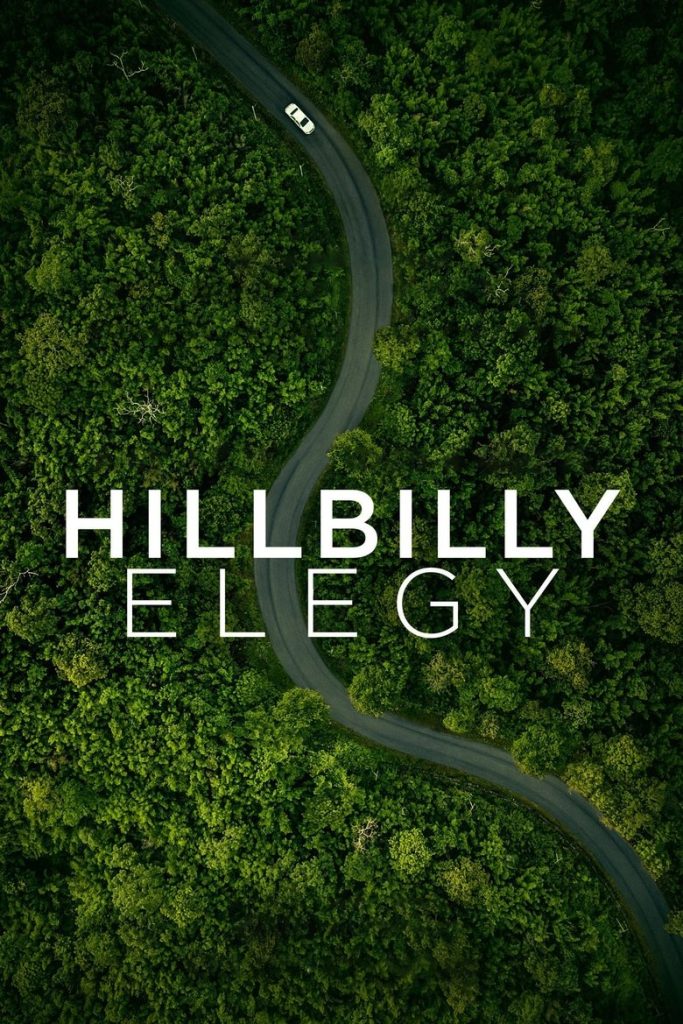
Hillbilly Elegy is a 2020 drama directed by Ron Howard, based on J.D. Vance's memoir. It follows J.D., a Yale Law student, who returns to his Ohio hometown after an urgent family crisis. The film interweaves his present-day struggles with flashbacks to his childhood, exploring three generations of Appalachian family history, poverty, addiction, and resilience. Through tense family dynamics and personal reflection, J.D. grapples with his roots while striving for a better future. The story highlights themes of family loyalty, socioeconomic challenges, and self-discovery, with strong performances by Amy Adams and Glenn Close.
Parent Guide
This intense family drama contains strong language, substance abuse themes, and emotionally charged scenes. Not suitable for children under 15 without parental guidance.
Content breakdown
Verbal arguments escalate to shouting and physical tension. One scene shows a character threatening with a knife during an argument. Medical emergencies and hospital scenes create peril. Domestic disputes are intense but not graphically violent.
Emotionally disturbing scenes of family conflict, addiction relapses, and childhood trauma. Characters scream and cry during intense arguments. Hospital scenes with medical crises. Flashbacks to a difficult childhood with parental neglect.
Frequent strong language including f-words, s-words, and other profanity. Crude terms and insults used during arguments. Language reflects the characters' frustration and socioeconomic background.
Brief kissing and romantic moments. Some suggestive dialogue. No nudity or explicit sexual scenes. Focus is on emotional relationships rather than physical intimacy.
Frequent depiction of alcohol abuse and prescription drug addiction. Characters shown drinking excessively, taking pills, and dealing with addiction consequences. Drug use is portrayed negatively with serious family impacts.
High emotional intensity throughout. Characters experience anger, grief, frustration, and trauma. Family conflicts are raw and emotionally draining. Themes of poverty, addiction, and intergenerational trauma create sustained tension.
Parent tips
This R-rated drama deals with mature themes unsuitable for young children. Best for teens 15+ with parental guidance. Discuss family dynamics, addiction's impact, and socioeconomic issues afterward. Note intense emotional scenes and strong language.
Parent chat guide
Parent follow-up questions
—
—
- What did you think about how the family helped each other?
- How did J.D.'s childhood experiences shape who he became?
- How does the film portray the cycle of poverty and addiction?
- What does J.D.'s journey say about overcoming personal challenges?
- How do cultural stereotypes about Appalachians affect the characters?
- What role does education play in J.D.'s transformation?
🎭 Story Kernel
The film's core isn't about escaping poverty but about confronting the emotional inheritance of addiction and trauma. J.D. Vance's journey to Yale Law School serves as a framing device for the real story: how cycles of abuse and substance dependency pass through generations like genetic code. Every character is driven by the ghosts of their upbringing—Bev's addiction stems from her own mother's neglect, Mamaw's tough love masks her own survival guilt, and J.D.'s success is fueled by both escaping and replicating family patterns. The movie argues that upward mobility requires not just education but emotional excavation.
🎬 Visual Aesthetics
Director Ron Howard uses a desaturated, gritty palette for Appalachian flashbacks, contrasting sharply with the crisp, cold blues of Yale's privileged spaces. Handheld camerawork during domestic conflicts creates visceral intimacy, while static shots of decaying houses mirror emotional stagnation. Key symbolism appears in the recurring image of Mamaw's porch—both a sanctuary and a prison. The film's most powerful visual motif is the physicality of addiction: Bev's trembling hands, the clutter of her home, the way the camera lingers on pill bottles and empty glasses as characters in themselves.
🔍 Details & Easter Eggs
💡 Behind the Scenes
Glenn Close spent weeks in Kentucky researching her role as Mamaw, adopting the specific Appalachian dialect of Jackson, Kentucky where much was filmed. Amy Adams based Bev's physicality on observations of opioid addiction survivors, particularly the subtle hand tremors. The production used real locations in Middletown, Ohio—the actual setting of Vance's childhood—including the decaying house that represents generational decline. Ron Howard shot the Yale scenes at actual Ivy League campuses to capture the stark contrast with Appalachian environments.
Where to watch
Choose region:
- Netflix
- Netflix Standard with Ads
Trailer
Trailer playback is unavailable in your region.