
Holy Spider (2022)
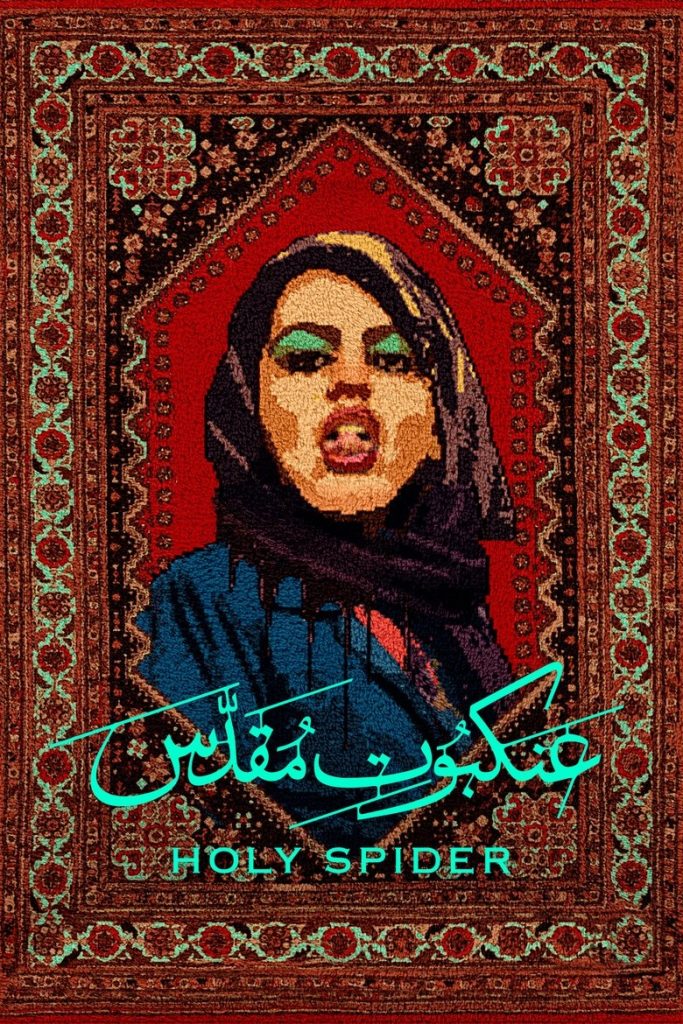
Story overview
Holy Spider is a 2022 thriller-drama based on true events in Iran. It follows a journalist investigating a serial killer targeting sex workers, exploring themes of justice, morality, and societal tensions. The film blends crime procedural elements with social commentary in a tense narrative.
Parent Guide
Mature thriller with intense themes suitable only for older teens and adults.
Content breakdown
Contains scenes of violence including murders and peril related to serial killer investigations.
Themes of serial killings and crime scenes may be disturbing. Psychological tension throughout.
May include strong language consistent with crime thriller genre.
Contains sexual content and nudity related to the film's themes and setting.
May include depictions of smoking or social drinking in background scenes.
High emotional intensity due to crime investigation themes and moral dilemmas.
Parent tips
This film contains mature themes including violence, sexual content, and disturbing situations related to serial killings. It is not suitable for children or young teens due to its intense subject matter and graphic scenes. Parents should watch first to determine appropriateness for older teenagers based on individual maturity levels.
Parent chat guide
Parent follow-up questions
- What was your favorite part of the movie?
- Did any parts make you feel scared or worried?
- What did you learn from the characters in the story?
- How did the music make you feel during different scenes?
- Would you want to watch this movie again? Why or why not?
- What was the main problem the characters were trying to solve?
- How did the movie make you feel about helping others?
- What would you do if you saw someone being treated unfairly?
- Which character did you relate to most and why?
- What message do you think the movie was trying to share?
- How does the film show different perspectives on justice?
- What responsibilities do journalists have when reporting difficult stories?
- How does the setting affect the story being told?
- What ethical questions does the movie raise about crime and punishment?
- How do the characters' motivations drive the plot forward?
- How does the film handle the tension between individual morality and societal norms?
- What commentary does the movie make about systems of power and justice?
- How does the based-on-true-events aspect affect your viewing experience?
- What techniques does the film use to create tension and emotional impact?
- How does the film explore themes of truth, justice, and redemption?
🎭 Story Kernel
At its core, 'Holy Spider' is less about a serial killer targeting sex workers and more about the societal complicity that enables him. The film's true horror lies in how Saeed Hanaei is celebrated as a 'holy' vigilante by many in Mashhad, revealing a deep-seated misogyny and religious hypocrisy. Journalist Rahimi's investigation becomes a battle not just against a killer, but against an entire system that views his victims as disposable. The film explores how extremism festers when morality becomes weaponized, asking whether society creates its own monsters by refusing to see certain lives as valuable.
🎬 Visual Aesthetics
Director Ali Abbasi employs a gritty, documentary-like realism with handheld camerawork that places viewers uncomfortably close to the violence. The color palette is dominated by muted browns and yellows, reflecting Mashhad's dusty urban landscape and the moral decay at the story's heart. Key scenes use tight framing to create claustrophobia, particularly during Rahimi's investigation sequences. The contrast between intimate domestic scenes and brutal murders highlights the duality of Saeed's existence—family man by day, killer by night. Visual symbolism emerges through religious iconography that's always present but never sanctimonious.
🔍 Details & Easter Eggs
💡 Behind the Scenes
Based on real 2000-2001 murders in Mashhad, Iran, the film faced significant production challenges. Lead actress Zar Amir Ebrahimi won Best Actress at Cannes for her role as journalist Rahimi, a remarkable achievement given she replaced another actress just weeks before shooting. Director Ali Abbasi shot the film in Jordan rather than Iran due to political sensitivities. Actor Mehdi Bajestani, who plays Saeed, reportedly isolated himself from the cast to better inhabit the killer's mindset. The film's controversial subject matter made it impossible to screen in Iran despite being about Iranian events.
Where to watch
Choose region:
- Netflix
- Netflix Standard with Ads
- Amazon Video
- Apple TV
- Fandango At Home
Trailer
Trailer playback is unavailable in your region.