
Homegrown: The Counter-Terror Dilemma (2016)
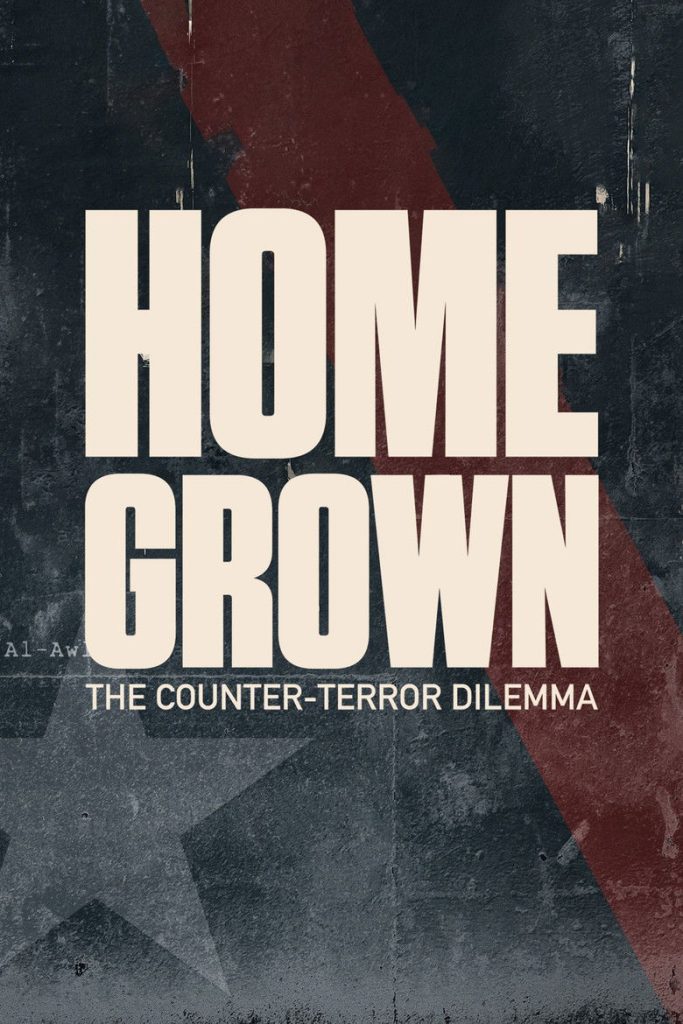
Story overview
This documentary provides an insider's perspective on the development of America's counter-terrorism system, featuring interviews with both those who helped build it and individuals who have been targeted by it. The film explores complex ethical and strategic dilemmas in national security without graphic violence, focusing on policy discussions and personal accounts.
Parent Guide
A thoughtful documentary about counter-terrorism policies featuring interviews and historical analysis. While not graphically violent, it deals with mature themes of terrorism, surveillance, and national security that require contextual understanding.
Content breakdown
Discussions of terrorism and violence, but no graphic depictions. Some references to historical terrorist attacks and security threats.
Themes of terrorism, surveillance, and national security threats may be disturbing or confusing for younger viewers. Discussions of violence and security measures without visual depictions.
Standard documentary language. No strong profanity expected given the formal subject matter.
No sexual content or nudity present.
No depiction or discussion of substance use.
Serious discussions about national security, terrorism, and ethical dilemmas. May provoke anxiety or concern about safety issues. Personal accounts from affected individuals add emotional weight.
Parent tips
This documentary deals with mature themes of terrorism, surveillance, and national security that may be confusing or concerning for younger viewers. It's best suited for older children and teenagers who can understand historical context and abstract concepts. Watch together to provide context and discuss the ethical questions raised.
Parent chat guide
Parent follow-up questions
—
- What do you think 'keeping people safe' means?
- Why do you think people might disagree about how to protect a country?
- What are some ways countries try to prevent bad things from happening?
- How do you think people should balance safety with personal freedom?
- Why might different people have different opinions about security measures?
- What ethical dilemmas do you see in the counter-terrorism approaches discussed?
- How should societies balance security needs with civil liberties?
- What historical context helps explain current counter-terrorism policies?
- How do different perspectives shape our understanding of national security?
🎭 Story Kernel
The film's core tension lies in the ethical paradox of fighting terrorism while potentially creating more terrorists through surveillance, profiling, and community alienation. It follows former FBI agents, community leaders, and reformed extremists who reveal how well-intentioned security measures can backfire, radicalizing vulnerable individuals through isolation and suspicion. The narrative drives home that counter-terrorism isn't just about catching bad guys—it's about navigating a moral minefield where every action has unintended consequences, questioning whether security comes at the cost of civil liberties and social cohesion.
🎬 Visual Aesthetics
The documentary employs a stark, vérité style with handheld camera work that creates intimacy and urgency, contrasting surveillance footage's cold, detached gaze. A muted color palette of grays and blues dominates, reflecting the bureaucratic, shadowy world of intelligence operations. Interviews are framed tightly, emphasizing the weight of confessions and revelations, while archival news clips and security camera feeds are interspersed to ground the narrative in reality. The visual rhythm alternates between tense, fast-cut sequences during discussions of operations and slower, contemplative shots when exploring personal stories, mirroring the film's thematic balance between action and reflection.
🔍 Details & Easter Eggs
💡 Behind the Scenes
The documentary features rare interviews with former FBI agents who had never spoken publicly before, secured after years of trust-building by the filmmakers. It was shot on location in cities like Minneapolis and Dearborn, known for their significant Muslim populations, to authentically capture community perspectives. Director Greg Barker, known for his work on 'Manhunt: The Search for Bin Laden,' drew from declassified documents and personal testimonies, with some scenes recreated based on eyewitness accounts to maintain narrative clarity without compromising factual integrity.
Where to watch
Choose region:
- HBO Max
- HBO Max Amazon Channel
- Amazon Video
- Apple TV Store
- Google Play Movies
- YouTube
- Fandango At Home