
How to Rob a Bank (2024)
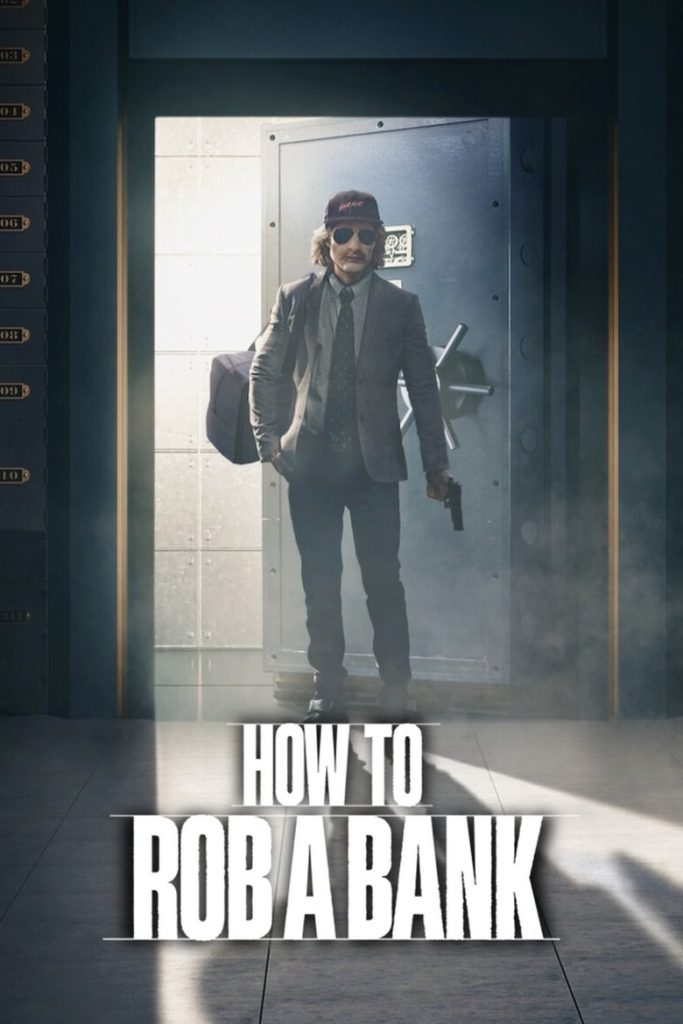
Story overview
This 2024 true-crime documentary examines a real-life series of bank robberies in 1990s Seattle, focusing on a charismatic individual who executed these crimes with cinematic flair. The film explores the motivations, methods, and consequences of these events through interviews, archival footage, and expert analysis, presenting a factual account of criminal activities without glorifying them.
Parent Guide
This documentary presents factual information about real bank robberies with educational intent. While it doesn't glorify crime, it discusses criminal activities in detail. Best suited for mature teenagers who can understand the context and consequences.
Content breakdown
Discussions of criminal activities including bank robbery, potential mentions of weapons or threats, but likely no graphic violent footage given the documentary format. May include tense situations or descriptions of crimes.
The subject matter involves crime and its consequences, which some younger viewers might find unsettling. No horror elements, but the reality of criminal behavior could be disturbing to sensitive viewers.
May include strong language typical of true-crime documentaries discussing criminal activities. Could contain expletives in interviews or archival materials.
No sexual content or nudity expected in this crime documentary.
Possible mentions of substance use if relevant to the criminal case, but not a focus of the documentary.
Deals with serious real-world crime and its impacts. May create tension through reenactments or dramatic storytelling about criminal activities and law enforcement responses.
Parent tips
This documentary deals with real criminal activities and may include discussions of illegal behavior, law enforcement procedures, and consequences of crime. Parents should be prepared to discuss why bank robbery is wrong and the real-world impacts of such actions. The TV-MA rating suggests content may be unsuitable for younger children.
Parent chat guide
Parent follow-up questions
- What do police officers do to help people?
- Why is it important to follow rules?
- What are some ways people can solve problems without breaking laws?
- How do documentaries help us learn about real events?
- What factors might lead someone to commit crimes like bank robbery?
- How does media portrayal of crime differ from reality?
- What societal factors contribute to criminal behavior?
- How should we balance understanding criminal motivations with condemning illegal actions?
🎭 Story Kernel
The film explores the duality of Scott Scurlock, a charismatic figure who rejected the 9-to-5 grind for a life of high-stakes crime. It isn't just a true-crime procedural; it’s an examination of the American Dream gone rogue. By focusing on Scurlock’s 'Hollywood' persona, the documentary delves into the psychological need for escapism and the thrill of outsmarting a system. It captures the transition from the counter-culture idealism of the 1990s to the harsh reality of law enforcement's evolving technology. The narrative highlights how Scurlock’s Robin Hood-esque charm masked a deeper, more dangerous obsession with risk. Ultimately, the movie expresses the tragedy of a brilliant mind wasted on a pursuit that, by its very nature, could only end in a violent, inevitable conclusion, questioning what we value more: security or the illusion of absolute freedom.
🎬 Visual Aesthetics
Morse and Porges employ a vibrant, kinetic visual style that mirrors the frantic energy of a heist. The documentary blends traditional talking-head interviews with stylized re-enactments that avoid the typical 'cheap' look of the genre. Instead, these sequences feel cinematic, utilizing a color palette that evokes 1990s Seattle—gritty yet neon-tinged. A standout feature is the use of high-quality animation to fill in the gaps where archival footage is unavailable, providing a storyboard-like feel that emphasizes the meticulous planning of the robberies. The cinematography often focuses on the 'masks'—the literal Hollywood-grade prosthetics Scurlock wore—serving as a visual metaphor for the layers of identity he maintained. The editing is sharp, using split-screens and fast-paced montages to keep the viewer in a state of perpetual tension, effectively recreating the 'rush' that Scurlock himself lived for.
🔍 Details & Easter Eggs
💡 Behind the Scenes
Directors Stephen Robert Morse and Seth Porges previously collaborated on the successful documentary The Speed Cubers, bringing a similar focus on niche subcultures and obsessive personalities to this project. The film features extensive interviews with Scurlock’s actual accomplices and the law enforcement officers who spent years tracking him, providing a rare 360-degree view of the case. Interestingly, the production had to navigate the challenge of Scurlock’s lack of personal video footage, leading to the creative decision to use animation. The documentary also sheds light on the Pacific Northwest’s unique criminal history during the 1990s.
Where to watch
Choose region:
- Netflix
- Netflix Standard with Ads
Trailer
Trailer playback is unavailable in your region.