
How to Swim (1942)
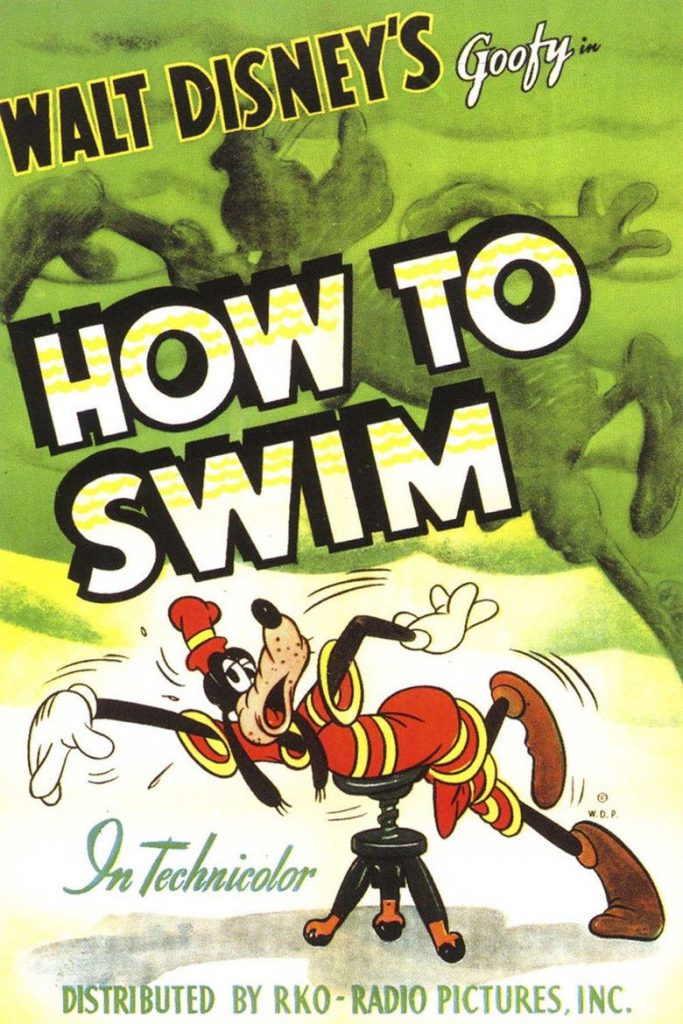
Story overview
This 1942 animated short features Goofy attempting to teach swimming lessons at the beach. His well-intentioned plans quickly spiral into comedic chaos as his instructional methods prove hilariously ineffective. The film showcases classic slapstick humor through exaggerated physical comedy and misunderstandings. At just 8 minutes long, it delivers lighthearted entertainment focused on aquatic mishaps and beachside antics.
Parent Guide
A lighthearted animated short featuring classic slapstick humor and beachside mishaps suitable for most children.
Content breakdown
Contains cartoon-style physical comedy with exaggerated falls and aquatic mishaps, all portrayed humorously without real danger.
No frightening or disturbing content; all situations are comedic and non-threatening.
No inappropriate language; dialogue is minimal and family-friendly.
No sexual content or nudity; characters wear typical beach attire appropriate for the era.
No depiction of alcohol, drugs, or tobacco use.
Low emotional intensity with consistent comedic tone; brief moments of frustration are played for laughs.
Parent tips
This short film contains classic cartoon slapstick humor that may be entertaining for children, but parents should be aware of the exaggerated physical comedy. The swimming mishaps and beach scenes are portrayed in a lighthearted, non-threatening manner typical of animation from this era. The brief runtime makes it suitable for short viewing sessions, and the Approved certification indicates it was deemed appropriate for general audiences at the time of release.
Parent chat guide
Parent follow-up questions
- What was your favorite funny part?
- Have you ever been to a beach or pool?
- What do you think Goofy should have done differently?
- What makes swimming fun?
- How do you stay safe in the water?
- Why do you think the swimming lessons didn't go as planned?
- What safety rules should people follow at the beach?
- How does exaggeration make cartoons funnier?
- What would you teach someone about swimming?
- How is cartoon comedy different from real life?
- What techniques did the animators use to create physical comedy?
- How does this 1942 animation style compare to modern cartoons?
- What messages about preparation and instruction might this film contain?
- Why is slapstick humor effective in short films?
- How does comedy help us learn about safety indirectly?
- How does this film reflect entertainment values of the 1940s?
- What commentary might be present about instructional methods versus practical experience?
- How does physical comedy transcend language barriers in animation?
- What historical context might influence how we view this film today?
- How do short films effectively deliver humor within time constraints?
🎭 Story Kernel
At its core, 'How to Swim' explores the human desire for connection through the lens of physical inability. The protagonist's struggle to learn swimming isn't about mastering a skill but about overcoming emotional barriers that keep him isolated. The film suggests that sometimes we need to confront what we fear most—in this case, water—to truly connect with others and ourselves. The driving force isn't ambition or survival, but the quiet desperation of loneliness that pushes someone toward vulnerability.
🎬 Visual Aesthetics
The film employs a muted blue-gray palette that makes every scene feel submerged, even when characters are on dry land. Shaky handheld camerawork during swimming scenes creates visceral discomfort, while static shots during conversations emphasize emotional distance. Water isn't just a setting but a visual metaphor—its reflective surfaces show characters seeing themselves differently, its opacity hides truths, and its movement mirrors emotional currents.
🔍 Details & Easter Eggs
💡 Behind the Scenes
The lead actor actually learned to swim during production, with early scenes showing genuine beginner struggles and later scenes capturing real proficiency. All pool scenes were filmed at a 1920s community center that required special preservation permits. The director insisted on natural lighting for aquatic sequences, resulting in only 90 minutes of daily filming when sunlight hit the water at specific angles.
Where to watch
Choose region:
- Disney Plus