
Hunger (2023)
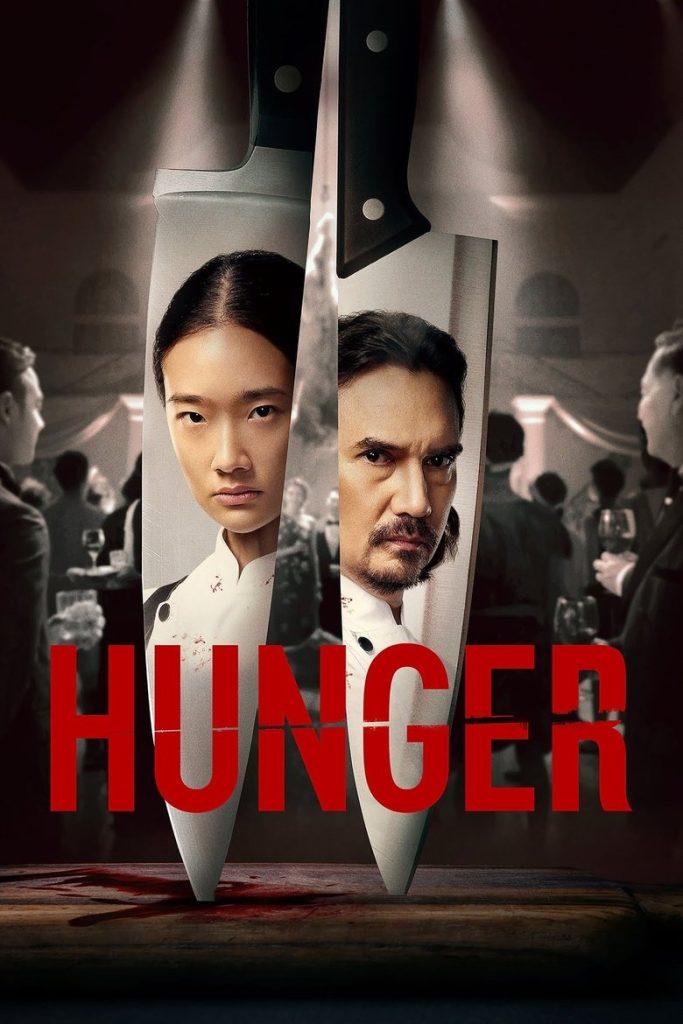
Story overview
Hunger is a 2023 drama film rated TV-MA, indicating content suitable for mature audiences. The movie likely explores intense themes or situations given its certification. As a drama, it may focus on character development and emotional storytelling. Parents should note the TV-MA rating suggests content may not be appropriate for younger viewers.
Parent Guide
This TV-MA rated drama requires parental guidance due to likely mature content. The certification indicates material may be unsuitable for viewers under 17.
Content breakdown
TV-MA rating suggests possible intense situations, though specific details unavailable.
Dramas can contain emotionally intense scenes that may be disturbing to some viewers.
TV-MA rating may indicate strong language is present.
TV-MA certification suggests possible mature sexual content.
Possible depictions given the mature rating, though specifics unknown.
As a drama with TV-MA rating, likely contains emotionally charged scenes requiring maturity.
Parent tips
This film carries a TV-MA rating, which means it's intended for mature audiences and may contain material unsuitable for children under 17. Given the limited information available, parents should be particularly cautious as dramas can sometimes explore heavy themes that require emotional maturity to process. Consider previewing the film yourself or researching more details before deciding if it's appropriate for your family.
Parent chat guide
Parent follow-up questions
- What was your favorite part of the movie?
- How did the characters show they cared about each other?
- What did you learn about being kind from this story?
- Which character would you want to be friends with?
- What colors or sounds did you notice in the movie?
- What problem did the main character face in the story?
- How did the characters work through their difficulties?
- What would you have done differently if you were in the story?
- What emotions did you notice the characters feeling?
- What lesson do you think the movie was trying to teach?
- What motivated the main character's decisions throughout the film?
- How did relationships between characters change during the story?
- What real-world issues might this movie be commenting on?
- How did the film's mood or tone affect your viewing experience?
- What would you say is the central message of this drama?
- How effectively did the film explore its central themes?
- What cinematic techniques stood out to you and why?
- How did character development drive the narrative forward?
- What social or personal issues did the film address indirectly?
- How might different audiences interpret this film's message differently?
🎭 Story Kernel
"Hunger" is less about culinary art and more about the predatory nature of social mobility. It uses the kitchen as a microcosm for Thailand’s rigid class structure. Aoy’s journey from a humble noodle shop to Chef Paul’s elite "Hunger" team represents the Faustian bargain of the working class: to be "special," one must sacrifice their humanity and heritage. Chef Paul serves as a cynical gatekeeper who understands that the wealthy don't crave food; they crave the feeling of being superior to those who cannot have it. The film posits that "hunger" is an insatiable void—once you taste the top, the simple joy of a family meal becomes a distant, unrecoverable memory. It’s a biting critique of how capitalism turns basic needs into exclusive spectacles of power.
🎬 Visual Aesthetics
Sitisiri Mongkolsiri employs a dualistic visual palette to emphasize the class divide. The "Hunger" kitchen is rendered in clinical, cold blues and sharp metallics, resembling an operating theater more than a dining room. This contrasts sharply with the warm, chaotic, and steam-filled atmosphere of Aoy’s family shop. The cinematography frequently utilizes extreme close-ups of food being prepared with violent precision—slicing, searing, and bleeding—transforming the act of cooking into an act of aggression. Symbolism is heavy in the use of fire; it represents both the life-giving heat of the street wok and the destructive, soul-consuming furnace of Paul’s ambition. The final banquet scene uses dim, moody lighting to highlight the grotesque, animalistic nature of the elite diners as they feast, stripping away their refined veneers.
🔍 Details & Easter Eggs
💡 Behind the Scenes
Lead actress Chutimon Chuengcharoensukying, also known as Aokbab, underwent rigorous culinary training to perform her own cooking scenes, specifically mastering the art of "wok hei" and high-heat stir-frying to ensure authenticity. Director Sitisiri Mongkolsiri collaborated with professional Thai chefs to design the "Hunger" team's avant-garde dishes, ensuring they looked both high-end and slightly unsettling. The film marks a significant entry in the "food thriller" subgenre, often compared to "The Menu," but it distinguishes itself through its specific focus on Thai socio-economic dynamics and the cultural significance of street food versus fine dining.
Where to watch
Choose region:
- Netflix
- Netflix Standard with Ads
Trailer
Trailer playback is unavailable in your region.