
Hunter x Hunter: Phantom Rouge (2013)
Story overview
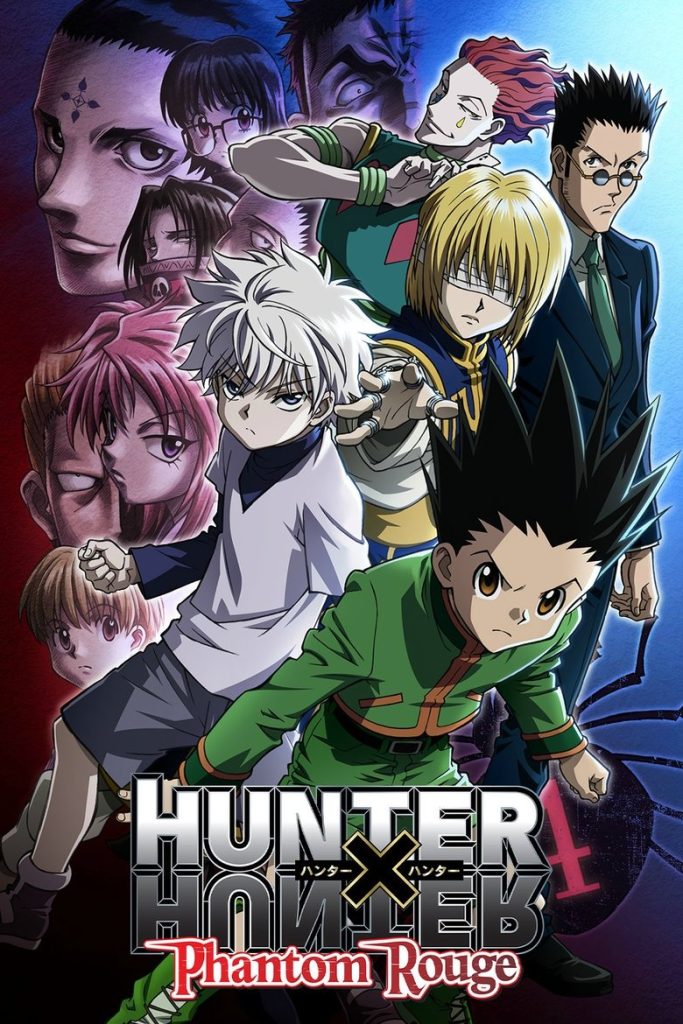
Hunter x Hunter: Phantom Rouge is an animated adventure film where the main character Kurapika has his eyes magically stolen by a mysterious child. His friends Gon, Leorio, and Killua vow to help recover his eyes while dealing with their own personal challenges. The story explores themes of friendship, loyalty, and confronting one's past as the characters embark on a quest to restore what was taken.
Parent Guide
An animated fantasy adventure with moderate action violence and themes about friendship and confronting one's past, best for mature children and teenagers.
Content breakdown
Fantasy action violence including magical attacks, perilous situations, and a central plot point involving magical theft of body parts. No graphic injuries shown.
The magical theft of eyes could be disturbing, and characters face dangerous situations. Themes of self-doubt and confronting difficult pasts may be emotionally intense.
Typical animated adventure dialogue with occasional intense exchanges. No strong profanity expected.
No sexual content or nudity present in this animated fantasy adventure.
No substance use depicted in the film.
Themes of friendship loyalty, self-worth, and confronting past mistakes create emotional moments. Characters face personal challenges and dangerous situations.
Parent tips
This animated fantasy film contains moderate action violence and peril that may be intense for younger viewers. The central plot involves a character having their eyes magically stolen, which could be disturbing for sensitive children. The story also deals with themes of friendship, self-worth, and confronting difficult pasts, which might prompt questions from older children.
Parents should note the TV-14 rating suggests the content may be inappropriate for children under 14. The film's runtime of 97 minutes requires sustained attention, and the fantasy violence, while animated, includes magical attacks and perilous situations. The emotional themes about friendship and self-doubt could resonate with pre-teens and teenagers exploring similar issues.
Parent chat guide
Focus conversations on the positive themes of friendship and perseverance while acknowledging the fantasy violence. Ask open-ended questions about how the characters showed courage and supported each other. For older children, you might discuss how the film portrays dealing with past mistakes and self-doubt in relationships.
Parent follow-up questions
- Did you like the characters in the movie?
- What was your favorite part?
- How did the friends help each other?
- Was anything scary or confusing?
- What colors did you see in the animation?
- How did the characters show they were good friends?
- What would you do if a friend needed help like in the movie?
- What made the adventure exciting?
- How did the characters solve problems?
- What did you learn about teamwork from the story?
- What does the movie show about loyalty between friends?
- How did the characters deal with difficult challenges?
- What messages did you take away about facing your past?
- How was the fantasy violence different from real violence?
- What made the characters brave in tough situations?
- How does the film explore themes of self-worth and friendship?
- What did you think about how the characters confronted their pasts?
- How does the fantasy setting affect how serious themes are presented?
- What did the story say about perseverance in difficult circumstances?
- How did the animation style influence your emotional response to the story?
🎭 Story Kernel
At its core, 'Phantom Rouge' explores the psychological scars of friendship and the burden of memory through Kurapika's quest. The film isn't about defeating a villain—it's about confronting the ghosts of the past that haunt the living. Hisakawa's manipulation of memories reveals how trauma can be weaponized, turning nostalgia into a trap. The characters are driven by loyalty and guilt, particularly Gon and Killua's determination to save their friend, which mirrors their own journey of growth. Yet the plot ultimately serves as a vehicle for emotional beats rather than narrative progression, focusing on the bonds that define the series' heart.
🎬 Visual Aesthetics
The animation embraces a darker, more cinematic palette compared to the TV series, with deep reds and shadows dominating Kurapika's scenes to emphasize his inner turmoil. Action sequences are fluid but occasionally rely on familiar choreography, lacking the strategic depth of Yoshihiro Togashi's original fights. Visual symbolism is straightforward—the red of the Phantom Troupe and Kurapika's eyes represents both vengeance and loss. The camera lingers on character expressions during emotional moments, creating intimacy, though some shots feel recycled from earlier arcs. The film's aesthetic prioritizes mood over innovation, mirroring its narrative approach.
🔍 Details & Easter Eggs
💡 Behind the Scenes
The film was released in 2013 to celebrate the Hunter x Hunter anime's revival, with original creator Yoshihiro Togashi providing character designs and oversight. Voice actors reprised their roles from the 2011 series, ensuring continuity. Production involved Madhouse, the studio behind the TV adaptation, though some animators were new to the project. The soundtrack incorporates motifs from the series while introducing darker, more orchestral pieces to match the film's tone. Notably, the plot is anime-original, not based on Togashi's manga, which explains its standalone nature and focus on fan-favorite characters.
Where to watch
Choose region:
- Netflix
- Netflix Standard with Ads
- Apple TV
- Fandango At Home
- Amazon Video
- Google Play Movies
- YouTube
Trailer
Trailer playback is unavailable in your region.