
I Am All Girls (2021)
Story overview
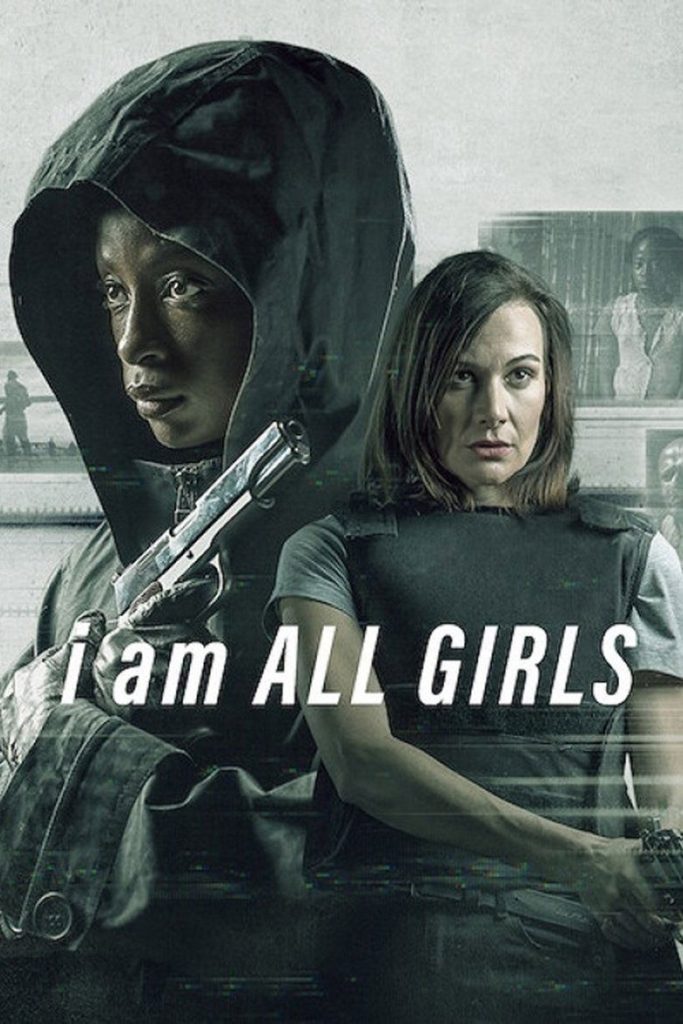
This South African crime thriller follows a special investigator who forms an unexpected alliance with a serial killer to dismantle a global child sex trafficking network. The film explores dark themes of justice, trauma, and moral ambiguity within a tense investigative framework.
Parent Guide
Extremely mature content dealing with child sex trafficking, violence, and disturbing themes. Only appropriate for adults and possibly mature older teens with parental guidance and discussion.
Content breakdown
Graphic violence including murders, assaults, and depictions of trafficking victims in peril. Scenes of physical violence and psychological torment.
Highly disturbing content involving child exploitation, kidnapping, and sexual violence themes. Intense psychological elements and traumatic situations.
Some strong language including profanity. Not excessive but present in tense situations.
Themes of sexual exploitation and trafficking, though not explicitly graphic. References to sexual violence and exploitation of minors.
Occasional social drinking shown. Not a central theme.
High emotional intensity throughout with themes of trauma, justice, and moral conflict. May be distressing for sensitive viewers.
Parent tips
This film contains intense themes of child sex trafficking, violence, and disturbing content. It's rated TV-MA for mature audiences only. Not suitable for children or young teens. Parents should watch first to assess appropriateness for older teens.
Parent chat guide
Parent follow-up questions
—
—
—
- What did you think about the investigator's decision to work with a killer? Was it justified?
- How did the film's portrayal of trafficking make you feel? What did you learn?
- What resources exist in our community to help victims of trafficking?
- How can we balance the desire for justice with following legal processes?
🎭 Story Kernel
At its core, 'I Am All Girls' is less about solving a crime and more about exploring the corrosive nature of systemic corruption and personal vengeance. The film posits that when institutions fail utterly, justice becomes a personal, bloody transaction. Detective Jodie Snyman is driven by a professional duty warped by personal loss, while the vigilante Ntokozo is propelled by a trauma so deep it has erased her former identity. Their convergence isn't about partnership, but about two damaged forces colliding in the same moral vacuum. The real tension isn't 'whodunit,' but whether any form of retribution can be clean or if it inevitably replicates the violence it seeks to end.
🎬 Visual Aesthetics
The film employs a stark, desaturated color palette, bathing scenes in cold blues and grim grays, visually mirroring the bleak, institutional failure at the story's heart. The camera work is often claustrophobic and handheld during tense sequences, making the viewer complicit in the unease. Action is brutal and efficient, devoid of stylized glamour, emphasizing the ugly, practical reality of violence. Symbolism is direct: the recurring imagery of masks—both literal balaclavas and the metaphorical masks of authority—underscores the theme of hidden identities and the duality of justice and vengeance.
🔍 Details & Easter Eggs
💡 Behind the Scenes
The film is a South African production, shot on location in and around Johannesburg, which lends an authentic, gritty texture to the urban and township landscapes. Actress Erica Wessels (Jodie) and actress Hlubi Mboya (Ntokozo) performed many of their own intense, physical scenes. Director Donovan Marsh aimed to craft a thriller that was specifically rooted in a South African context of complex socio-political history, moving away from generic international thriller templates. The film's title was a direct and powerful choice from the script stage, meant to immediately convey the collective nature of the trauma and vengeance.
Where to watch
Choose region:
- Netflix
- Netflix Standard with Ads
Trailer
Trailer playback is unavailable in your region.