
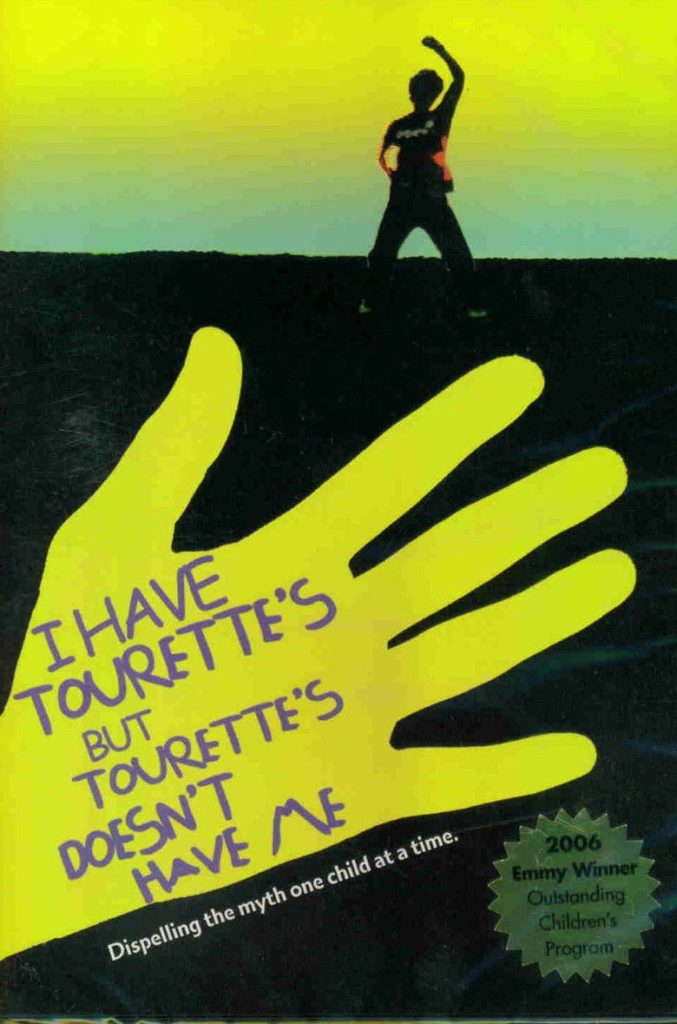
I Have Tourette’s But Tourette’s Doesn’t Have Me (2005)
Story overview
This HBO documentary provides an intimate look at the lives of American children aged 6-13 living with Tourette's syndrome, a hereditary neurological disorder characterized by involuntary vocal and motor tics. Through interviews with more than a dozen young individuals, the film explores the social stigma, daily challenges, and coping strategies associated with the condition, while highlighting their resilience and desire to be seen as normal.
Parent Guide
Educational documentary suitable for family viewing, focusing on empathy and understanding neurological differences. No concerning content, but may prompt questions about disabilities.
Content breakdown
No violence, danger, or peril depicted.
Some children discuss feeling sad or isolated due to bullying or misunderstanding; tics might startle very young viewers but are not graphic.
No offensive language; medical terms like 'syndrome' and 'neurological' are used.
No sexual content or nudity.
No substance use depicted.
Emotional moments as children share personal struggles, but overall tone is hopeful and informative.
Parent tips
Watch together to discuss neurological differences and empathy. Pause to explain medical terms like 'tics' and 'stigma.' Emphasize that Tourette's doesn't define these children's intelligence or character. Note the film's short runtime (27 minutes) suits younger attention spans.
Parent chat guide
Parent follow-up questions
- Can you point to a child in the movie who was smiling?
- Did you see anyone wiggling or making sounds? That's called a 'tic.'
- How do you think having Tourette's might make school harder?
- What are some ways the kids in the film deal with feeling embarrassed?
- Why do you think there's a 'stigma' around Tourette's mentioned in the film?
- How can friends support someone with a neurological condition?
- Discuss the film's title: What does it mean that 'Tourette's doesn't have me'?
- How might media representation of disorders like Tourette's impact public understanding?
🎭 Story Kernel
The film's core isn't about explaining Tourette Syndrome medically, but about documenting the lived experience of children navigating a world that often misunderstands them. It expresses the tension between their internal normalcy and external perception, driven by the children's desire to be seen as whole people rather than medical cases. Through their daily routines, friendships, and frustrations, the movie reveals how Tourette's becomes just one thread in the complex tapestry of their identities, challenging viewers to look beyond involuntary tics to recognize the complete individuals underneath.
🎬 Visual Aesthetics
The documentary employs intimate, observational cinematography that feels unobtrusive yet deeply personal. Camera work often stays at children's eye level, creating an immersive perspective that minimizes adult gaze. Natural lighting and handheld shots lend authenticity, while extended takes allow tics to become part of the visual rhythm rather than interruptions. There's a deliberate absence of dramatic music or stylized editing—the visual language prioritizes raw presence over manufactured emotion, making the children's experiences feel immediate and unvarnished.
🔍 Details & Easter Eggs
💡 Behind the Scenes
Produced by HBO, this documentary was part of their 'America Undercover' series and originally aired in 2005. Director Ellen Goosenberg Kent spent months building trust with families before filming, resulting in remarkably natural footage. Several participating children had never been filmed before, contributing to the documentary's authentic feel. The project emerged from collaboration with Tourette Syndrome Association (now Tourette Association of America), ensuring accurate representation while maintaining artistic integrity.
Where to watch
Choose region:
- HBO Max
- HBO Max Amazon Channel