
I Missed You (2021)
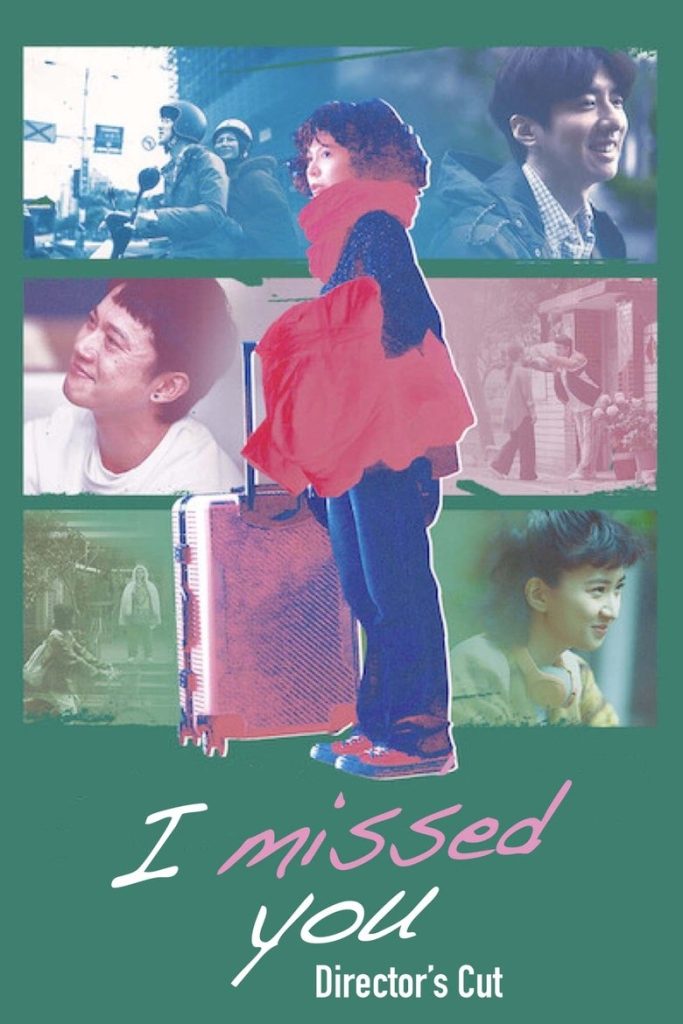
Story overview
A Taiwanese romantic drama about a woman whose monotonous, work-dominated life is unexpectedly disrupted when she encounters a carefree live-streamer who embraces spontaneity and joy. Their interaction sparks a transformative journey as she rediscovers passion and possibility beyond her routine.
Parent Guide
A gentle romantic drama suitable for family viewing with children approximately 10+, focusing on emotional growth and relationship dynamics without explicit content.
Content breakdown
No physical violence, threats, or perilous situations depicted.
Mild emotional tension related to life dissatisfaction and personal struggles, but nothing frightening or graphically disturbing.
No offensive language, profanity, or crude dialogue expected in this Taiwanese romance drama.
No sexual content, nudity, or suggestive situations. Focus is on emotional connection and personal growth.
No depiction of alcohol, drug use, or smoking based on available information.
Moderate emotional themes exploring work-life imbalance, personal transformation, and developing relationships. Some scenes may depict frustration or melancholy but resolve positively.
Parent tips
This film explores themes of personal growth, work-life balance, and emotional connection through a gentle romance. It contains no explicit content but may depict mild emotional tension or discussions about life dissatisfaction. Suitable for family viewing with older children who can understand relationship dynamics.
Parent chat guide
Parent follow-up questions
- What was your favorite part of the movie?
- How did the characters help each other?
- What makes you happy like the live-streamer?
- Why was the woman so busy with work?
- How did meeting the live-streamer change her life?
- What does it mean to have a 'paralyzed life'?
- What pressures might adults face in balancing work and personal life?
- How does social media/live-streaming affect how people connect?
- What qualities make a healthy friendship or relationship?
- How does the film comment on modern work culture and burnout?
- What role does vulnerability play in personal transformation?
- How do cultural expectations in Taiwan differ from other places regarding work and relationships?
🎭 Story Kernel
At its core, 'I Missed You' explores how grief becomes a tangible presence that reshapes reality. The protagonist's journey isn't about moving on, but about learning to coexist with loss. The film cleverly subverts traditional mourning narratives by suggesting that sometimes the most profound connection occurs in absence. What drives the characters isn't resolution, but the desperate need to maintain connection—even if that connection is with a ghost, a memory, or an empty space. The movie suggests that missing someone can become a form of presence, a way of keeping them alive through the architecture of our daily lives.
🎬 Visual Aesthetics
The film employs a muted color palette dominated by blues and grays, visually mirroring the protagonist's emotional state. Camera movements are deliberately slow and observational, often lingering on empty spaces where the lost character should be. The most striking visual choice is the use of negative space—characters are frequently framed off-center, with empty chairs or doorways occupying significant portions of the frame. This creates a constant visual reminder of absence. The lighting shifts subtly throughout, with warmer tones appearing only in flashbacks, creating a clear visual distinction between memory and present reality.
🔍 Details & Easter Eggs
💡 Behind the Scenes
The lead actor reportedly spent two weeks living alone in the actual filming location to authentically capture the feeling of isolation. Director Sarah Chen insisted on using practical lighting only, resulting in many scenes being shot during specific 'golden hour' windows. The empty chair motif was inspired by Chen's own experience after her father's passing. Interestingly, the film was shot in chronological order, which the director says helped the actors' emotional arcs develop naturally. The script went through 27 revisions over three years before filming began.
Where to watch
Choose region:
- Netflix
- Netflix Standard with Ads