
I Used to Be Funny (2024)
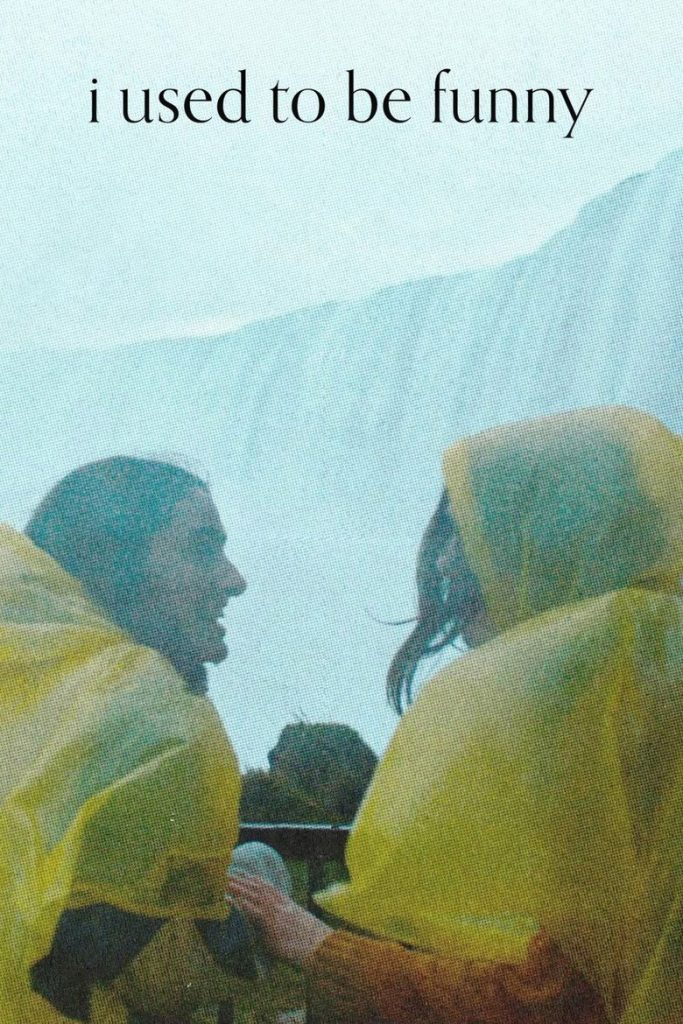
Story overview
I Used to Be Funny is a 2024 Canadian drama-comedy film directed by Ally Pankiw. The story follows Sam, a young stand-up comedian and former au pair who is grappling with PTSD. When Brooke, a girl she used to nanny, goes missing, Sam faces a difficult decision about whether to join the search, exploring themes of trauma, responsibility, and personal struggle through a blend of humor and serious drama.
Parent Guide
A thoughtful drama-comedy that handles serious themes with sensitivity while incorporating comedic elements. The film's exploration of PTSD and a missing child situation makes it most appropriate for mature viewers who can process complex emotional content.
Content breakdown
No physical violence shown, but there is thematic peril related to a missing child and psychological tension. Some scenes may create anxiety about the child's safety.
The premise of a missing child and depictions of PTSD symptoms (flashbacks, anxiety) could be disturbing. Some emotional scenes deal with trauma and uncertainty.
May include occasional mild profanity consistent with adult conversations and comedic dialogue. No strong or frequent harsh language expected.
No sexual content or nudity present. The focus is on emotional and psychological themes rather than romantic or sexual relationships.
Possible social drinking in adult settings, but not a focus of the film. No depiction of substance abuse or illegal drug use.
Significant emotional intensity around trauma, guilt, and the missing child situation. The blend of comedy and drama may create emotional whiplash for some viewers. PTSD portrayal is central and could be triggering for those with similar experiences.
Parent tips
This film deals with mature themes including PTSD, trauma, and a missing child, which may be emotionally intense for younger viewers. The comedic elements are balanced with serious drama, so parents should be prepared to discuss mental health and difficult situations. Best suited for teens and mature pre-teens with parental guidance.
Parent chat guide
Parent follow-up questions
—
- What did you think about Sam's job as a comedian?
- How did the characters help each other in the movie?
- Why do you think Sam struggled with whether to help find Brooke?
- How does the movie show what PTSD might feel like?
- What did you learn about how people deal with difficult memories?
- How does the film explore the intersection of trauma and humor?
- What commentary does the movie make about mental health in young adults?
- How does Sam's journey reflect real-world challenges of coping with PTSD?
- What responsibilities do we have toward people from our past who are in crisis?
🎭 Story Kernel
I Used to Be Funny is a poignant deconstruction of the sad clown trope, stripping away the performative layer to reveal the raw nerves of PTSD. It follows Sam Cowell, a stand-up comedian whose life is derailed by a traumatic event involving the family she once nannied. The film explores the paralyzing nature of recovery, where the very tools Sam used to navigate the world—wit and humor—are rendered inaccessible by her psyche's defensive shutdown. It’s a study of the ripple effects of assault, focusing not just on the act, but on the agonizingly slow process of regaining one's voice in a world that demands victims be either silent or inspiring. The narrative masterfully balances the search for a missing girl with Sam’s internal search for her lost self, illustrating that humor is often a luxury of the safe.
🎬 Visual Aesthetics
Ally Pankiw utilizes a distinct visual language to differentiate Sam’s fractured timeline. The flashbacks to her time as a nanny for Brooke are bathed in a warm, nostalgic glow, emphasizing a sense of belonging and purpose that feels increasingly alien. In contrast, the present-day sequences are characterized by a sterile, desaturated palette and claustrophobic framing, mirroring Sam’s emotional stagnation and withdrawal. The cinematography frequently lingers on Rachel Sennott’s face, capturing the minute flickers of anxiety and the exhausting effort of maintaining a facade. Symbolic use of mirrors and reflections highlights Sam’s fragmented identity, while the recurring motif of the comedy club stage—once a place of power, now a site of dread—visually anchors her journey from isolation back toward the spotlight of her own life.
🔍 Details & Easter Eggs
💡 Behind the Scenes
This film marks the feature directorial debut of Ally Pankiw, who is well-known for her work on Schitt’s Creek and directing the Joan Is Awful episode of Black Mirror. Rachel Sennott, who rose to fame in Shiva Baby and Bottoms, delivers a career-defining dramatic performance here, showcasing her range beyond high-energy comedy. The production was filmed primarily in Toronto, Canada. Pankiw, drawing from her own background in the comedy scene, aimed to create a realistic portrayal of the stand-up community that avoids the typical Hollywood clichés of the tortured genius comedian.
Where to watch
Choose region:
- Netflix
- Netflix Standard with Ads
- Amazon Video
- Apple TV Store
- Fandango At Home
Trailer
Trailer playback is unavailable in your region.